Peanut allergy treatment significantly lowered risk of life-threatening reactions in preschoolers
On Dec. 3, 2020, a new study by researchers at the University of British Columbia and BC Children’s Hospital was the first to demonstrate that exposing children to a small, regular dose of an allergen (in this case, peanuts) in a real-world setting (outside of a clinical trial) was effective in reducing the risk of allergic reactions.
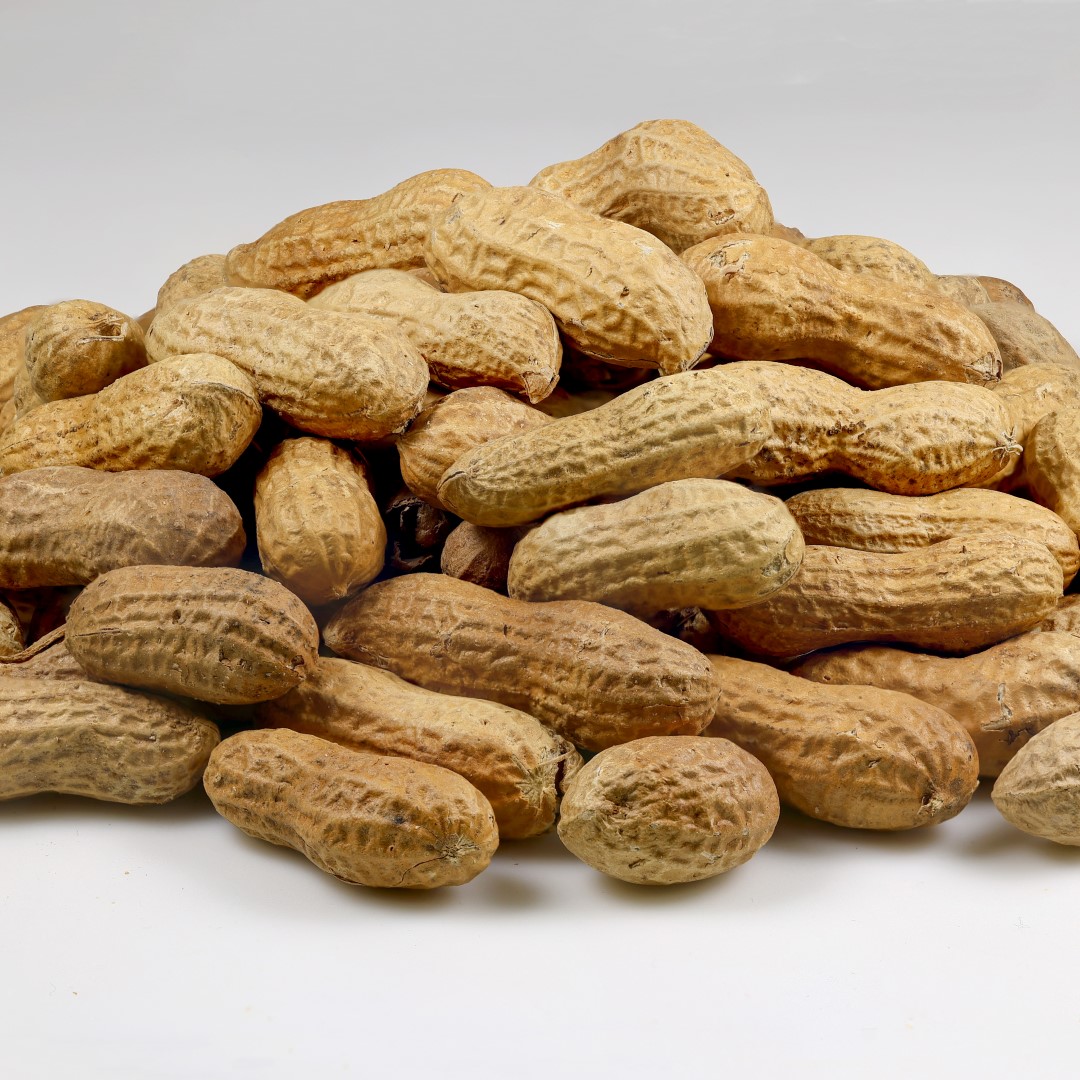
The treatment method, known as oral immunotherapy, involves gradually increasing the amount peanuts (or peanut products) given to the child. One treatment aim is to reach desensitization, whereby the child can ingest a full serving of peanuts without triggering a dangerous reaction. Another goal is protection in the event of an accidental exposure, and lessening or eliminating the need for epinephrine injections in response to reactions. To sustain their level of immunity, the child must continue to eat peanut products on a regular basis.
Over the course of this study, 117 preschool-age children—between the ages of 9 months and five years—with peanut allergies from across Canada received a daily maintenance dose of 300mg of peanut protein—equivalent to about one peanut or a quarter teaspoon of peanut butter.
After one year, the researchers found that nearly 80 per cent of the preschoolers were able to eat 15 peanuts (equivalent to 4000mg of peanut protein) without reaction during an allergist-supervised oral challenge. And almost every child (more than 98 per cent) who participated in the study could eat three to four peanuts without reaction, which is enough to protect from 99 per cent of accidental exposures.
The study was published in the Journal of Allergy and Clinical Immunology: In Practice. One treatment aim was to reach desensitization, whereby the child can ingest a full serving of peanuts without triggering a dangerous reaction. Another goal is protection in the event of an accidental exposure
Tags:
Source: University of British Columbia
Credit: