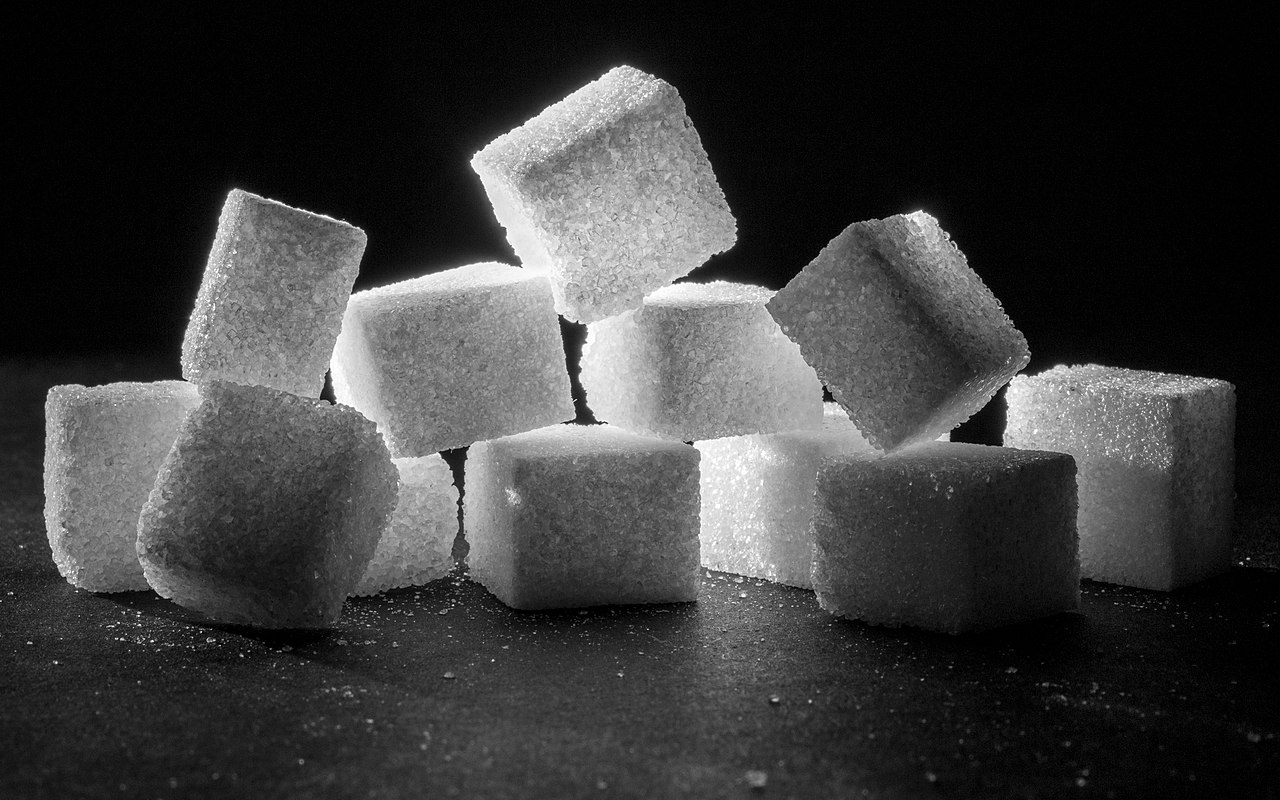
A gut-to-brain circuit drives sugar preference and may explain sugar cravings
On Apr. 15, 2020, Howard Hughes Medical Institute (HHMI) investigators report the sensation of sweetness starts on the tongue, but sugar molecules also trip sensors in the gut that directly signal the brain. This could explain why artificial sweeteners fail to satisfy the insatiable craving for sugar. The study was published in the journal Nature.
little extra sugar can make us crave just about anything, from cookies to condiments to coffee smothered in whipped cream. But its sweetness doesn’t fully explain our desire. Instead, new research shows this magic molecule has a back channel to the brain.
Like other sweet-tasting things, sugar triggers specialized taste buds on the tongue. But it also switches on an entirely separate neurological pathway – one that begins in the gutexternal, Howard Hughes Medical Institute Investigator Charles Zuker and colleagues report on April 15, 2020 in the journal Nature.
In the intestines, signals heralding sugar’s arrival travel to the brain, where they nurture an appetite for more, the team’s experiments with mice showed. This gut-to-brain pathway appears picky, responding only to sugar molecules – not artificial sweeteners.
Scientists already knew sugar exerted unique control over the brain. A 2008 study, for example, showed that mice without the ability to taste sweetness can still prefer sugarexterna, Zuker’s team’s discovery of a sugar-sensing pathway helps explain why sugar is special – and points to ways we might quell our insatiable appetite for it.
Tags:
Source: Howard Hughes Medical Institute
Credit: