The first Ancient North American genome was sequenced
On Feb. 12, 2014, scientists, led by ancient DNA expert Eske Willerslev of the University of Copenhagen and his colleagues announced sequencing DNA from a 12,600-year-old skeleton of an infant found in central Montana. Scientists confirmed that early Native Americans descended from ancient Asians, not from Western Europeans, according to a study published in Nature.
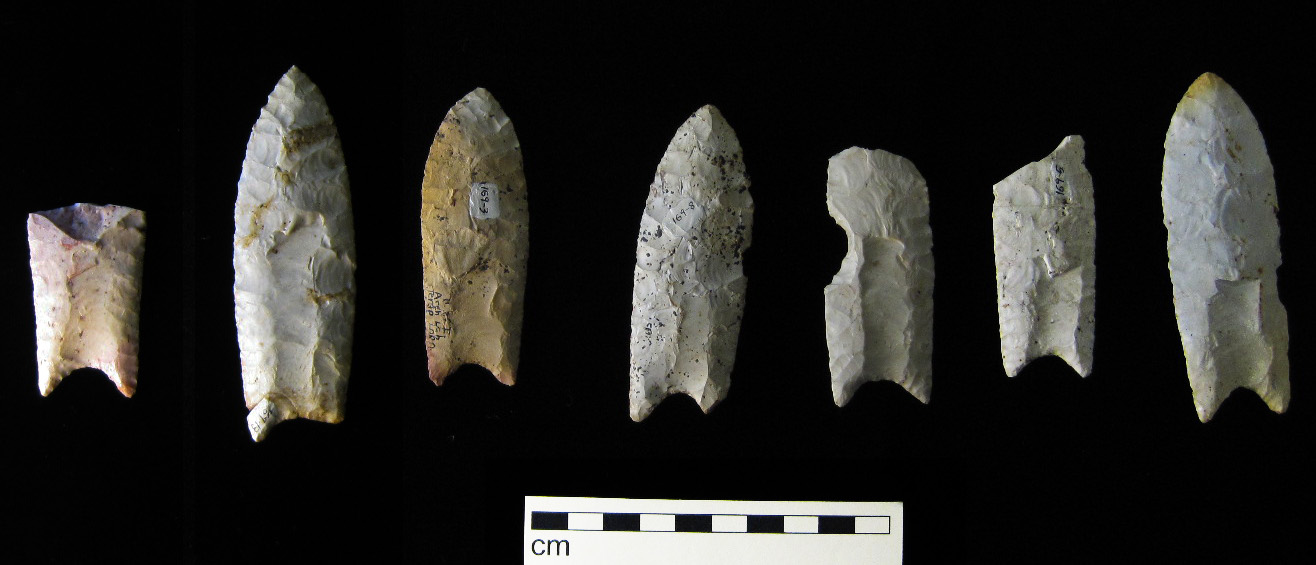
They conclude that the male infant, buried c.12,600 years ago with ochre-covered Clovis artefacts at the Anzick site, belonged to a meta-population from which many contemporary Native Americans are descended and is closely related to all indigenous American populations.
The Anzick-1 data thus serves to unify the genetic and archaeological records of early North America, it is consistent with a human occupation of the Americas a few thousand years before Clovis, and demonstrates that contemporary Native Americans are descendants of the first people to successfully settle the Americas.
Their results are also consistent with previous models derived from mtDNA, which imply that Native American populations primarily derive from a single source population, but that there was a secondary movement into northern North America.
The scientists sampled bone fragments from Anzick-1 skeleton, from the Anzick site in Montana, for ancient DNA and 14C dating analyses (SI1-2). From DNA extracts we generated Illumina sequencing libraries, which were sequenced on the Illumina HiSeq platform (SI3-4). They then verified the authenticity of the ancient DNA through damage patterns and decay rates (SI7-8), and monitored contamination using analyses of both mtDNA and nuclear DNA (SI9-10). This was the first ancient North American genome to have been fully sequenced.
Tags:
Source: National Library of Medicine
Credit: