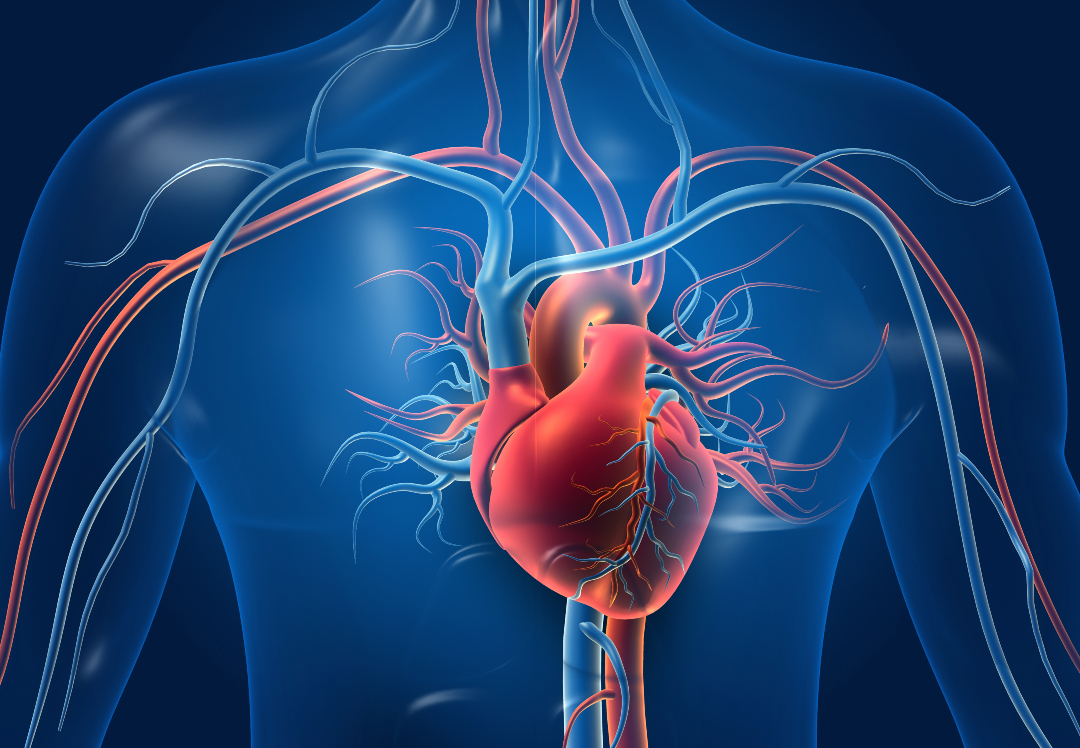
Stanford Medicine researchers used skin cells from patients with a severe genetic heart defect to create human heart cells with the same genetic mutation
On Feb. 9, 2011, Stanford researchers used skin cells from patients with a severe genetic heart defect to create human heart cells with the same genetic mutation, allowing them to test drugs on the cells. The newly created human heart cells — cardiomyocytes — allowed the researchers for the first time to examine and characterize the disorder at the cellular level.
In a study published online in Nature, the investigators also reported their identification of a promising drug to reverse the heart malfunction — for which there are currently no decent treatments — after using these newly created heart cells to check the effects of a plethora of compounds.
Tags:
Source: Stanford Medicine
Credit: