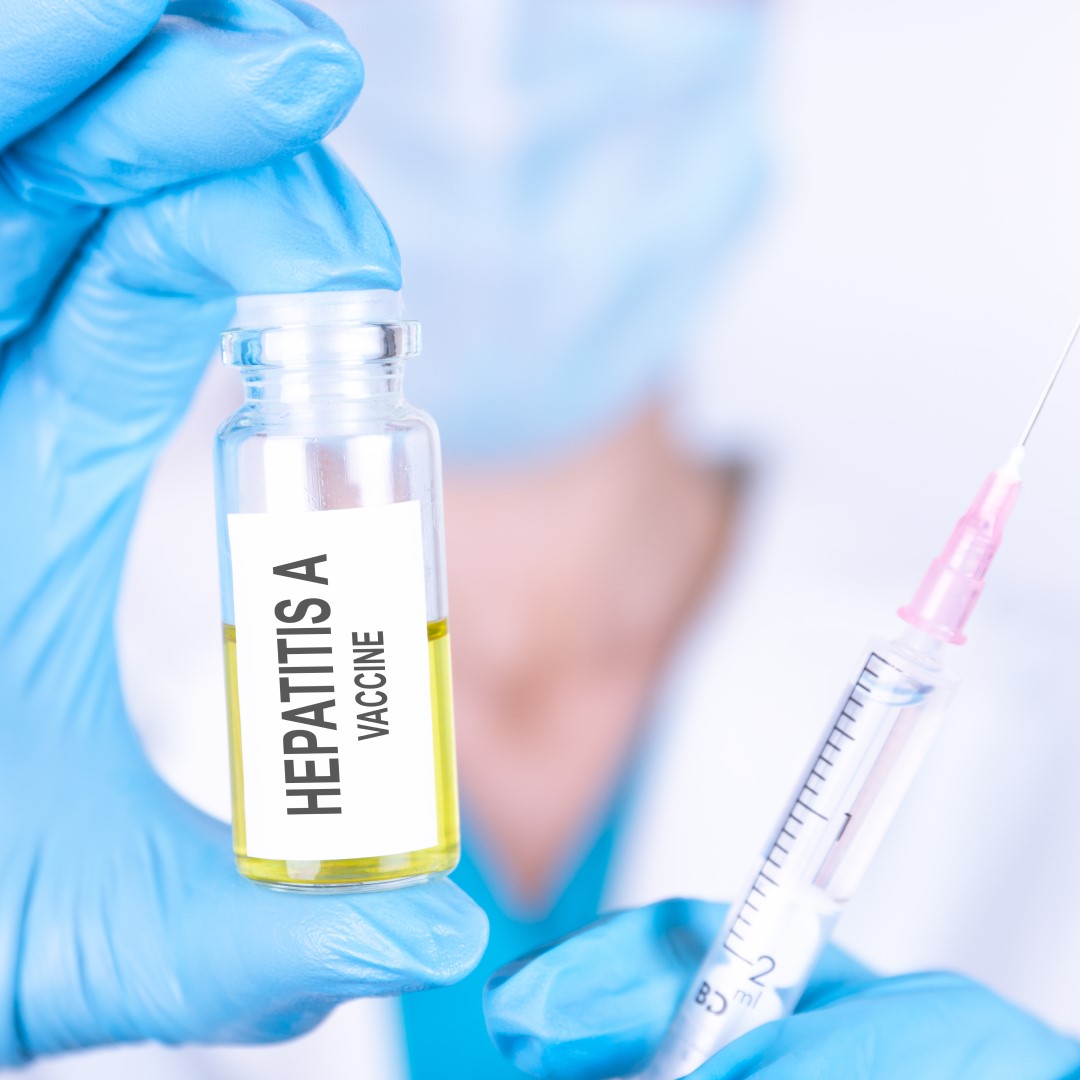
FDA approved lowering the age limit to 12 mos for one of the two licensed hepatitis A vaccine
On Aug. 11, 2005, the Food and Drug Administration (FDA) approved an application of a pediatric/adolescent formulation of VAQTA® (hepatitis A vaccine, inactivated) (Merck) for use among persons aged 12 months–18 years.
The formulation, dosage, and schedule for VAQTA did not changed. Each 0.5 mL dose of the pediatric/adolescent formulation of VAQTA contained approximately 25 units of formalin-inactivated hepatitis A virus antigen, adsorbed onto aluminum hydroxyphosphate sulfate, in 0.9% sodium chloride. The formulation did not contain a preservative.
VAQTA is now indicated for active immunization of persons aged >12 months to protect against disease caused by hepatitis A virus. The primary vaccination schedule is unchanged and consists of 2 doses, administered on a 0, 6–18 month schedule. The Advisory Committee on Immunization Practices (ACIP) has issued recommendations for hepatitis A vaccination (1).
Results from the study to lower the age indication for VAQTA indicated that 100% of 343 initially seronegative children aged 12–23 months who received 2 doses of VAQTA had seroconverted to antibody levels previously indicated to be protective. The study also indicated that VAQTA may be administered concomitantly with M-M-R II (measles, mumps, and rubella virus vaccine live). Insufficient data are available to evaluate the concomitant use of VAQTA with other routinely recommended childhood vaccines. According to the general recommendations of ACIP, inactivated vaccines generally do not interfere with the immune response to other inactivated or live vaccines (2).
In combined clinical trials reported as part of the labeling change application, 706 healthy children aged 12–23 months received >1 doses of VAQTA alone or in combination with other routinely recommended pediatric vaccines. The most commonly reported complaints after 1 or both doses of VAQTA were similar to those reported among older children (1). VAQTA is contraindicated in persons with known hypersensitivity to any component of the vaccine.
Tags:
Source: U.S. Centers for Disease Control and Prevention
Credit: