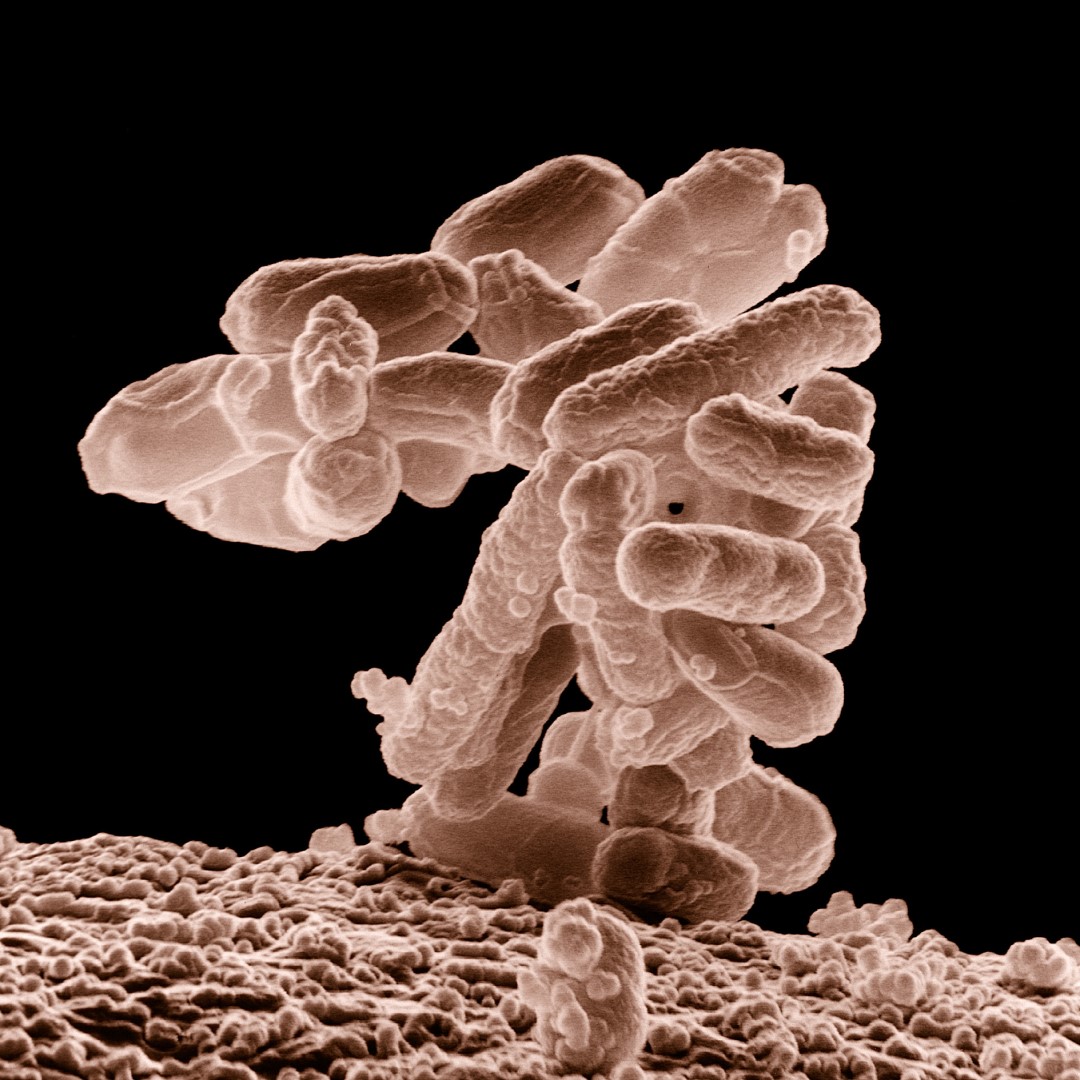
CRISPR sequences discovered in the E. coli genome
In December 1987, CRISPR (Clustered Regularly Interspaced Short Palindromic Repeat) sequences were discovered in the E. coli Escherichia genome during an analysis of genes involved in phosphate metabolism.
The first hint of their existence came when an unusual repetitive DNA sequence, which subsequently was defined as a CRISPR, was discovered in the Escherichia coli genome during an analysis of genes involved in phosphate metabolism. Similar sequence patterns were then reported in a range of other bacteria as well as in halophilic archaea, suggesting an important role for such evolutionarily conserved clusters of repeated sequences.
A critical step toward functional characterization of the CRISPR-Cas systems was the recognition of a link between CRISPRs and the associated Cas proteins, which were initially hypothesized to be involved in DNA repair in hyperthermophilic archaea.
Tags:
Source: U.S. National Library of Medicine
Credit: Image: Transmission electron micrograph of ecoli bacteria. Courtesy: U.S. Department of Agriculture.