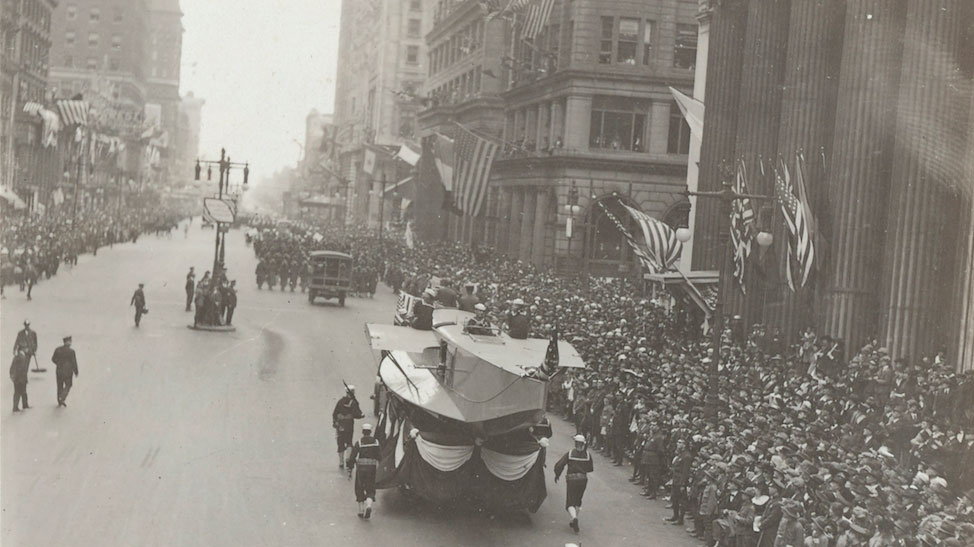
By the end of the influenza epidemic, Philadelphia had suffered 748 deaths per 100,000 people
On Dec. 15, 1918, the number of new influenza cases per day in the city slowed to a trickle, and life in Philadelphia returned – as much as possible – to what counted for normal after such a devastating blow.
In 1919, by the end of the influenza epidemic, Philadelphia had suffered a terrible cost of 748 deaths per 100,000 people, one of the worst in the nation, and about 50,000 children had been orphaned.
Philadelphia’s epidemic outcome was largely shaped by two factors: its location as an East Coast city, and its insistence on holding the fateful Fourth Liberty Loan Parade at the exact moment that the influenza epidemic was growing.
Tags:
Source: Influenza Encyclopedia
Credit: Photo: Courtesy University of Michigan Center for the History of Medicine.