DNA in dirt is shaking up the study of human origins
On Mar. 24, 2026, a study published in Nature describes how researchers are pulling clues from genetic material in ice age soils and rewriting chapters of human history. Evolutionary geneticist Eske Willerslev at the University of Copenhagen, in a 2003 paper in Science, showed that plant and animal DNA could be recovered from a Siberian permafrost core that stretched back 400,000 years.
Even in the warmer temperatures of a New Zealand cave, Willerslev identified DNA from the extinct emu-like moa (Euryapteryx curtus) in 600-year-old sediments. It was the first time that researchers had used sediment alone to identify long-dead complex organisms.
Two decades on, the study of ancient DNA from sediments has matured into one of the most exciting tools for studying the past, say researchers. Interest in soil DNA surged nearly ten years ago, when scientists found that human DNA could also be isolated from ancient sediments. Laboratories that had once focused on extracting genetic material from precious fossils are now turning their attention to dirt. Archaeologists, too, are re-examining soil collected decades ago, keen to discover more about the past using this modern technology.
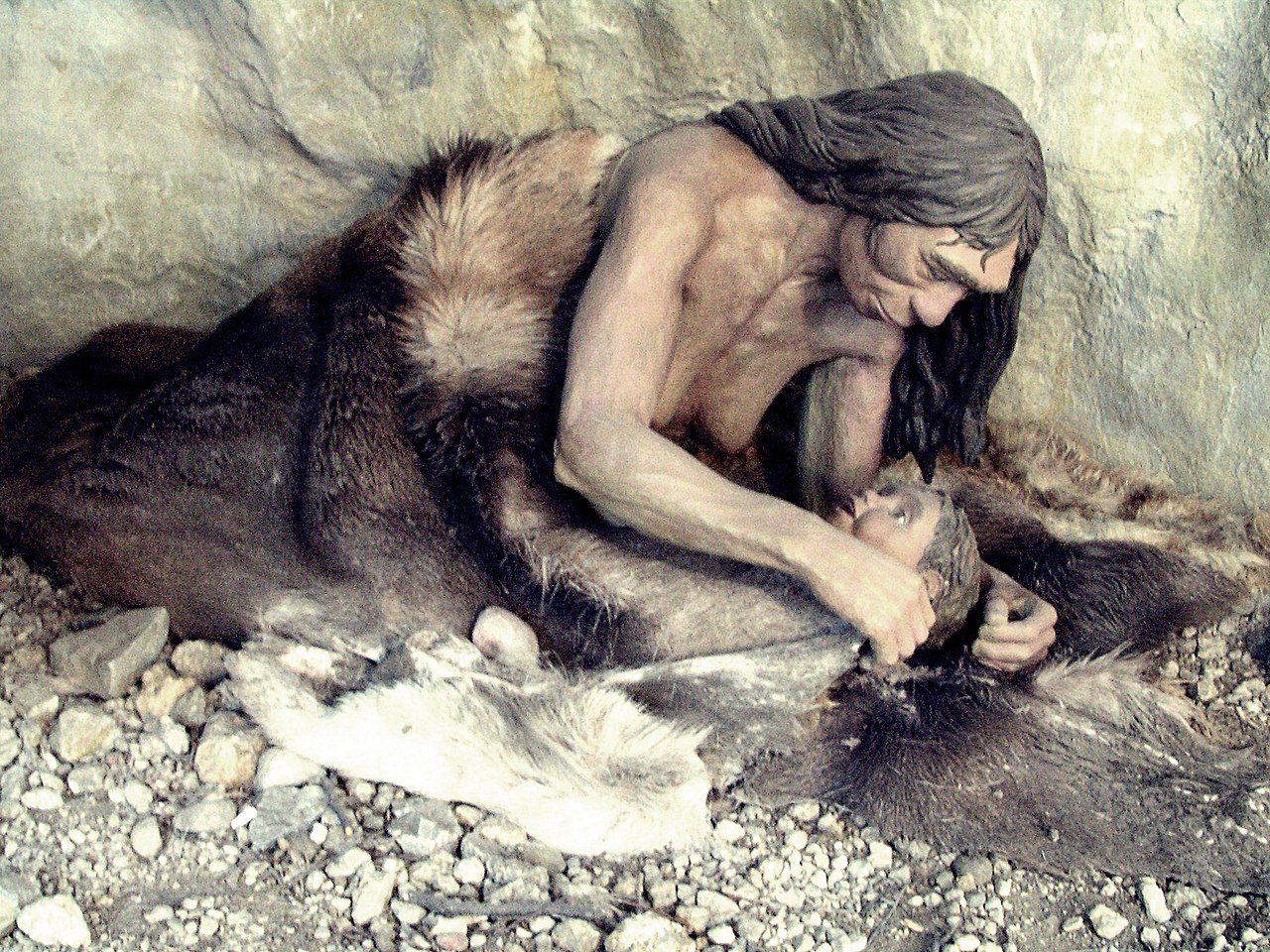
Sedimentary DNA has been particularly influential in the study of ancient humans, revealing important clues about early members of our own species, as well as about Neanderthals (Homo neanderthalensis) and the mysterious Denisovans, of which very few bones have been found. For 14 years, sedimentary ancient DNA — also known as sedaDNA — remained the preserve of palaeoecologists reconstructing what life on Earth looked like using lake cores and permafrost samples. But a watershed moment for the field came in 2017, when scientists successfully identified DNA belonging to ancient humans in ice age soils.
The study found human DNA in places where human fossils have not been discovered. This has highlighted sedaDNA’s potential for extending the fossil record. At the Trou Al’Wesse cave in Belgium, for instance, sedaDNA results confirmed a long-held suspicion — based on characteristic stone tools — that Neanderthals had occupied the site. At Denisova Cave in Siberia, researchers found DNA from both Neanderthals and a sister lineage, the Denisovans, which was named after the cave.
Some of the DNA appeared in layers without fossils. In a more extensive study of roughly 700 permafrost sediment specimens from Denisova Cave, one sample from a deep layer indicated that Neanderthals had arrived at the site 170,000 years ago — 30,000 years earlier than fossil evidence suggested4. And even though no bones have been found so far, sedaDNA places early modern humans in the cave from around 45,000 years ago.
DNA also places Neanderthals in a layer that contains one type of stone tool, and Denisovans in a separate layer with another type, linking each to its potential maker. That connection is often difficult to establish otherwise. Meyer and others are optimistic that ancient DNA could one day identify the makers of tools at further sites, and even the artists responsible for cave paintings.
Tags:
Source: Nature
Credit: