Danish university places hold on controversial U.S. CDC hepatitis B vaccine study in Guinea-Bissau
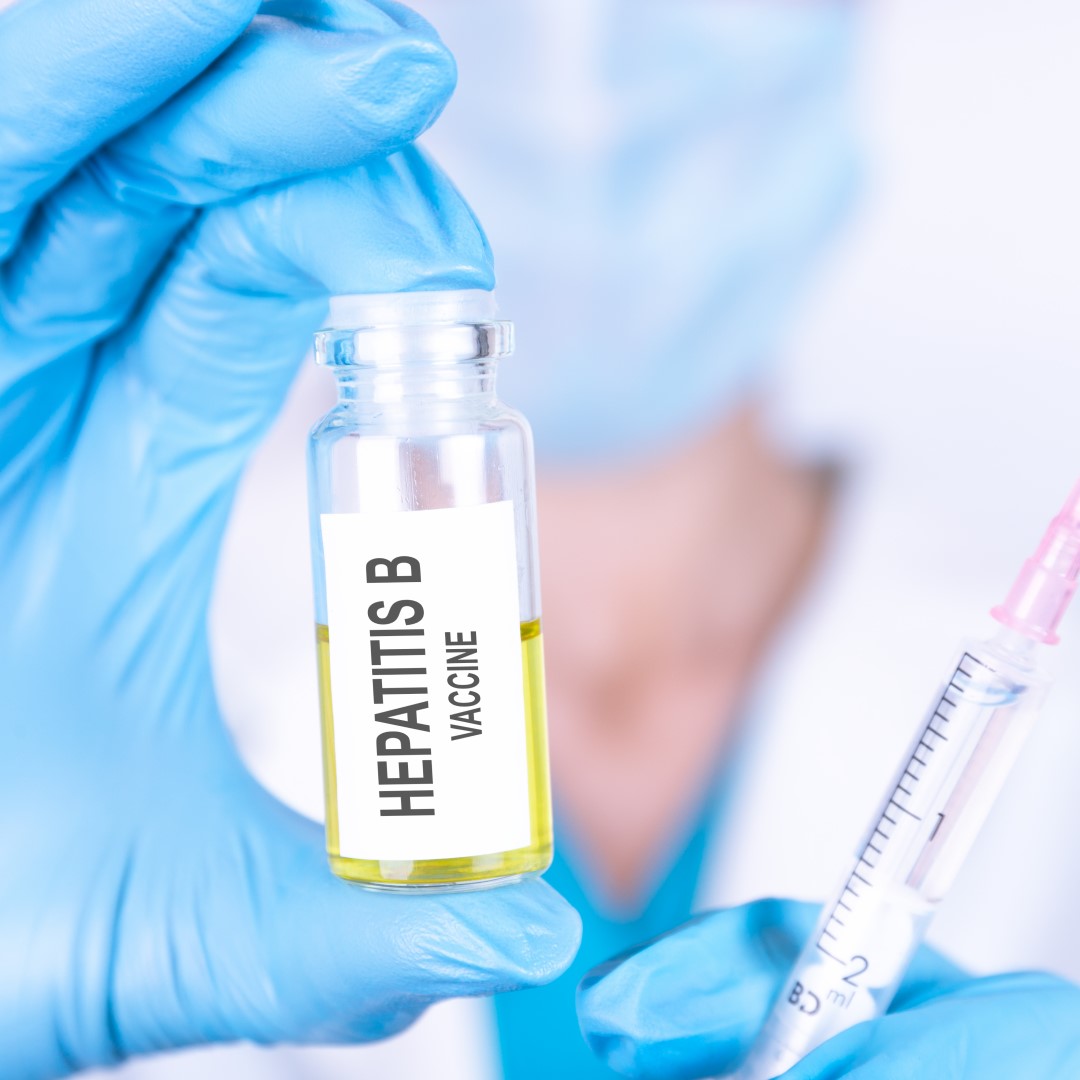
On Mar. 19, 2026, the University of Southern Denmark announced it has placed a “full hold” on a heavily criticized clinical trial of the hepatitis B vaccine in Guinea-Bissau owing to ethical concerns.
The move comes after officials in Guinea-Bissau announced last month that the trial—which would provide life-saving hepatitis B vaccines at birth to only half of the 14,000 infants in the study—has been stopped.
The U.S. Centers for Disease Control and Prevention (CDC) awarded $1.6 million to researchers from the Danish university’s Bandim Research Project for the study, which has been condemned as biased and unethical by public health experts around the globe, the World Health Organization (WHO), and members of Congress.
CIDRAP News broke the news of the study in December, shortly after the single-blinded clinical trial was announced in the Federal Register.
Ole Skøtt, MD, DMSc,dean and professor of the faculty of health sciences at the university, said he contacted the WHO’s research ethics review committee to ask to review study the protocol.
“There may be issues relating to conflicts of interest in relation to the approval granted by the local ethics committee in Guinea-Bissau for the hepatitis B project,” Skøtt told CIDRAP News. “It is important to us that the research ethics issues are thoroughly examined before any decision is made on the further course of action.”
Spokespeople for the WHO and the Department of Health and Human Services, which includes the CDC, did not respond before this article went to press.
Tags:
Source: Center for Infectious Disease Research & Policy, University of Minnesota
Credit: