Study Shows Life forms can planet hop on asteroid debris—and survive
On Mar. 3, 2026, a Johns Hopkins university study shows major impacts could transport life between planets. Tiny life forms tucked into debris from an asteroid hit could catapult to other planets—including Earth—and survive.
The work demonstrates that a certain hardy bacterium easily withstands extreme pressure comparable to an ejection from Mars after an asteroid hit, as well as the inhospitable conditions it would face during the ensuing interplanetary journey.
The study, published in PNAS Nexus, suggests that microorganisms can survive remarkably more extreme conditions than expected, and raises questions about origins of life. The work also has significant implications for planetary protection and space missions.
“Life might actually survive being ejected from one planet and moving to another,” said senior author K.T. Ramesh, an engineer who studies how materials behave in extreme conditions. “This is a really big deal that changes the way you think about the question of how life begins and how life began on Earth.”
Impact craters cover the surfaces of most bodies in the solar system. Mars, a planet that could harbor life, is one of the most cratered celestial bodies. We know asteroid strikes can launch material across space—and Martian meteorites have been found on Earth. However, scientists have long wondered if life forms could also be launched from an asteroid impact. Tucked inside ejected debris, they might land on another planet—a theory called the lithopanspermia hypothesis.
Space mission protocols evaluate the likelihood of life surviving on the target planet. When missions travel to planets that might sustain life, like Mars, there are tight restrictions and safety measures to prevent contaminating the planet with Earth life. And when a mission brings back materials from a planet, there are very strict measures to control the possible release of that life on Earth. Because this work demonstrates that materials from Mars might reach other bodies, particularly its two nearby moons that aren’t currently restricted, the team said policies might need to be reassessed.
The team next hopes to explore whether repeat asteroid impacts result in hardier bacterial populations—or whether bacteria adapt to this kind of stress. They’d also like to see if other organisms, including fungi, can survive these conditions.
Tags:
Source: Johns Hopkins University
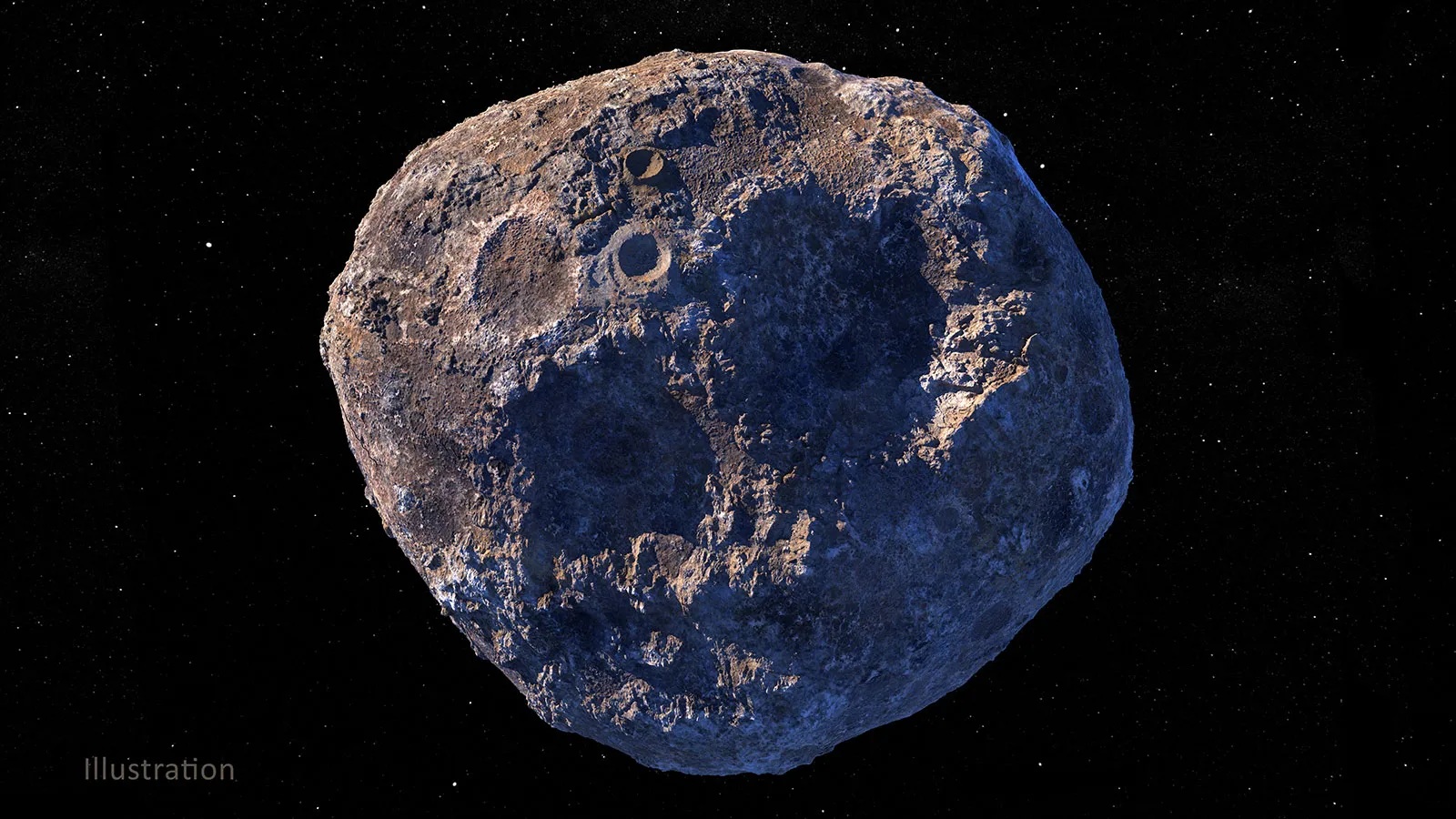
Credit: Image: Psyche asteroid illustration. Courtwsy: National Aeronautics and Space Administration.