Researchers discover potential new target to treat Parkinson’s disease
On Jan. 15, 2026, a team of Case Western Reserve University researchers announced they have discovered a particular biochemical route that plays a role in Parkinson’s disease, the debilitating neurological condition.
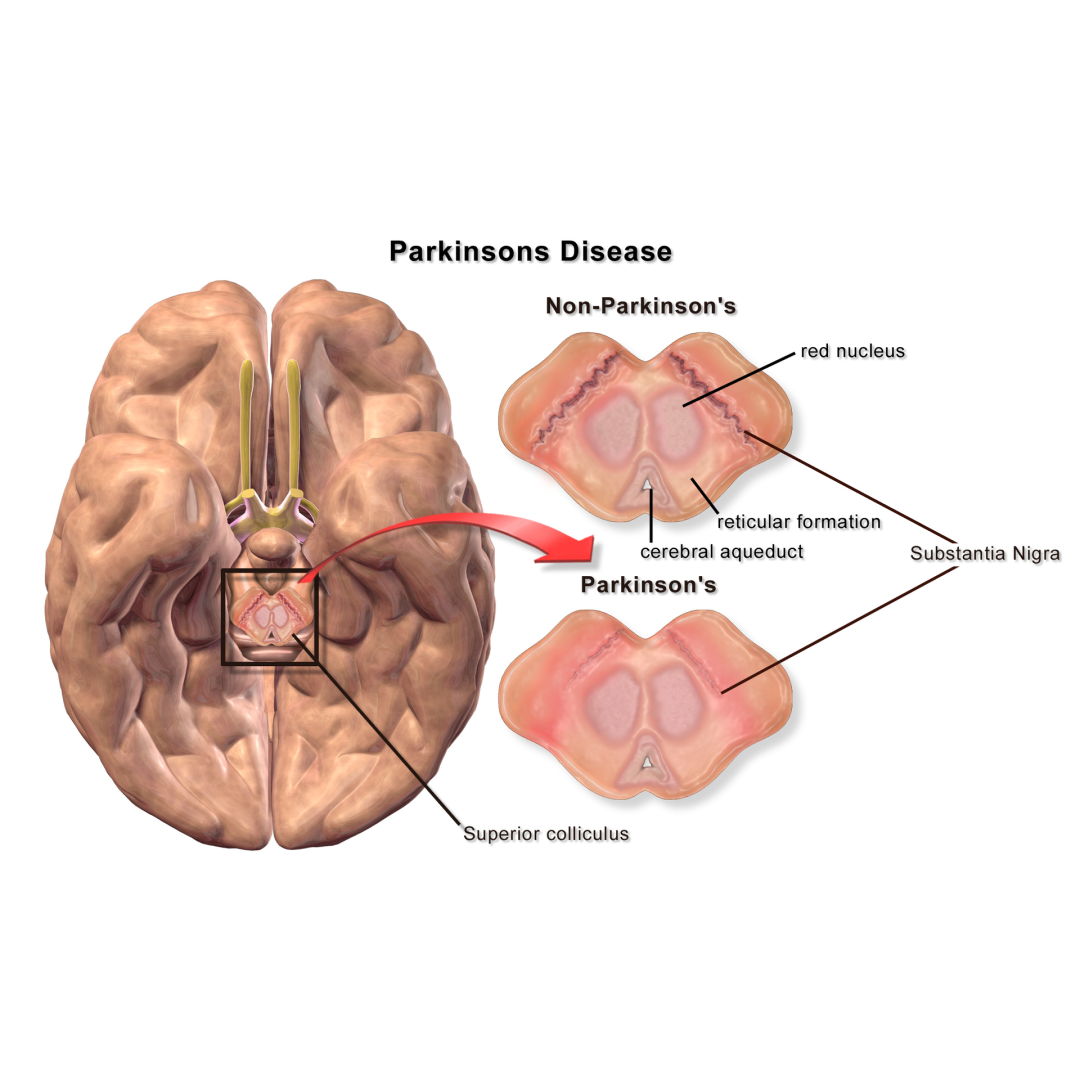
About 1 million Americans suffer from Parkinson’s disease, with around 90,000 new cases diagnosed each year, according to the Parkinson’s Foundation. The chronic, degenerative brain disorder destroys dopamine-producing cells essential for smooth, coordinated movement.
Their findings, published recently in Molecular Neurodegeneration, reveal how harmful protein buildup in brain cells causes movement-controlling neurons to die—a hallmark of Parkinson’s disease. After three years of research, the scientists found that the toxic protein alpha-synuclein inappropriately interacts with an essential enzyme that supports cellular health in Parkinson’s disease, called ClpP. The cell’s energy producers, the mitochondria, are harmed by this interaction, which results in neurodegeneration and brain cell death. In several experimental models, the connection has also been shown to accelerate the disease’s progress.
The research team created CS2, a specifically designed treatment that blocks the harmful protein interaction and reinstates healthy mitochondrial function. CS2 works like a decoy. It tricks alpha-synuclein into binding with it instead of damaging the cell’s energy factories. CS2 also improved mobility and cognitive performance in a variety of study models, including human brain tissue, patient-derived neurons and mice models, by reducing brain inflammation.
In the next five years, the team hopes to move this discovery closer to possible clinical trials. Optimizing the medicine for human use, increasing safety and efficacy testing, finding important molecular biomarkers involved in the illness process and getting closer to clinical translation for patients are the next steps.
Tags:
Source: Case Western Reserve University
Credit: