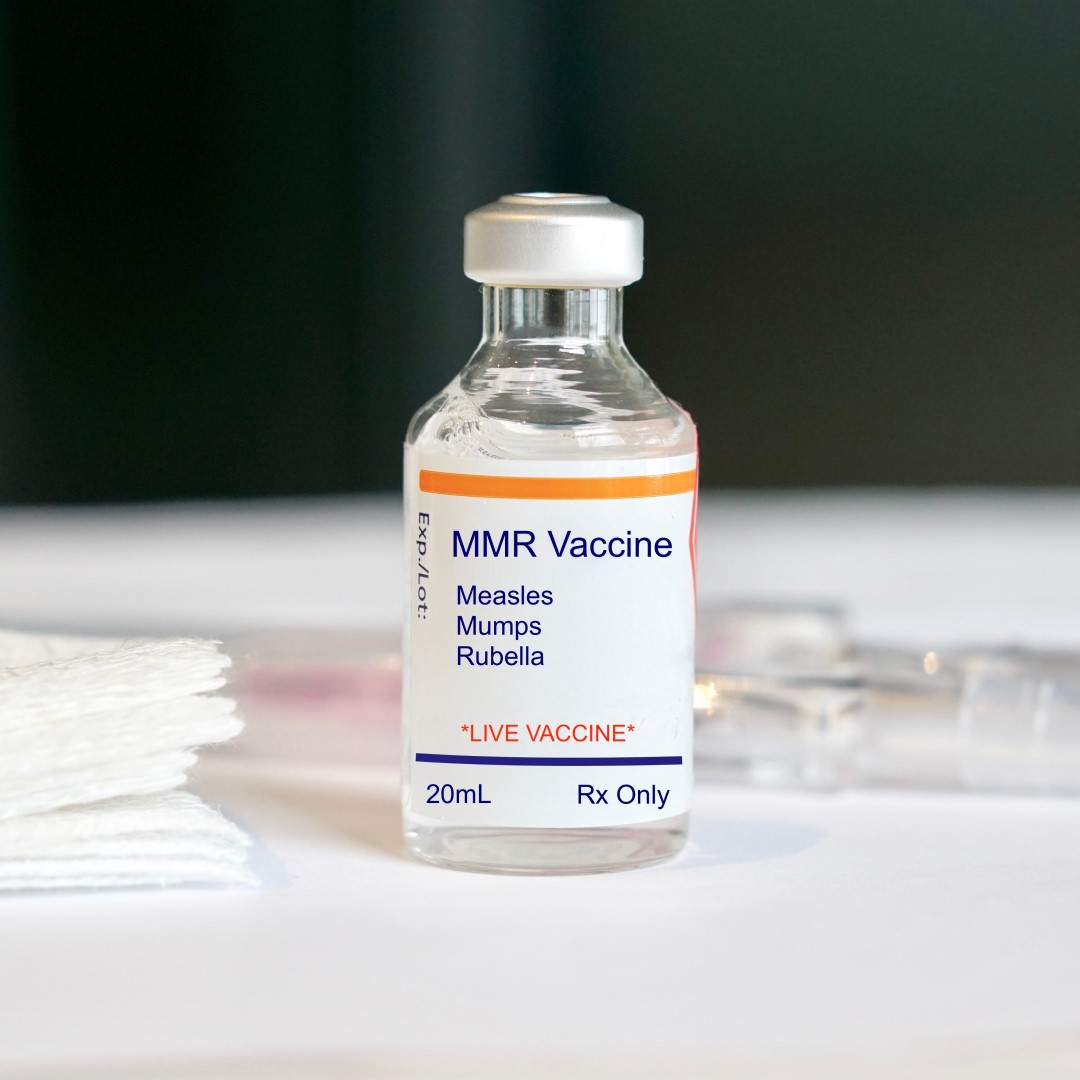
Assessing MMR vaccination coverage gaps in U.S. children with digital participatory surveillance
On Jan. 15, 2026, the USA is experiencing a resurgence of measles, despite the widespread availability of the safe and effective measles–mumps–rubella (MMR) vaccine. Multiple states reported cases in 2025, notably concentrated in western Texas and New Mexico.
Declining MMR coverage, fuelled by multifaceted vaccine hesitancy and pandemic-related disruption, has left national coverage below thresholds required to prevent sustained transmission. Differences in vaccination coverage by geographic, socioeconomic and demographic factors have further contributed to pockets of vulnerability, particularly in communities with lower MMR vaccine rates.
Effective public health interventions require timely, spatially granular surveillance data. However, existing US vaccination surveillance systems face notable limitations, including reporting delays, coarse geographic resolution (often reported only at the state level) and reliance on milestones assessment at 24 and 36 months or kindergarten entry.
These estimates typically depend on healthcare provider-verified, school or health department records, which systematically underrepresent children who are homeschooled, uninsured or foreign-born, or face structural barriers to care—groups that historically have shown undervaccination. Consequently, the existing system provides an incomplete picture of the true vaccine coverage, omitting key subpopulations and underestimating local vulnerability.
Most official vaccination estimates focus on kindergarten-entry requirements, subject to state-exemption policies, leaving younger children—who are more vulnerable to severe measles complications—poorly presented. In Texas, for example, the statewide kindergarten MMR uptake for the 2024–2025 school year was reported at 93.2%, near the herd-immunity threshold, yet West Texas is currently experiencing a measles outbreak. Such aggregated figures may obscure local immunity gaps, especially among children too young for school entry or those facing barriers to care.
National case reports from the Centers for Disease Control and Prevention (CDC) echo this concern: in 2025, nearly 30% of US measles cases occurred among children under 5 years of age, who also had the highest hospitalization rate (21%), while over 90% of all cases were in unvaccinated individuals. The reliance on school-based reporting and state-specific data systems makes it difficult to construct a timely, unified national picture of measles immunity.
Beyond identifying spatial patterns of vaccination, an important contribution of this study lies in combining digital participatory surveillance with advanced statistical methods to improve the measurement of vaccination coverage, particularly among vulnerable populations. This methodology offers a timely and scalable complement to conventional immunization monitoring systems, such as vaccine registries and national surveys, by enhancing the detection of localized immunity gaps and increasing geographic granularity and inclusiveness to reach populations often missed by the existing systems.
Tags:
Source: Nature
Credit: