Decoding Wildlife Movement to Predict the Next Pandemic
Sept. 15, 2025, a groundbreaking new study led by Prof. Ran Nathan from the Movement Ecology Lab at the Hebrew University of Jerusalem, researchers propose a bold new approach to detecting and managing disease outbreaks—by tracking wildlife in near real-time.
Published in Trends in Ecology & Evolution, the study presents a comprehensive framework for using animal movement data—gathered through tiny, wearable biologging devices—to identify signs of disease before outbreaks spiral out of control. It’s a shift from reactive treatment to proactive prevention, and it could revolutionize how we approach zoonotic diseases like avian flu and even future COVID-like pandemics.
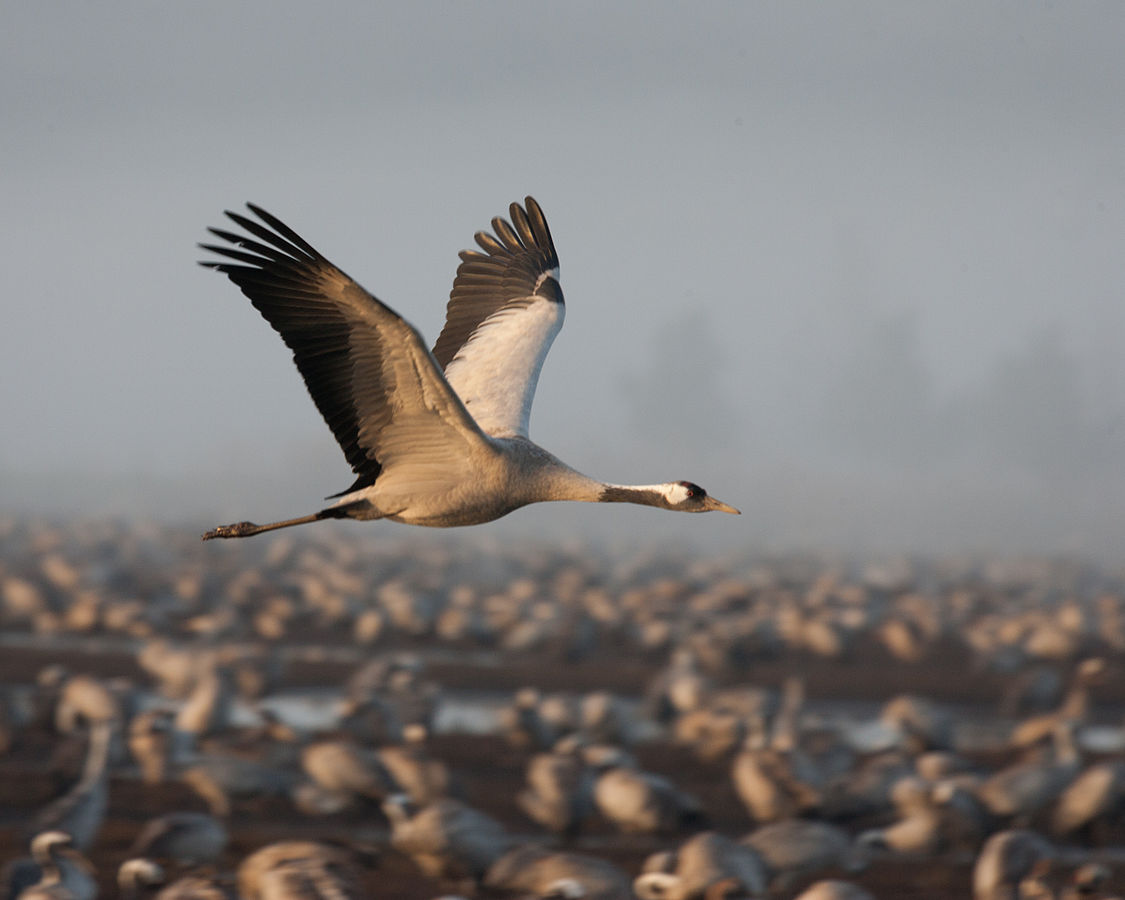
“The winter 2021/22 avian flu outbreak at the Hula Valley was Israel’s largest wildlife outbreak, killing 8,000 cranes and threatening human health. At that time, we had 10 GPS-tracked cranes, some of which died. The mass mortality scene at the Agamon Hula was devastating, but the data from the tracked cranes provided unprecedented insights for guiding rapid management decisions. This prompted us to develop a general framework applicable to multiple diseases and host species.” said Prof. Nathan. “Thanks to advances in biologging, we can now track wild animal in near-real-time, far faster and more effectively than before. This allows early detection of outbreaks, targeted mitigation, and the potential to save both human and animal lives.”
While challenges remain—including cost, data management, and the need for international cooperation—the authors argue that the benefits far outweigh the risks. With the increasing frequency of zoonotic disease outbreaks, the question isn’t whether we can afford to do this. It’s whether we can afford not to.
The research paper titled “Using wild-animal tracking for detecting and managing disease outbreaks” was published in Trends in Ecology & Evolution.
Tags:
Source: Hebrew University of Jerusalem
Credit: