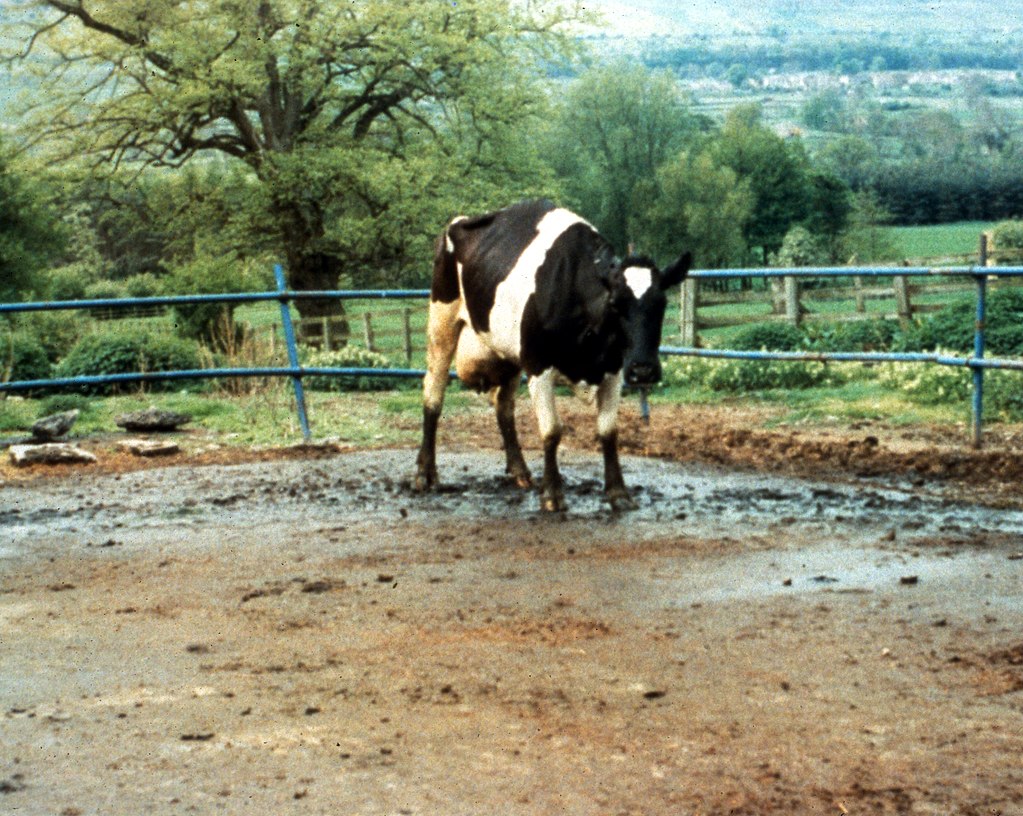
The USDA confirmed detection of Bovine Spongiform Encephalopathy (BSE) in California
On Apr. 24, 2012, the U.S. Department of Agriculture’s (USDA) Animal and Plant Health Inspection Service (APHIS) confirmed the nation’s fourth case of bovine spongiform encephalopathy (BSE) in a dairy cow from central California.
BSE is a progressive neurological disease among cattle that is always fatal. It belongs to a family of diseases known as transmissible spongiform encephalopathies. Affected animals may display nervousness or aggression, abnormal posture, difficulty in coordination and rising, decreased milk production, or loss of body weight despite continued appetite.
The carcass of the animal was held under State authority at a rendering facility in California and was destroyed. It was never presented for slaughter for human consumption, so at no time presented a risk to the food supply or human health. Additionally, milk does not transmit BSE.
In 2011, there were only 29 worldwide cases of BSE, a dramatic decline and 99% reduction since the peak in 1992 of 37,311 cases. This is directly attributable to the impact and effectiveness of feed bans as a primary control measure for the disease.
This detection in no way affects the United States’ BSE status as determined by the OIE. The United States has in place all of the elements of a system that OIE has determined ensures that beef and beef products are safe for human consumption: a mammalian feed ban, removal of specified risk materials, and vigorous surveillance. Consequently, this detection should not affect U.S. trade.
Tags:
Source: U.S. Department of Agriculture
Credit: