The CDC held its first international conference on Legionnaires’ disease
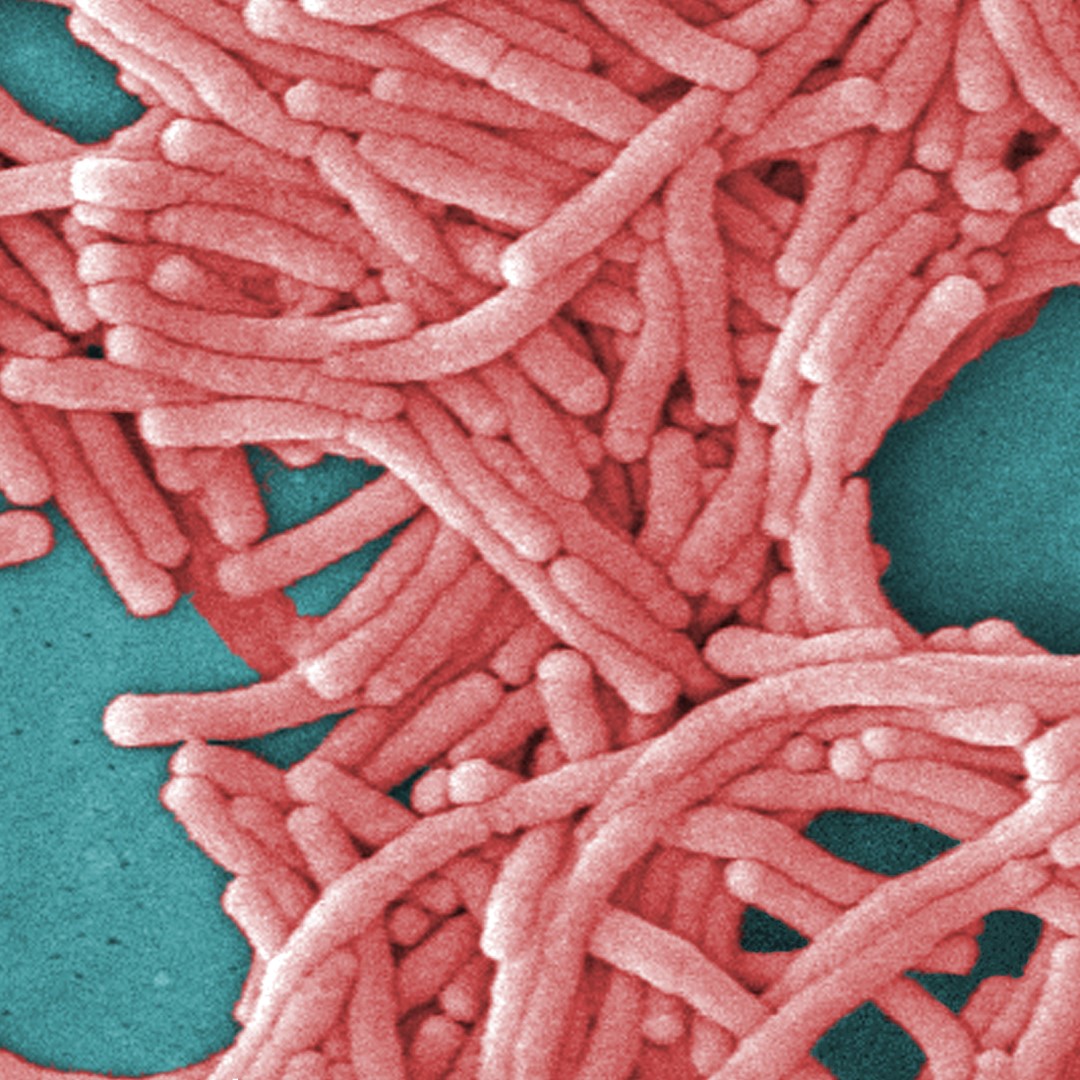
On Nov. 13, 1978, the U.S. Centers for Disease Control and Prevention (CDC) held its first international conference on Legionnaires’ disease. Legionellosis, which includes Legionnaires’ disease and Pontiac fever, is a respiratory disease caused by a type of bacteria called Legionella.
Legionella was discovered after an outbreak in 1976 among people who went to a Philadelphia convention of the American Legion. Those who were affected suffered from a type of pneumonia (lung infection) that eventually became known as Legionnaires’ disease.
Months after the end of the investigation, a CDC microbiologist named Dr. Joseph McDade revisited the lab cultures and was able to isolate a new bacterium. He named it Legionella pneumophila, after the Legionnaires’ convention.
Tags:
Source: U.S. Centers for Disease Control and Prevention
Credit: Photo: Nicroscopic image of Legionella bacteria, the organisms that cause Legionnaires’ disease. Courtesy: Janice Haney Carr, U.S. Centers for Disease Control and Prevention.