Simian virus 40 accidentally administered to humans through contaminated Poliovirus vaccines
From 1955 through early 1963, millions of people were accidentally exposed to simian virus 40 (SV40) as a…

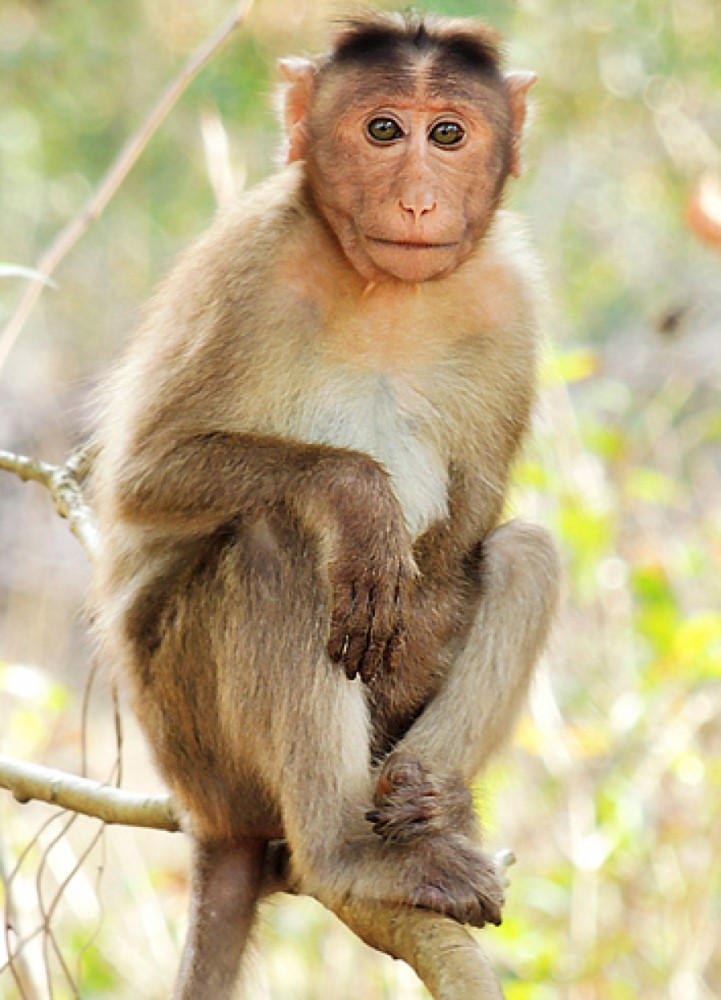
From 1955 through early 1963, millions of people were accidentally exposed to simian virus 40 (SV40) as a…
In 1954, John Enders, known as “the Father of Modern Vaccines” and Thomas Peebles isolated the measles virus…
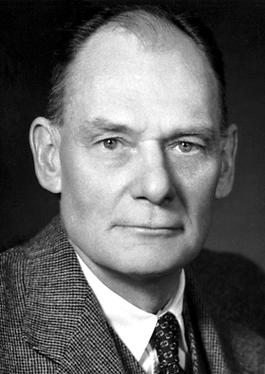
In 1954, John Franklin Enders and Thomas C. Peebles isolated measles virus from an 11-year-old boy, David Edmonston….

Since 1952, global influenza surveillance has been conducted through WHO’s Global Influenza Surveillance and Response System (GISRS). The…

In 1952, the Zika virus was identified in humans. The virus was first discovered in Uganda in 1947….

In 1952, Alfred Hershey and Martha Chase showed that only the DNA of a virus needs to enter…
In 1952, the Chikungunya virus (CHIKV) was first recognized and isolated from Makonde Plateau in southern Tanzania. Chikungunya…

In 1952, the Global Influenza Surveillance and Response System (GISRS) was created by World Health Organization (WHO) to…
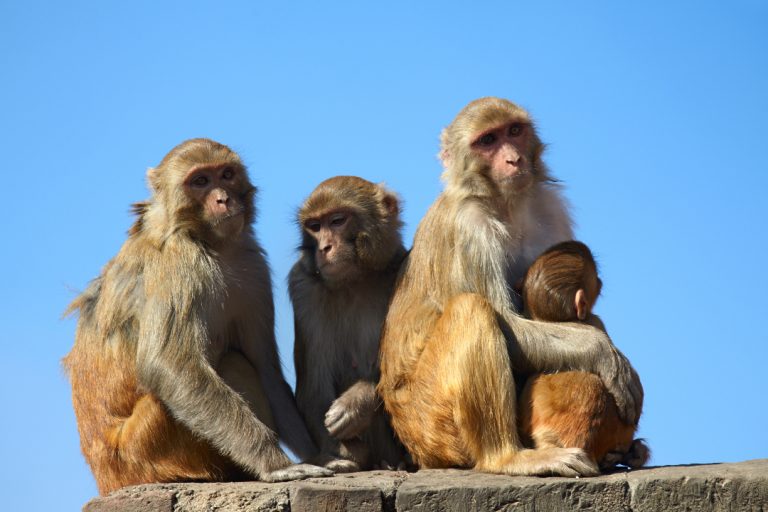
In 1952, Dr. Jonas Salk and his team found monkey kidney tissue to be the most fertile environment…
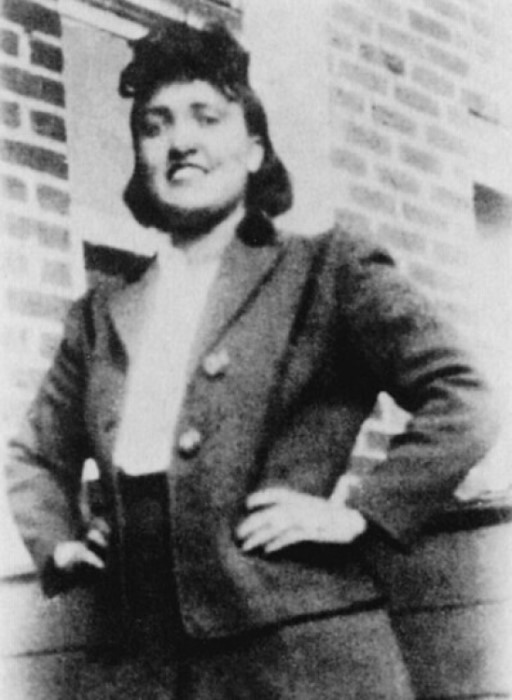
On Feb. 8, 1951, Henrietta Lacks, a tobacco farmer from Virginia died from cervical cancer, and a scientist…
In 1947, the Zika virus was first discovered during research supported by the Rockefeller Foundation to study the…
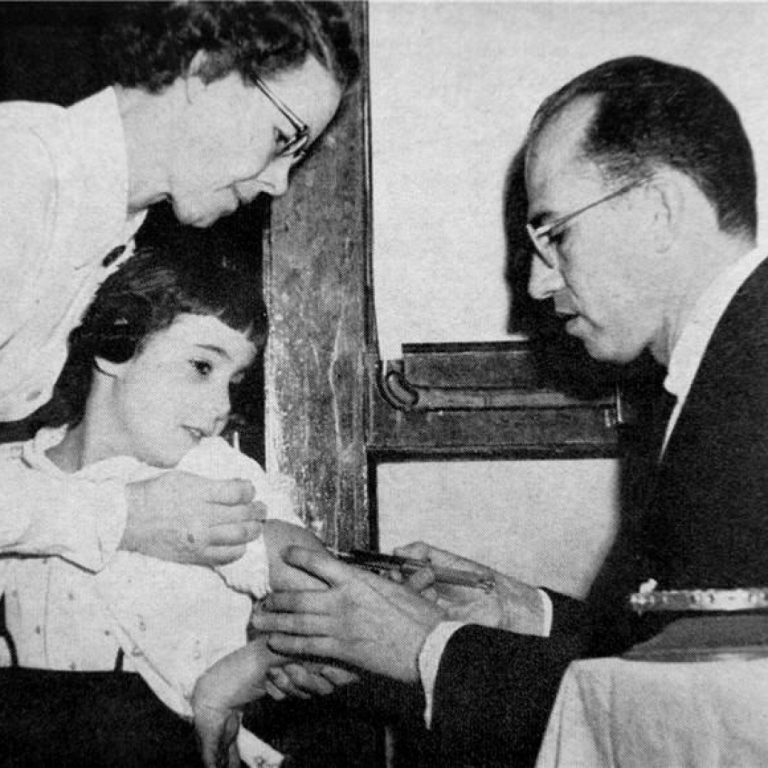
In 1947, Dr. Jonas Salk was recruited from the University of Michigan by Dr. William S. McEllroy, dean…
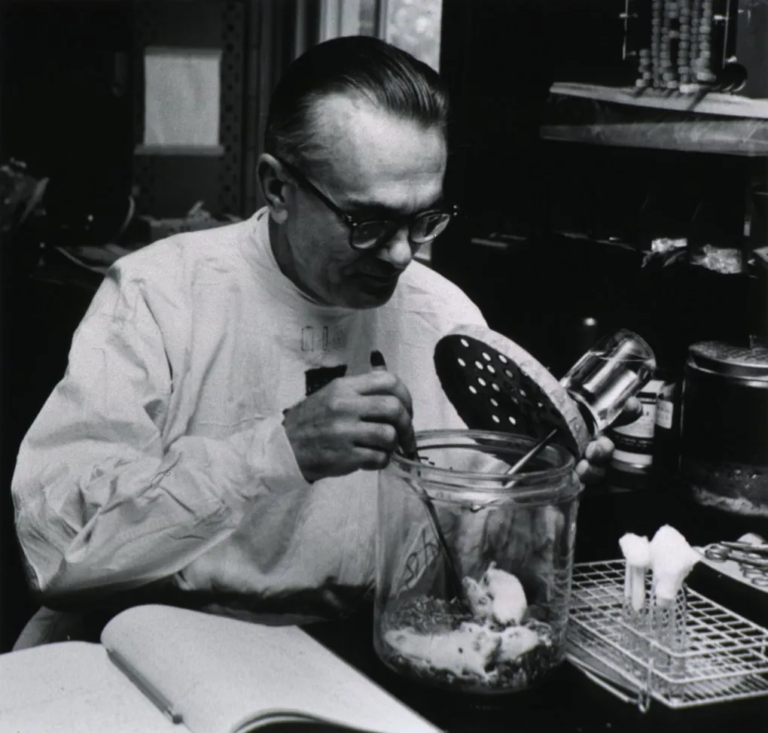
On Feb. 23, 1945, Karl Habel, chief, Laboratory of Biology of Viruses, National Institute of Allergy and Infectious…
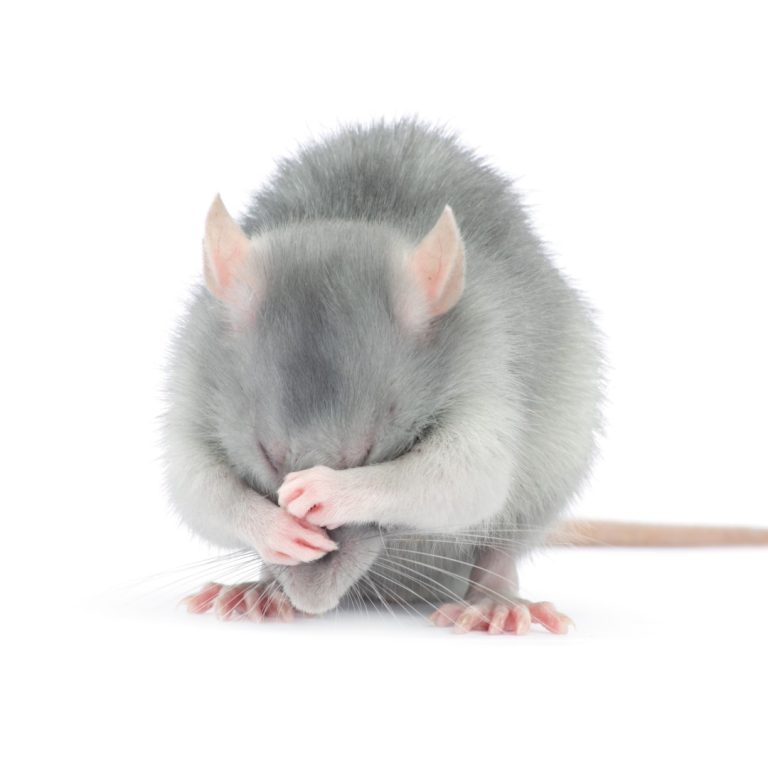
In 1945, W. Ray Bryan, Michael B. Shimkin, Howard B. Andervont, Herbert Kahler and Thelma B. Dunn published…
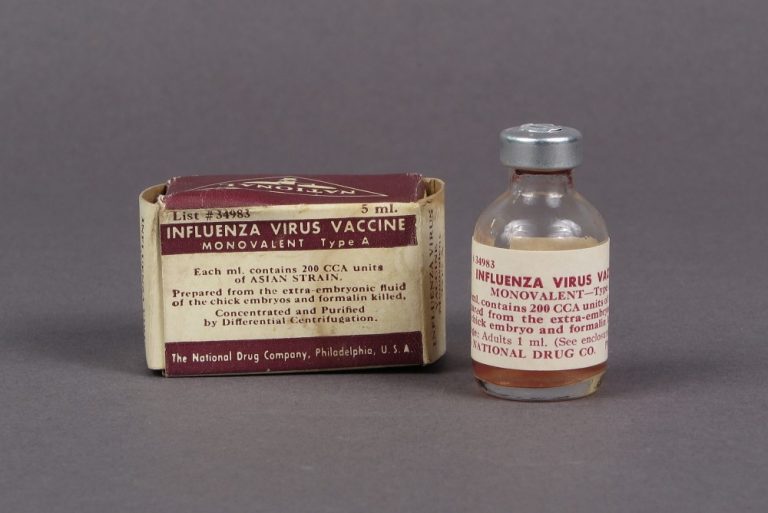
In 1945, the inactivated influenza vaccine was first licensed in the U.S. The first vaccine was an inactivated,…
In 1945, Karl Habel and John Enders isolated the mumps virus. Habel and Enders had successfully cultivated the…
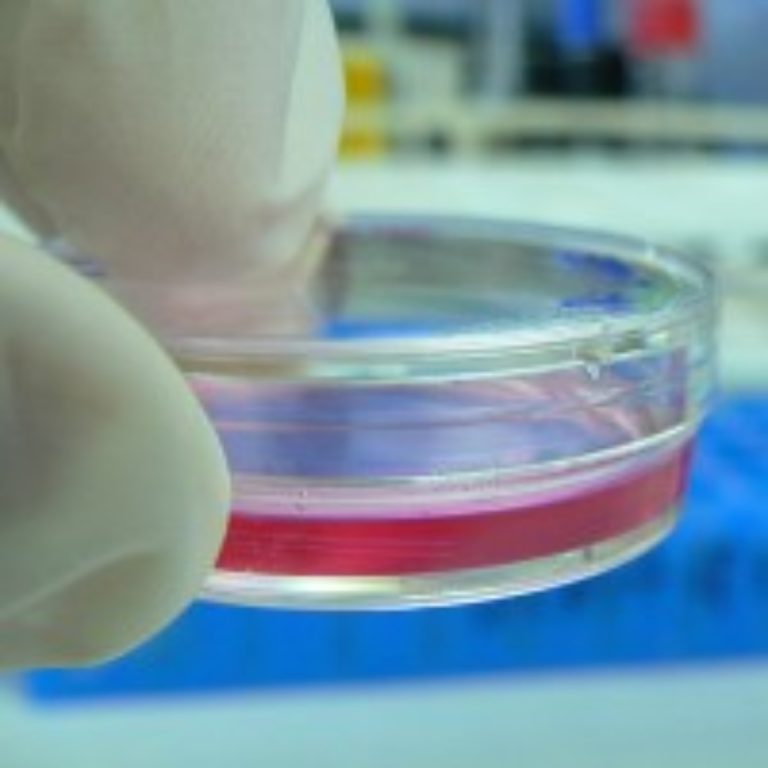
In 1944, the use of cell cultures for virus growth was discovered. This allowed viruses to be cultured…
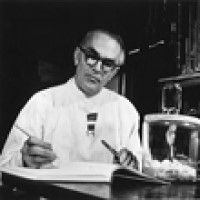
On Jul. 31, 1942, Karl Habel published “Transmission of Rubella to Macacus mulatta Monkeys” in Public Health Reports….
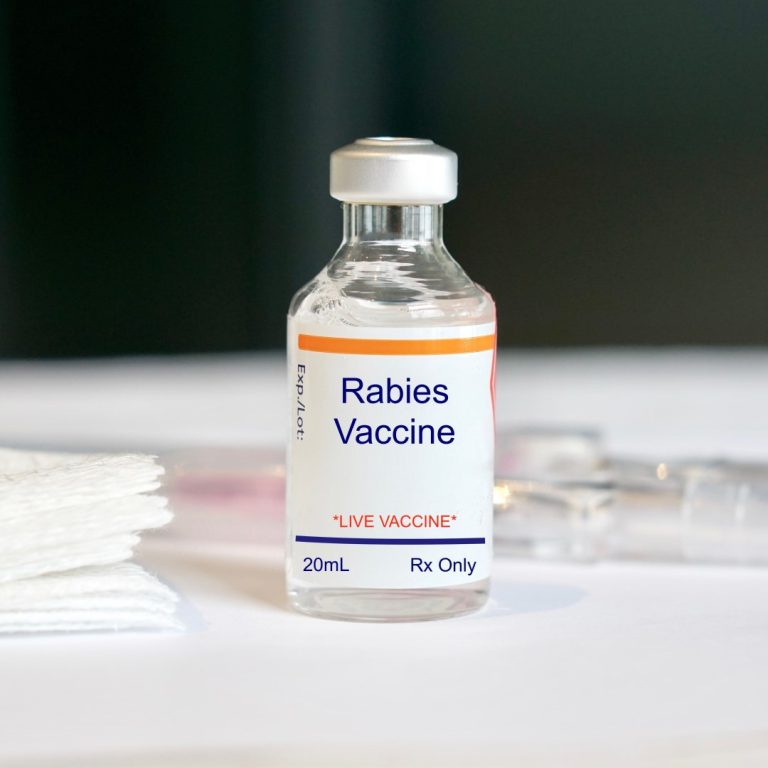
On Sept. 6, 1940, Karl Habel produced an improved, killed rabies vaccine that eliminated foreign brain tissue that…
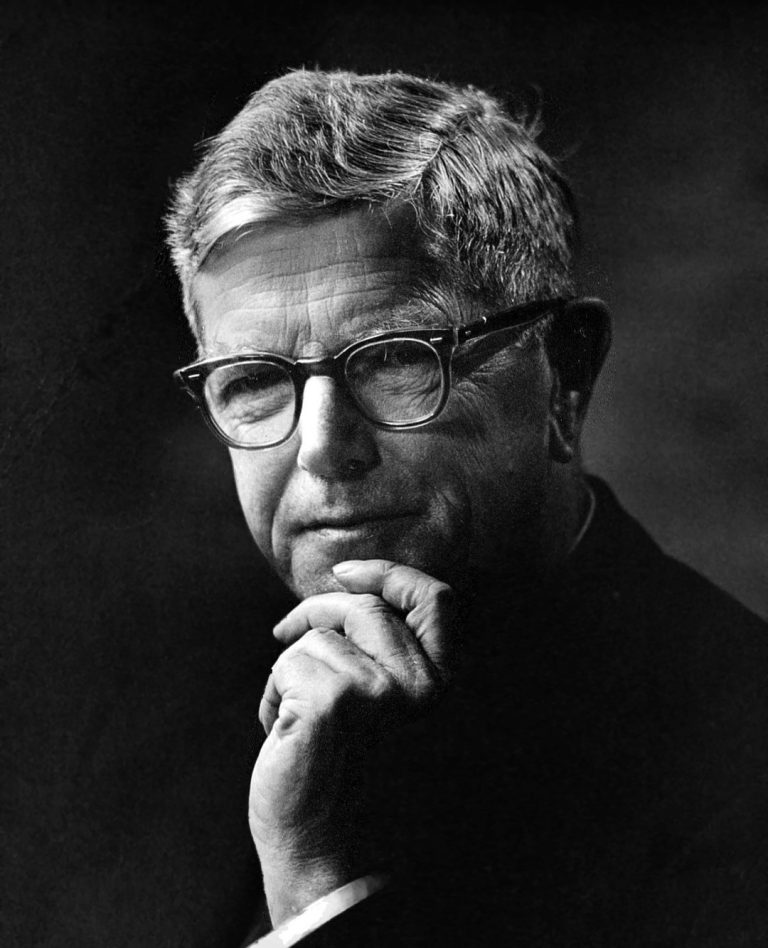
In 1936, Sir Macfarlane Burnet discovered that influenza virus could be grown in embryonated hens’ eggs. This led…
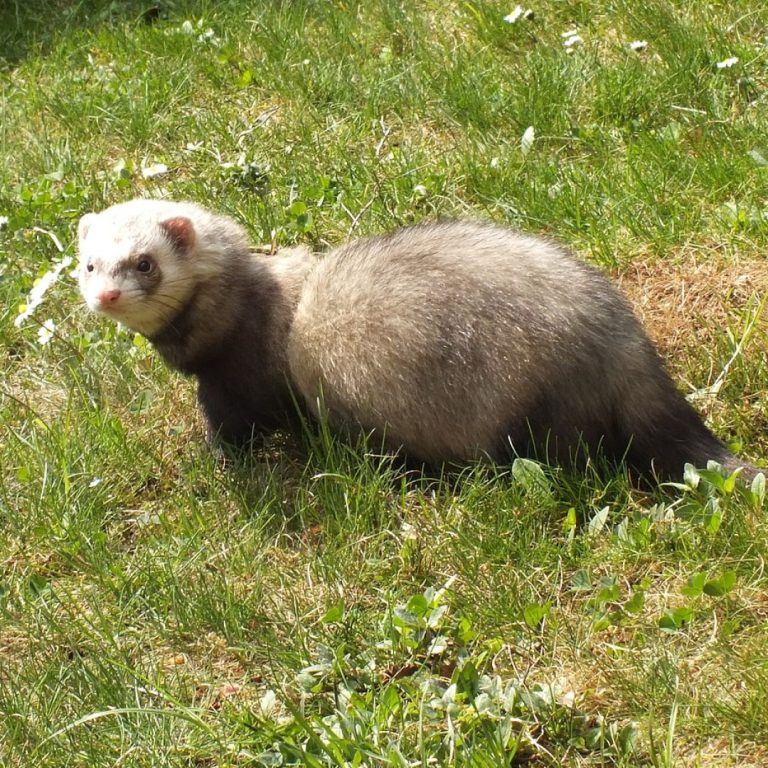
On Jul. 8, 1933, Christopher Andrewes, Laidlaw and W Smith from the Medical Research Council (MRC) reported that…
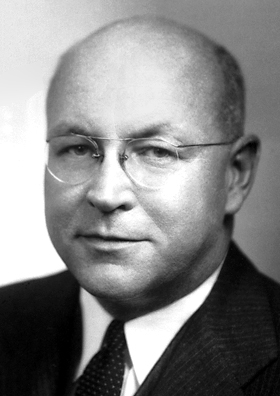
In 1933, Wendell Stanley purified a sample of tobacco mosaic virus (TMV) and finds crystals. This suggested, contrary…
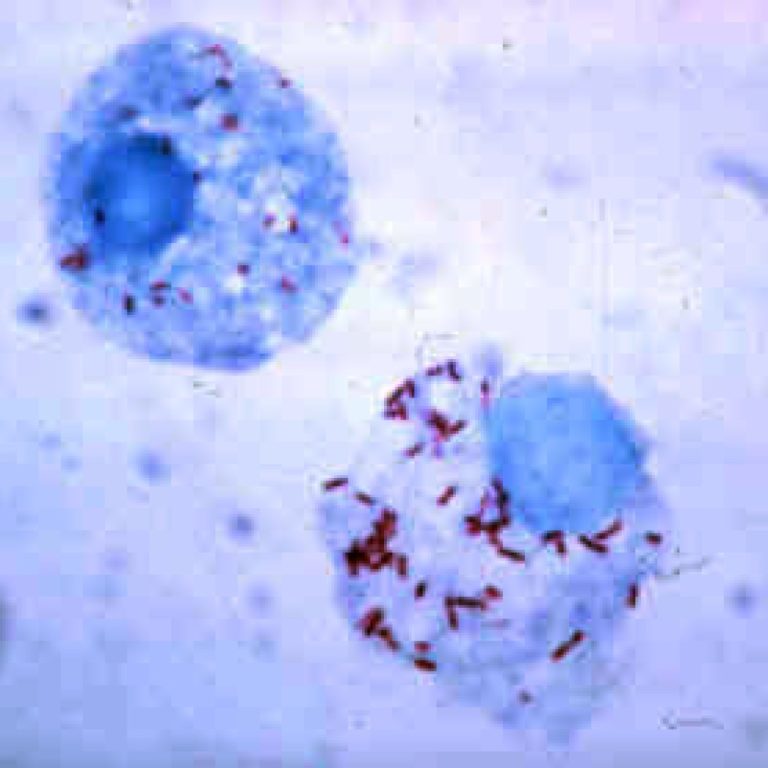
In 1930, Ralph Lillie demonstrated that the cause of psittacosis was a rickettsia-like organism (later placed in the…
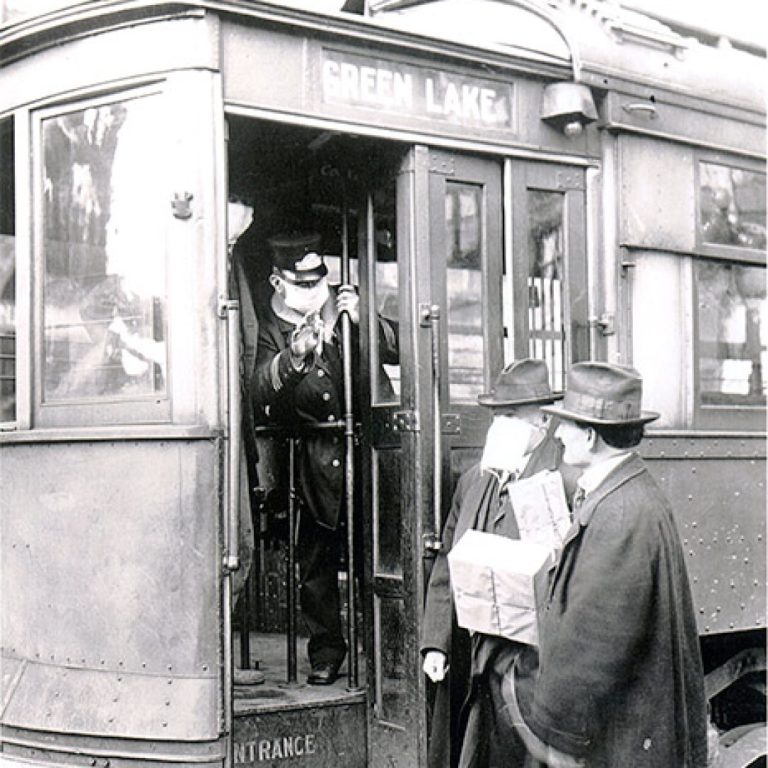
On Oct. 3, 1918, the Spanish Flu reached the state of Washington when Seattle newspapers reported that one…
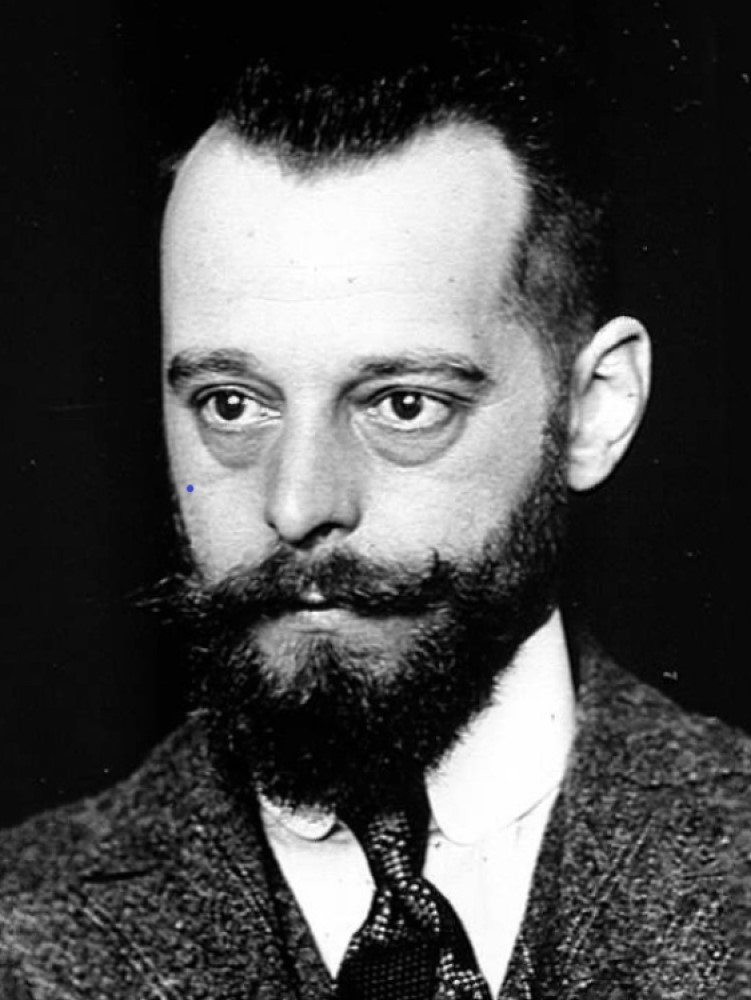
In 1916, French-Canadian bacteriologist Felix-Hubert D’Herelle discovered viruses that prey on bacteria and named them bacteriophages or bacteria…
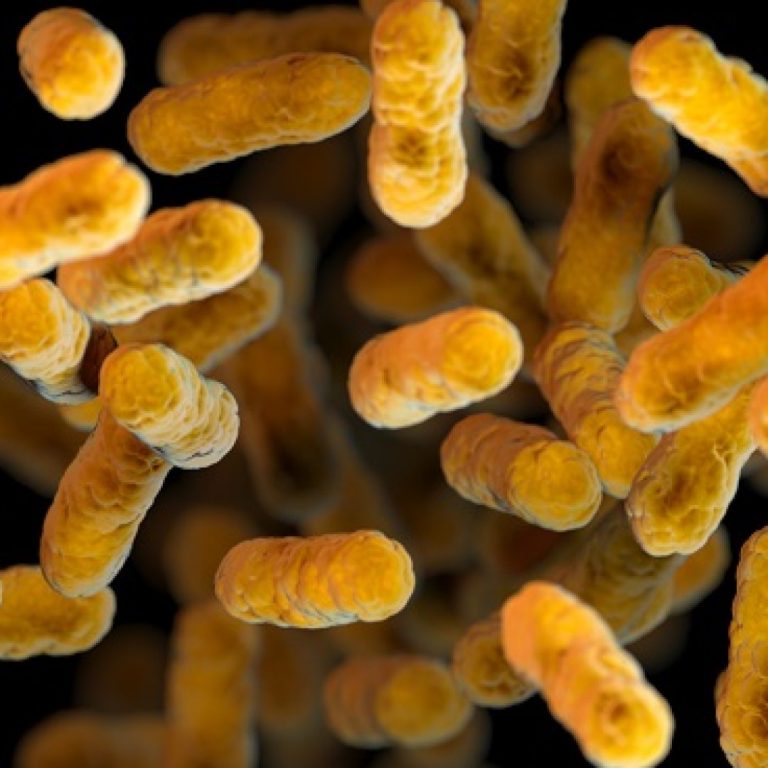
In 1915, Pertussis vaccine, a suspension of inactivated Bordetella pertussis cells, was licensed. Inactivated vaccines were prepared with…
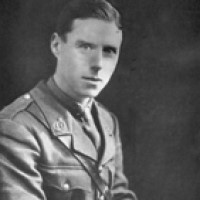
In 1914, Phages, or bacterial viruses, were discovered by Frederick Twort. He researched Johne’s disease, a chronic intestinal…
In 1913, for the first time ever, a virus (vaccinia) was grown in cell culture, and then in…
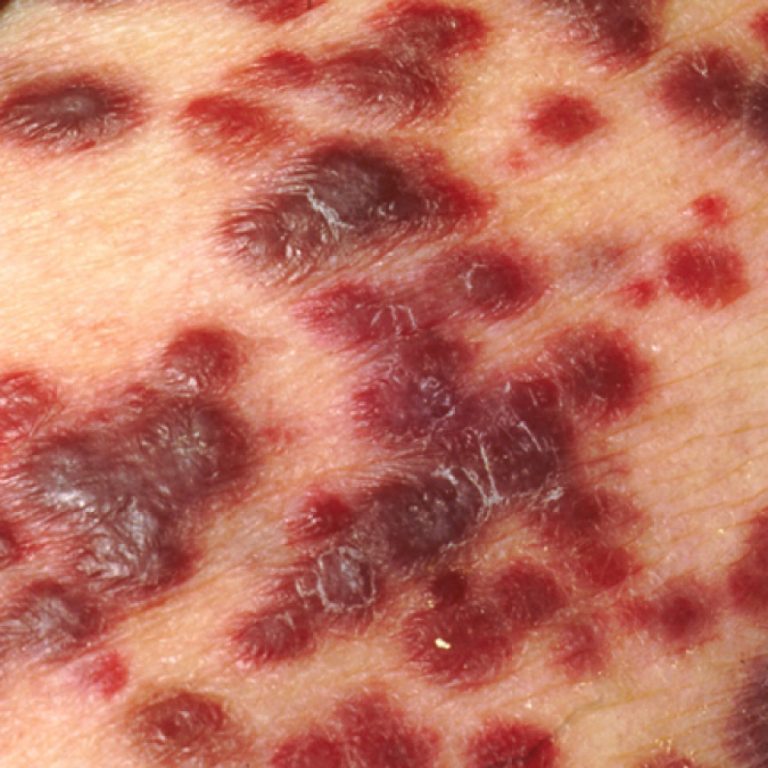
In 1911, Pathologist Peyton Rous reported a virus that causes cancer in chickens (Rous sarcoma virus) that opened…
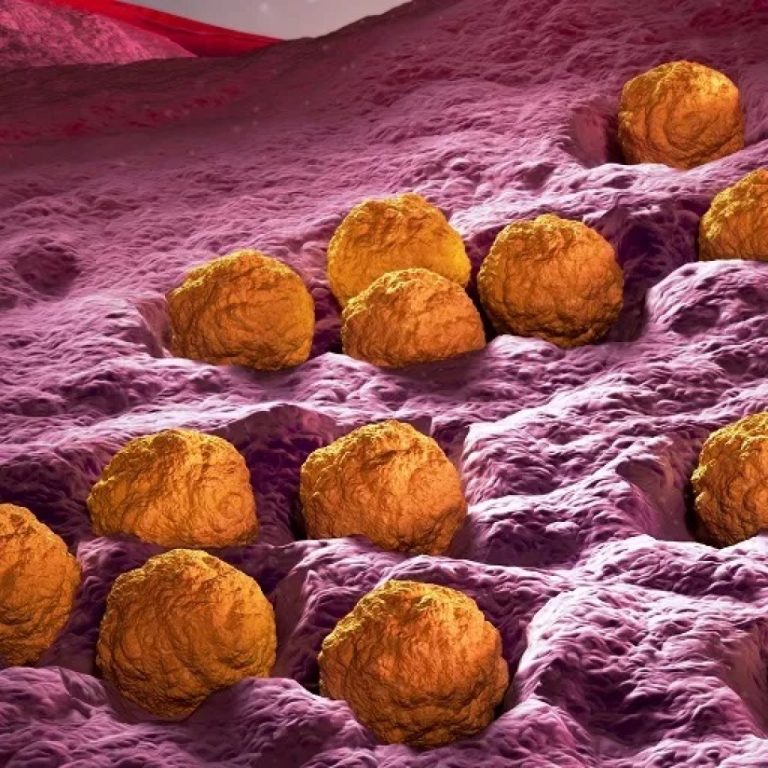
In 1911, John F. Anderson and Joseph Goldberger first transmitted measles (rubeola) to monkeys by contact Their study…