The CDC received FDA approval for a highly sensitive influenza PCR assay
In 2008, the U.S. Centers for Disease Control and Prevention (CDC) received U.S. Food and Drug Administration (FDA)…

In 2008, the U.S. Centers for Disease Control and Prevention (CDC) received U.S. Food and Drug Administration (FDA)…

In 2008, the Influenza Reagent Resource (IRR) was established by the Centers for Disease Control and Prevention (CDC)…
On Sept. 20, 2007, the U.S. Food and Drug Administration (FDA) approved use of FluMist nasal-spray influenza vaccine…

On Jun. 7, 2007, years before the COVID-19 pandemic swept across the globe, a group of about 100…

On Feb. 1, 2007, the Centers for Disease Control and Prevention (CDC) released its long-awaited disease containment strategy…

On Jan. 9, 2007, the U.S. Food and Drug Administration (FDA) announced it had approved a refrigerated form…
On Jan. 9, 2007, the Executive Committee of the Council of State and Territorial Epidemiologists approved an interim…
On Jan. 17, 2006, the Centers for Disease Control and Prevention (CDC) announced that it had stopped recommending…
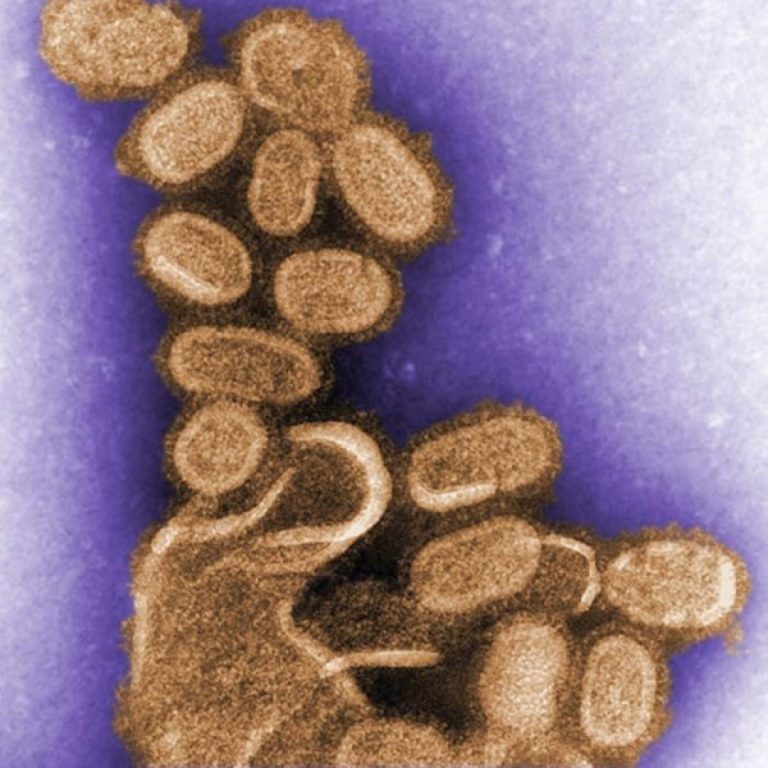
On Oct. 7, 2005, Jeffery Taubenberger, AH Reid, AE Krafft, Karen Bijwaard and Thomas Fanning published a report…

In 2005 and 2006, the White House Homeland Security Council outlined the National Strategy for Pandemic Influenza to…

On Aug. 25, 2004, a significant shortage of influenza vaccine occurred in the U.S. as a result of…

On May 27, 2004, the National Institute of Allergy and Infectious Diseases (NIAID) announced it had awarded contracts…

On Oct. 15, 2003, the Immunization Practices Advisory Committee (ACIP) voted to recommend that children 6 to 23…
On Jun. 17, 2003, the first nasally administered influenza vaccine (FluMist by MedImmune) was licensed. This live influenza…

On Jan. 1, 2003, the Advisory Committee on Immunization Practices (ACIP) encouraged that children 6 to 23 months…
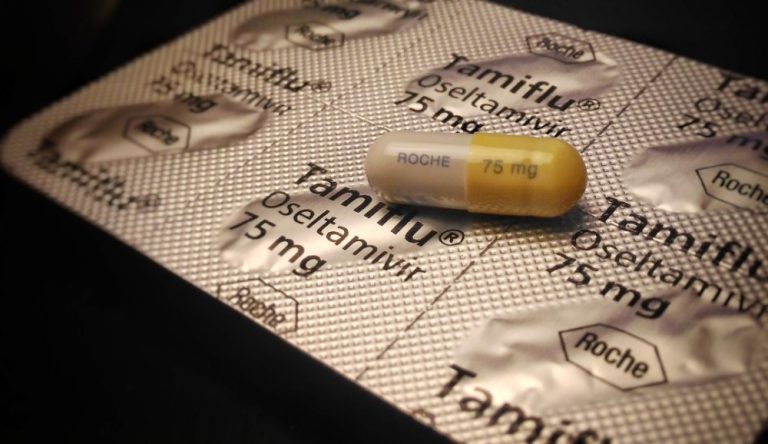
On Oct. 27, 1999, Hoffmann-La Roche and Gilead Sciences announced that Roche’s TAMIFLU (oseltamivir phosphate) had been approved…
On Oct. 27, 1999, Hoffmann-La Roche and Gilead Sciences announced that Roche’s TAMIFLU™ (oseltamivir phosphate) has been approved…

In April 1999, a pandemic planning framework was published by the World Health Organization (WHO) that emphasized the…

In 1997, FluNet, a global web-based tool for influenza virological surveillance was launched. It is a critical tool…
In 1994, Rimantadine, derived from amantadine, was approved by the Food and Drug Administration (FDA) to treat influenza…
On May 1, 1993, the costs of influenza vaccine and its administration became a covered benefit under Medicare…

On Dec. 13, 1990, the U.S. Food and Drug Administration (FDA) approved Haemophilus b Conjugate Vaccine (Meningococcal Protein…

On Oct. 4, 1990, the FDA approved the use of Haemophilus b Conjugate Vaccine (Diphtheria CRM 197 Protein…
In 1989, the U.S. Centers for Disease Control and Prevention (CDC) established a World Health Organization (WHO) collaborating…

On Apr. 12, 1985, the Haemophilus influenzae type b (Hib) polysaccharide vaccines (b-CAPSA 1 by Praxis Biologics, Hib-VAX…

In 1981, the U.S. Centers for Disease Control and Prevention (CDC) began collecting reports of influenza outbreaks from…

On Oct. 13, 1976, the swine flu vaccination program in the U.S. was suspended following reports of paralysis. …

In 1976, Influenza A/Victoria-like strains had been identified in New Jersey as early as January 21. The novel…

In 1970, influenza H3N2 viruses were first identified in swine during an influenza surveillance study in Taiwan. This…
The 1968 pandemic, also known as the Hong Kong flu, was caused by an influenza A (H3N2) virus…