Researchers announced they had decoded human chromosomes 5, 16, and 19
In 2000, researchers from Lawrence Berkeley, Lawrence Livermore, and Los Alamos national laboratories at the Joint Genome Institute…
In 2000, researchers from Lawrence Berkeley, Lawrence Livermore, and Los Alamos national laboratories at the Joint Genome Institute…
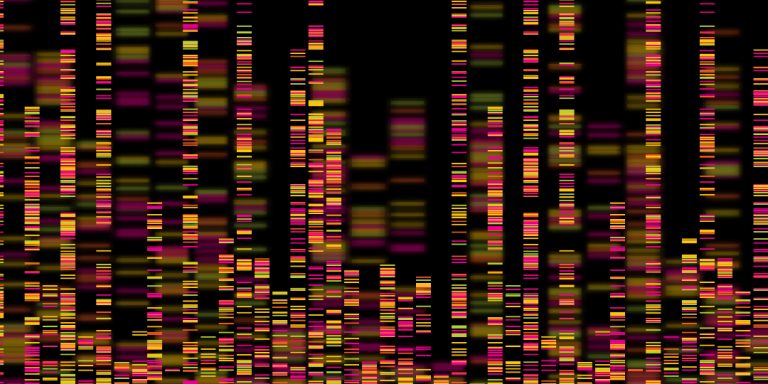
On Dec. 2, 1999, an international team of researchers at the Sanger Centre near Cambridge, England; University of…
On Nov. 15, 1996, for the first time, scientists pinpointed the location of a gene they believe is…

In Oct. 1995, 70 scientists from 20 countries met in Lexington, Kentucky to make a plan for mapping…
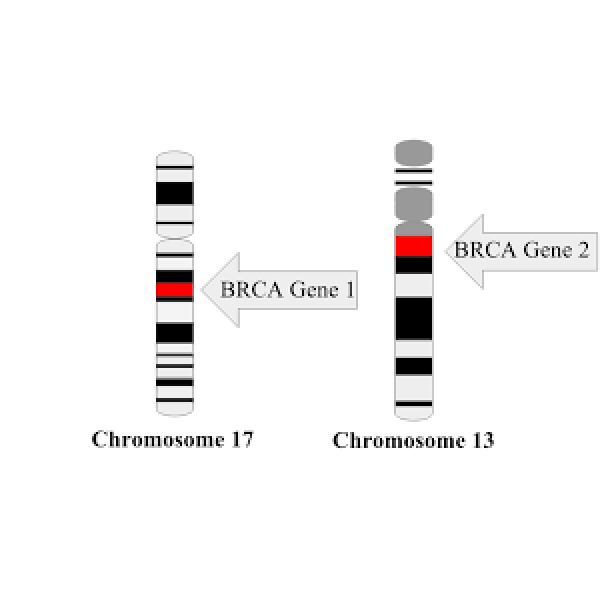
In 1995, the BRCA2 gene was mapped to chromosomal 13q. Just fifteen months later, Wooster et al. reported…
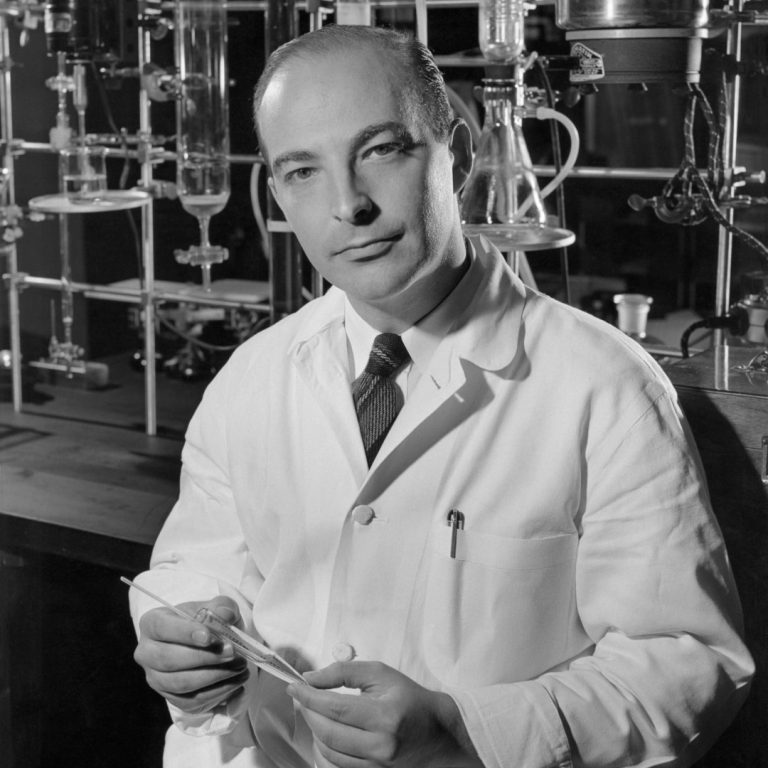
On Oct. 22, 1990, scientists from Stanford University led by Arthur Kornberg announced they had discovered a chemical…
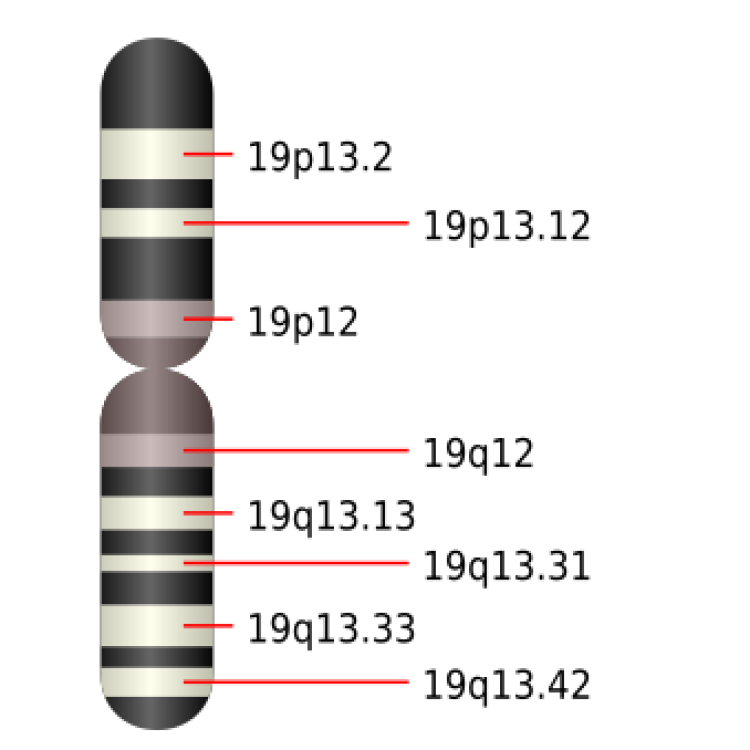
In 1987, Livermore biomedical researchers began studying human chromosome 19. At the same time, Los Alamos began efforts…

On Oct. 11, 1985, scientists in Canada and Massachusetts reported discovering the first genetic marker for the widespread…
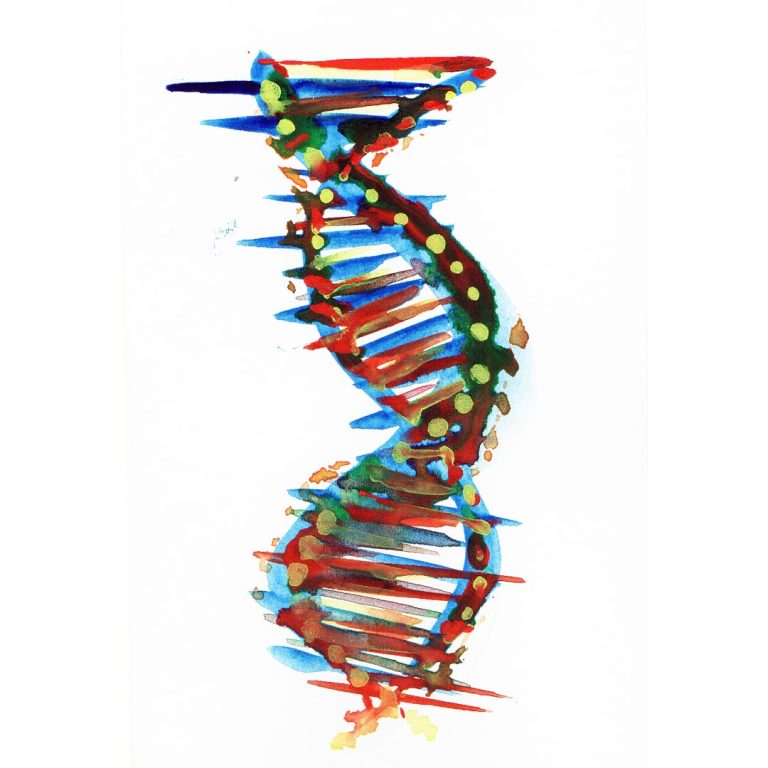
In 1984, Lawrence Livermore National Laboratory researchers published their solution to chromosome painting that has been widely adopted….

In 1980, the Nobel Laureate in Chemistry was awarded jointly to Frederick Sanger and Walter Gilbert for “for…
In 1975, Caltech President David Baltimore, former Caltech faculty member and Salk Institute researcher Renato Delbucco, and Caltech…
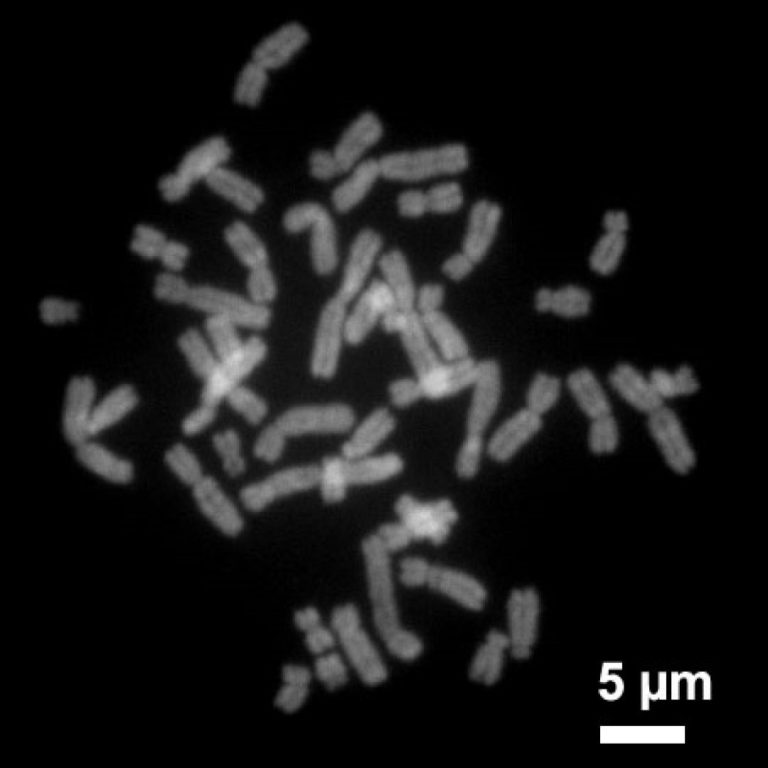
In 1972, Livermore was the first to use flow cytometry to sort chromosomes. By the end of the…
In 1960, University of California Radiation Laboratory (Livermore) researchers, in a groundbreaking application of computers to study biology,…

On Dec. 22, 1955, Dr. Joe Hin Tjio defined 46 as the exact number of human chromosomes. Tjio, an…
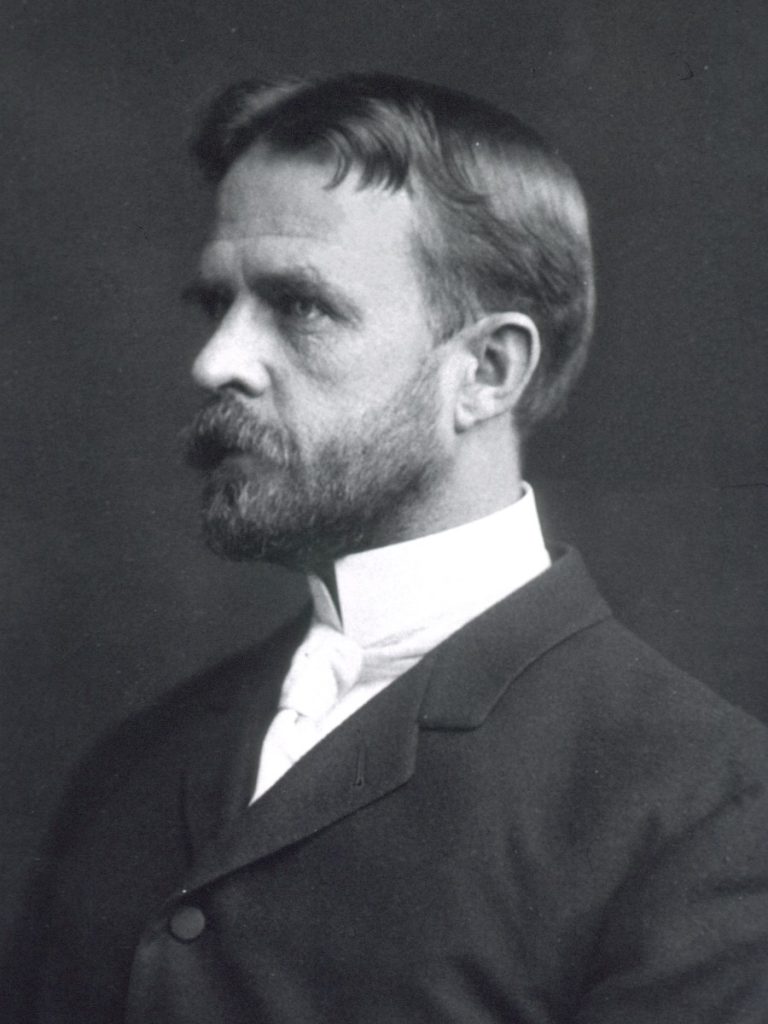
In 1933, Thomas Hunt Morgan was was awarded the Nobel Prize in Physiology or Medicine for his chromosome…
On Apr. 18, 1905, William Bateson coined the term genetics in a letter written to Adam Sedgewick, Cambridge…

In 1882, german biologist Walter Fleming discovered chromatin, the rodlike structures inside the cell Fleming discovers chromatin, the…

In 1879, German biologist Walter Fleming stains chromosomes to observe them clearly and describes the process of mitosis.
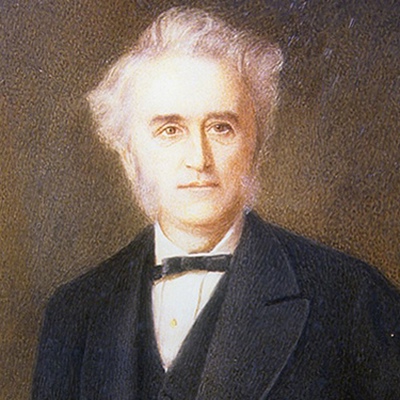
In 1866, John Langdon Down, a British doctor, described what is now known as “Down syndrome” named after…