Stanford Medicine researchers isolated the genome of a virus that causes hepatitis B and a common form of liver cancer
In 1974, Stanford Medicine researcher William S. Robinson successfully isolated the genome of the hepatitis B virus, which is…
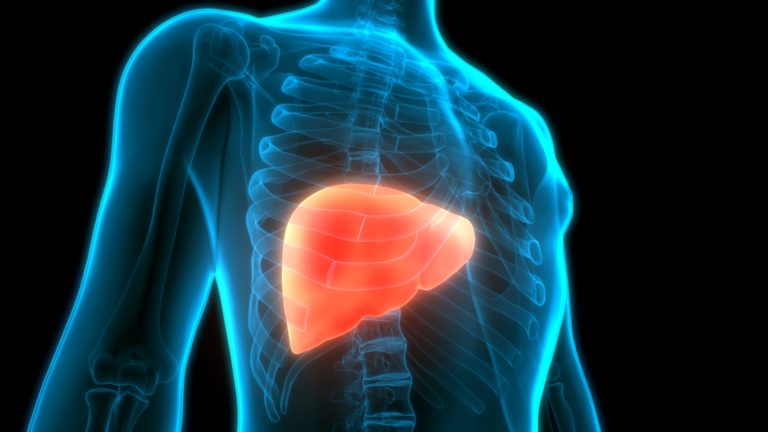
In 1974, Stanford Medicine researcher William S. Robinson successfully isolated the genome of the hepatitis B virus, which is…
In 1974, Yale Cancer Center received a National Cancer Institute (NCI) designated comprehensive cancer center status, the only…
In 1974, the Georgetown University Medical Center authorized the establishment of a cancer center named in honor of…
In 1974, the U.S. Centers for Disease Control and Prevention (CDC) began investigating liver cancer deaths in Louisville,…
In 1974, the Northwestern University Cancer Center was founded. Now known as the Lurie Cancer Center, it is…
In 1974, The Massachusetts Institute of Technology (MIT) Center for Cancer Research (CCR) received National Cancer Institute (NCI)…

In 1974, the Michigan Cancer Foundation and Wayne State University formed a Joint Committee for Cancer Studies and…
In 1974, the Cancer Center of Wake Forest University (CCCWFU), became a National Cancer Institute (NCI)-designated cancer center….
On Jun. 20, 1971, National Cancer Institute director Dr. Frank J. Rauscher, Jr., announced that eight institutions were…
In 1973, the Comprehensive Cancer Center for the State of Florida was founded. The Center, now the Sylvester…
In 1973, the Norris Cancer Center was designated a National Cancer Institute (NCI) Comprehensive Cancer Center, one of…
In 1973, the Norris Comprehensive Cancer Center, now the University of Southern California Kenneth Norris Jr. Cancer Center…
In 1973, The Salk Cancer Center received a National Cancer Institute comprehensive cancer center designation. it was one…
In 1973, UChicago established the University of Chicago Comprehensive Cancer Center (UCCCC), receiving its initial designation as a…
In 1973, the Michigan Cancer Foundation’s cancer registry was invited to join the National Cancer Institute’s (NCI) Surveillance,…
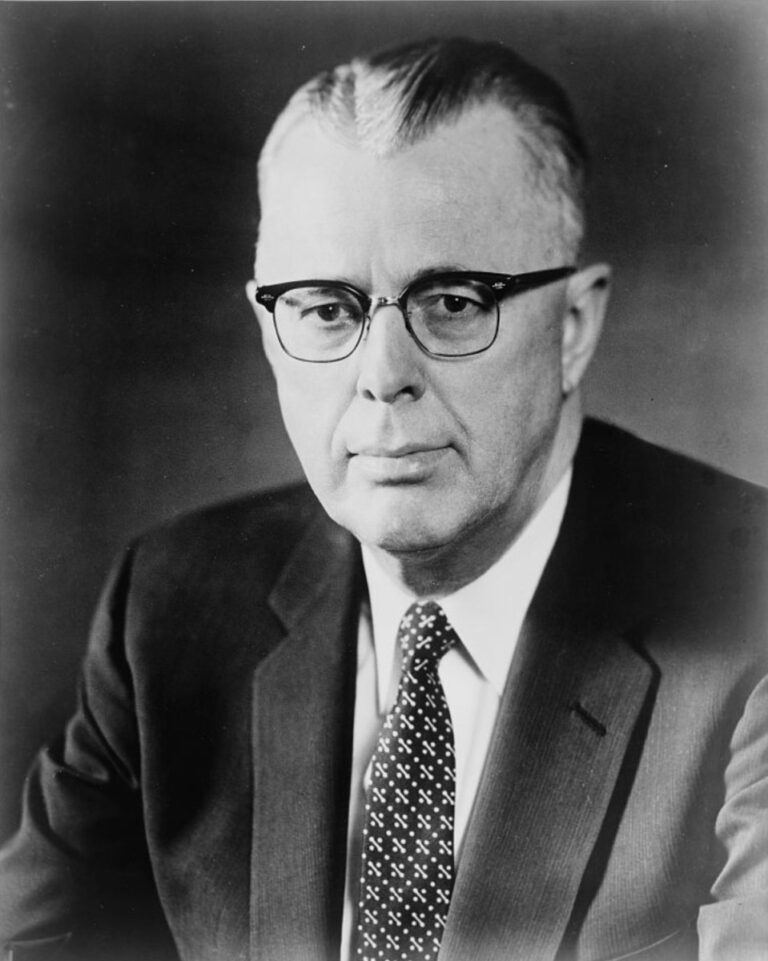
In 1973, Senator Norris Cotton secured a second federal grant of $500,000 to support cancer research at Geisel…

In 1973, Bristol-Myers introduced several early medicines, beginning with BLENOXANE (bleomycin sulfate) for squamous cell cancers, head and…

In 1973, Penn Medicine’s Cancer Center was formally established by a dedicated group of cancer specialists committed to…
In 1973, the University of Wisconsin Carbone Cancer Center received National Cancer Center designation from the National Cancer…
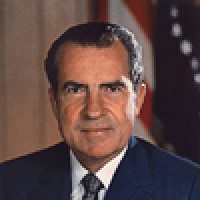
On Jun. 30, 1972, five U.S .cancer scientists met with Russian scientists in Moscow to exchange information on…
In 1972, by action of the Nebraska Legislature, the Eppley Cancer Center became an independent research institute with…
In 1972, The Albert Einstein Cancer Center (AECC), now known as Montefiore Einstein Comprehensive Cancer Center (MECCC), obtained…
In 1972, Roswell Park received NCI Comprehensive Cancer Center designation in 1972 and was the first institution in…
In 1972, Drs. Roy Hertz and Min C. Li, National Cancer Institute scientists, credited with discovering the first…

In 1972, the Florida Sea Grant was established as a partnership of academia, government, and industry focused on…
In 1972, the Duke Comprehensive Cancer Center, now known as the Duke Cancer Institute (DCI), was established in…
On Dec. 23, 1971, President Richard M. Nixon converted the Army’s former biological warfare facilities at Ft. Detrick,…
On Dec. 23, 1971, the National Cancer Act enacted by President Richard Nixon as part of the nation’s…
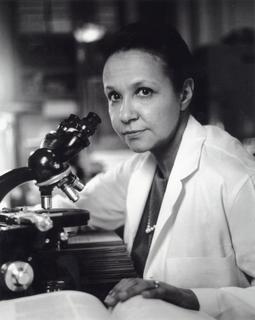
In 1971, Jane Wright became the first woman to be elected president of the New York Cancer Society. In…
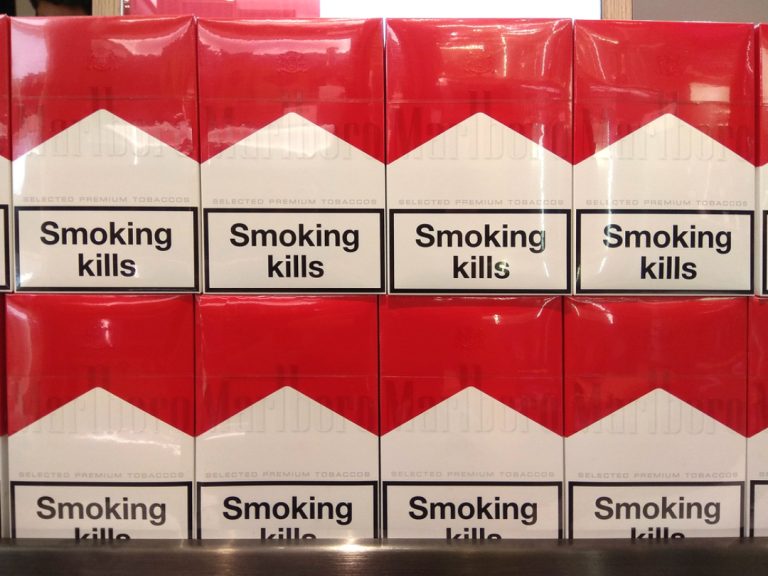
On May, 24, 2023, Centers for Disease Control and Prevention (CDC) reported that nearly 12 of every 100…