Brain cells can harbor and spread HIV virus to the body
On Jun. 11, 2020, researchers have found that astrocytes, a type of brain cell can harbor HIV and…
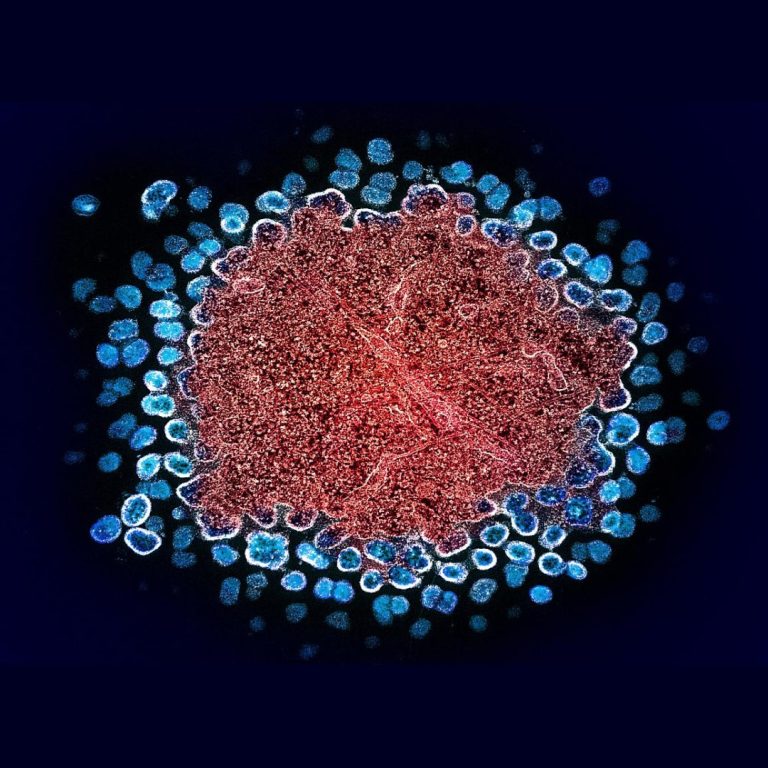
On Jun. 11, 2020, researchers have found that astrocytes, a type of brain cell can harbor HIV and…
On Jun. 8, 2020, Evotec announced that its Seattle-based subsidiary Just – Evotec Biologics had entered into an…
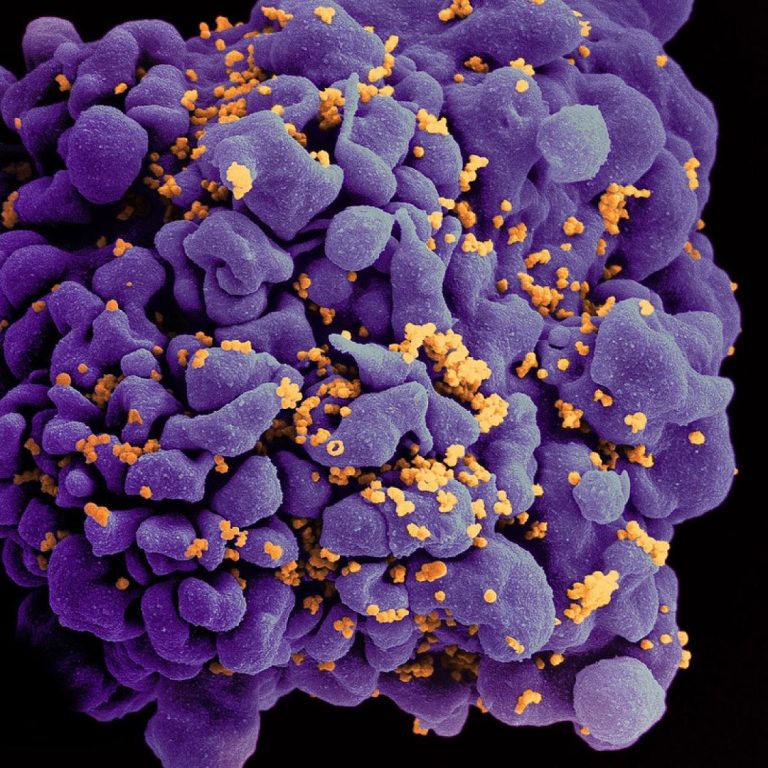
On Mar. 16, 2020, the Hormel Institute, University of Minnesota announced published research concerning remnants of ancient viruses…
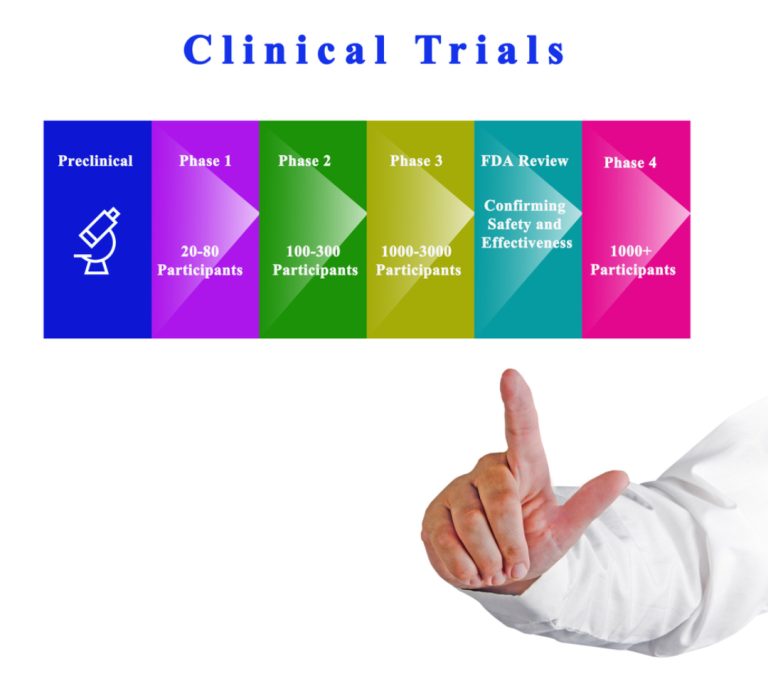
On Mar. 11, 2020, the antiretroviral drugs dolutegravir and emtricitabine/tenofovir alafenamide fumarate (DTG+FTC/TAF) may comprise the safest and…
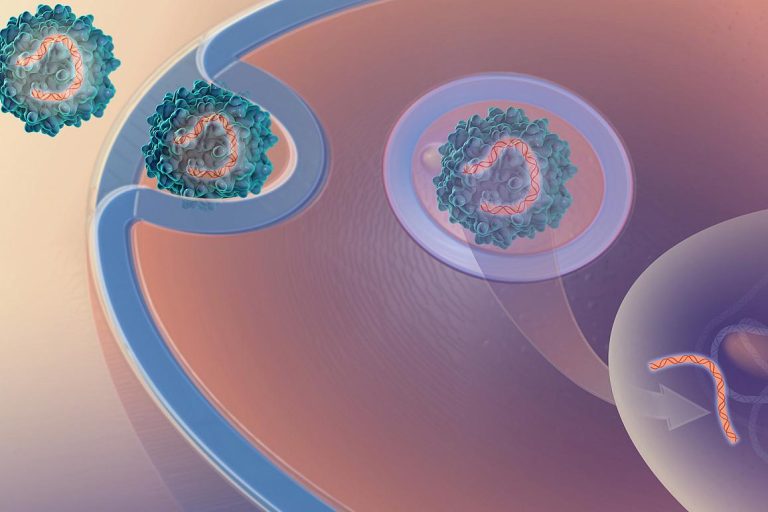
On Mar. 9, 2020, researchers from the National Institute of Allergy and Infectious Diseases (NIAID), part of the…
On Nov. 6, 2019, Abbott announced that a team of its scientists identified a new subtype of the…

On Mar. 14, 2006, Providence Health & Services and the Institute for Systems Biology (ISB) announced an affiliation…

On May 31, 2015, the New England Primate Research Center (NEPRC) announced that it intended to wind down…
On Sept. 3, 2014, Oregon Health & Science University (OHSU) announced it had been awarded a $25 million…
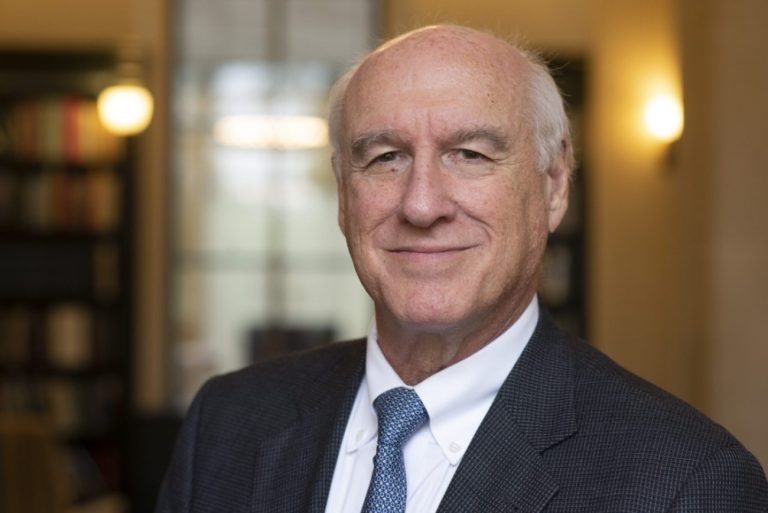
On Oct. 22, 2013 Myron Cohen received the North Carolina Award for Science. Dr. Cohen is a University…
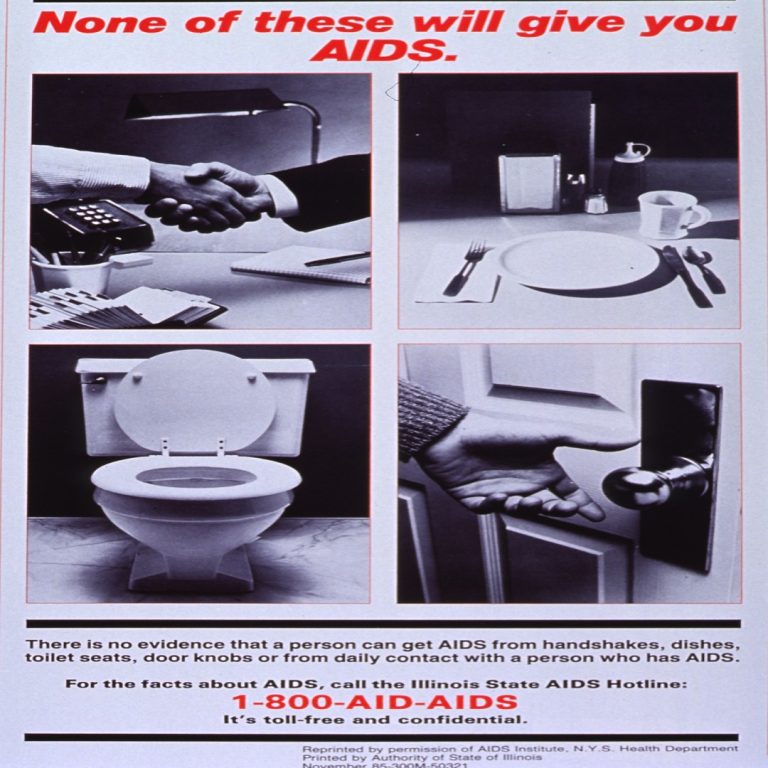
On Jun. 5, 1981, Dr. Michael Gottlieb and colleagues of University of California at Los Angeles reported a…
On Mar. 10, 2010, National Women and Girls HIV/AIDS Awareness Day (NWGHAAD) was established as a nationwide initiative…
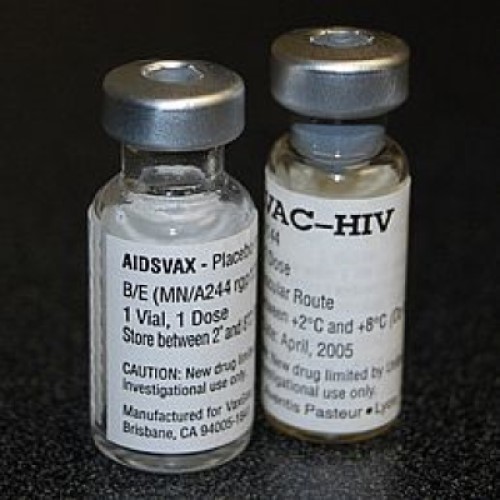
On Sept. 24, 2009, the second Phase III HIV-1 vaccine trial, also known as RV144, that began in…
On Mar. 16, 2005, University of California, Los Angeles (UCLA) officials announced the formation of the Institute for…
On May 25, 2004, researchers at the Vaccine and Gene Therapy Institute (VGTI) and the Oregon National Primate…
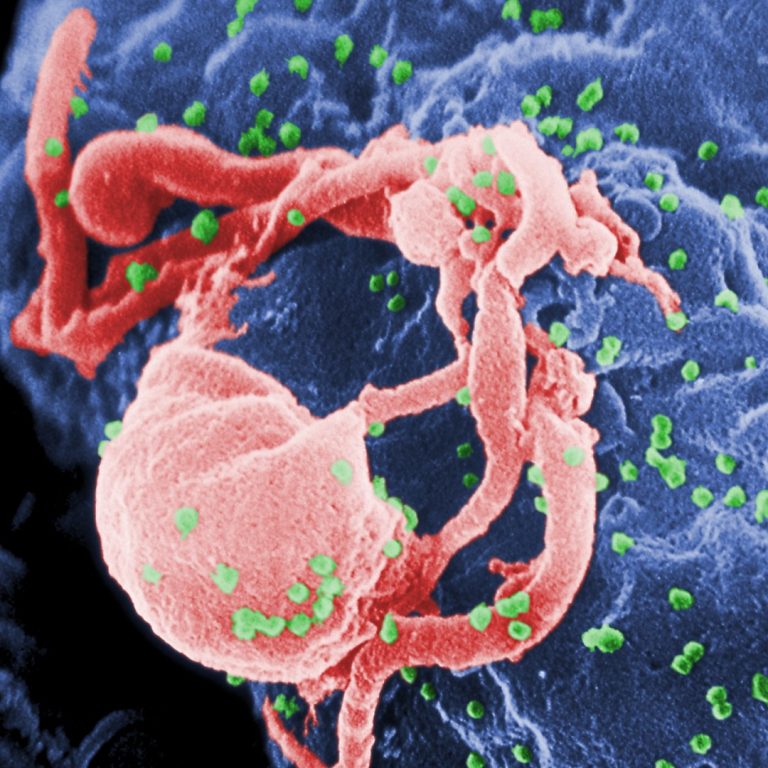
On Sept. 29, 2003, $81 million was awarded by National Institute of Allergy and Infectious Diseases (NIAID) through…
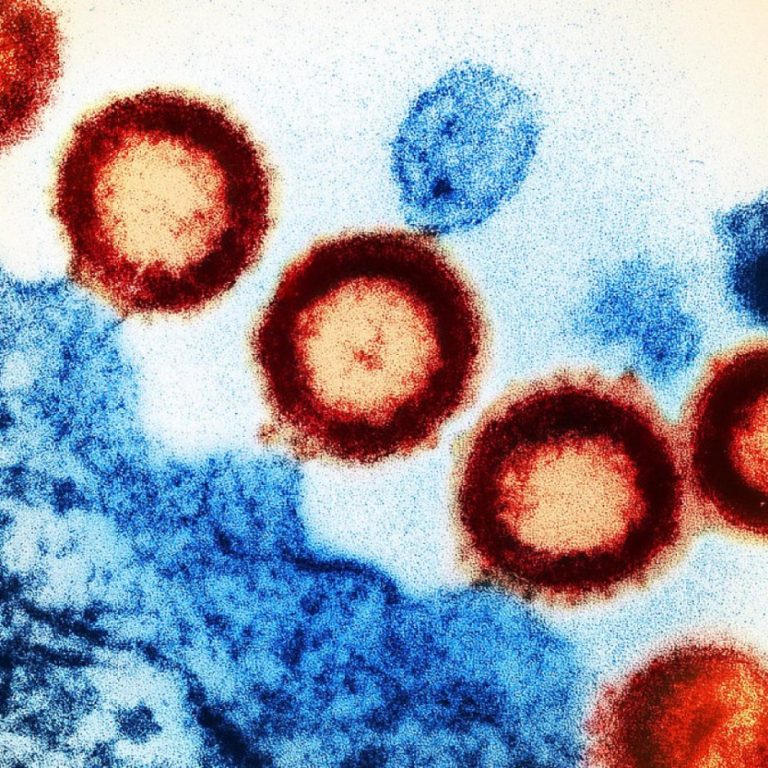
On February 24 2003, VaxGen announced that AIDSVAX B/B did not prove effective in the trials conducted in…
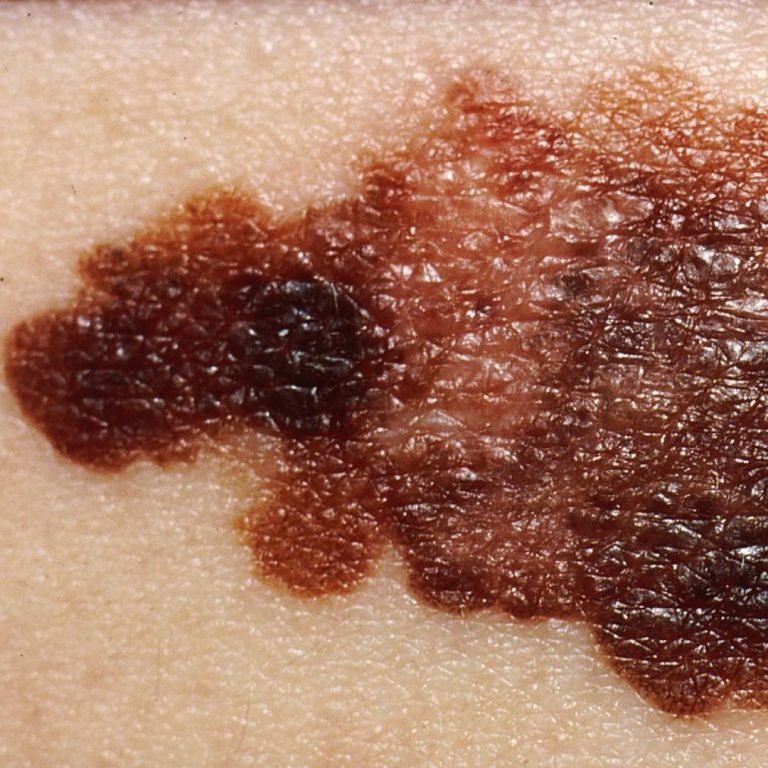
On Sept. 19, 2002, a new approach to cancer treatment that replaced a patient’s immune system with cancer-fighting…
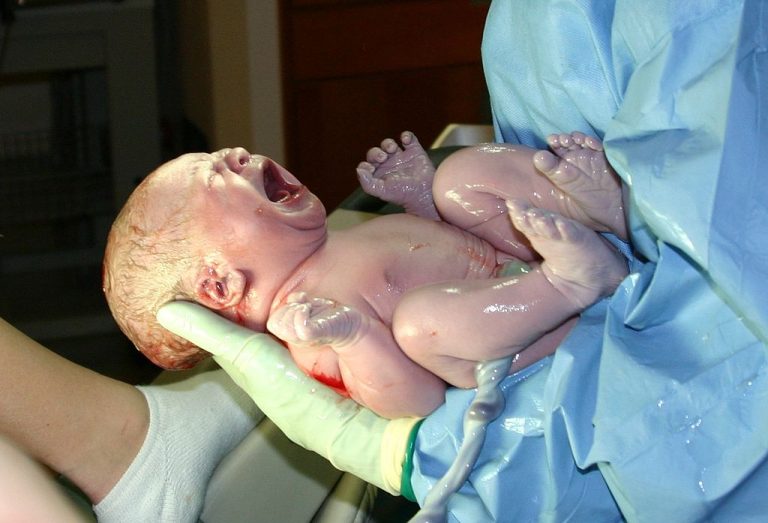
On Jul. 9, 2002, the U.S. Centers for Disease Control and Prevention (CDC) reported newborn HIV infection reductions…

In 2002, Stanford geneticist Mark Kay uses a gene-therapy technique known as RNA inhibition to switch off genes…
On May 25, 2000, the National Institute of Allergy and Infectious Diseases (NIAID) announced funding of nine U.S….
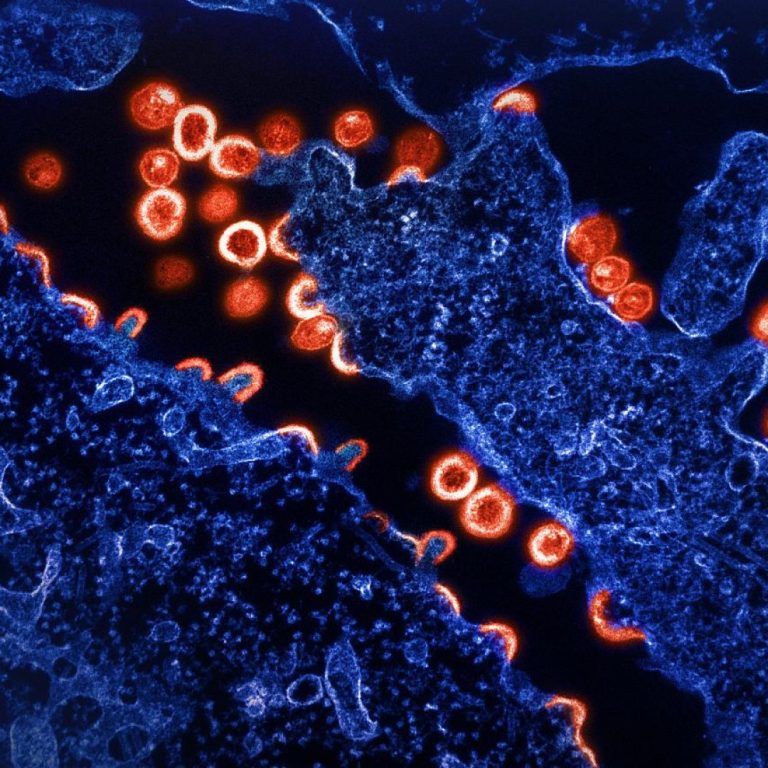
On Apr. 1, 2000, the Centers for Disease Control and Prevention (CDC) announced the IV-infection surveillance case definition was…
On Jan. 1, 1999, HIV infection in adults (clients 13 years of age or older) became reportable by…
On Jun. 18, 1996, the International AIDS Vaccine Initiative (IAVI) was launched, calling for the speedy development of…
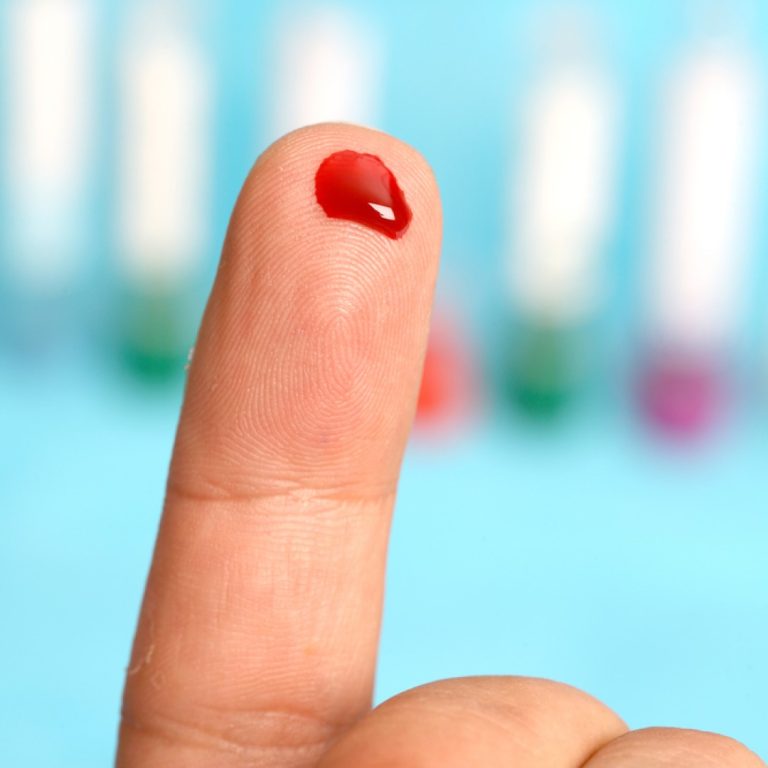
On Mar. 14, 1996, the U.S. Food and Drug Administration (FDA) announced the approval of the first antigen…
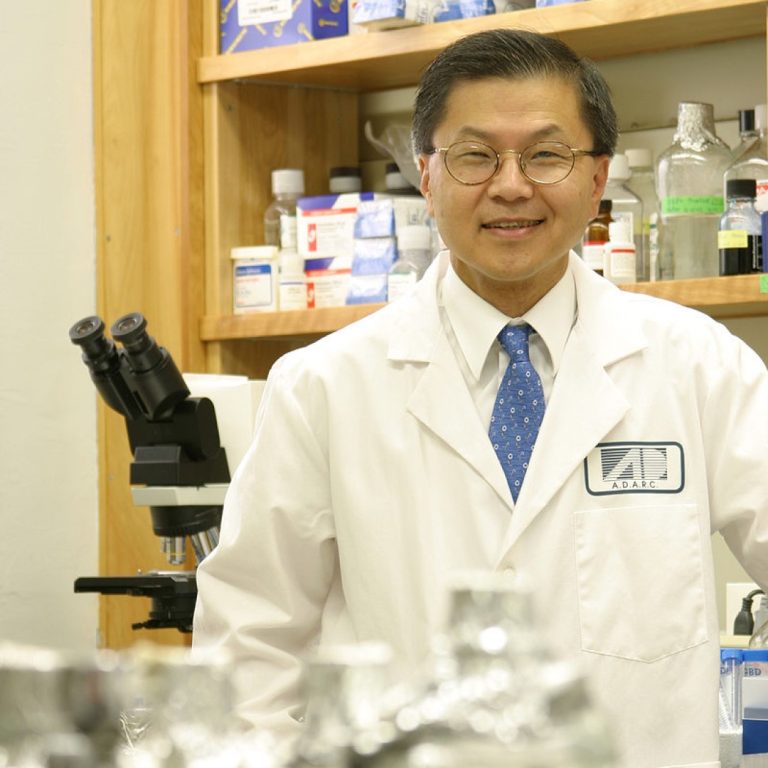
In 1995, AIDS researcher David D. Ho from the The Rockefeller University unlocked HIV replication that led to…

In 1995, the Public Health Service (PHS) published guidelines for zidovudine (ZDV) used to reduce perinatal human immunodeficiency…
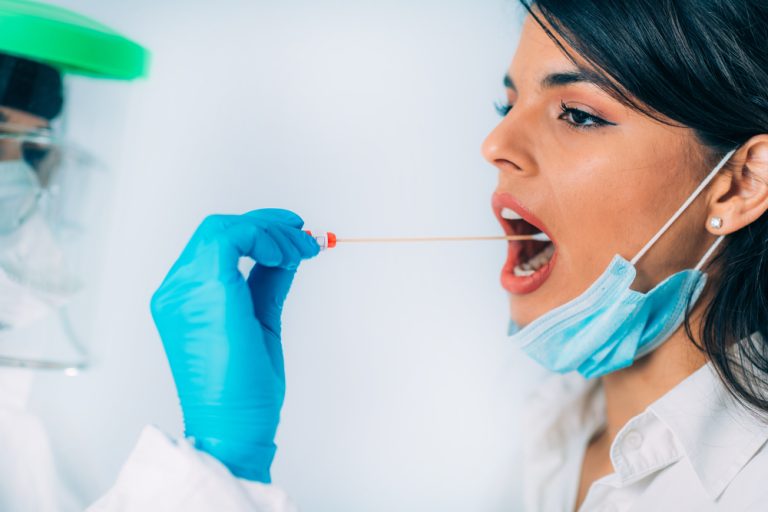
On Dec. 23, 1994, the FDA announced the approval of the first U.S. HIV test system using oral…
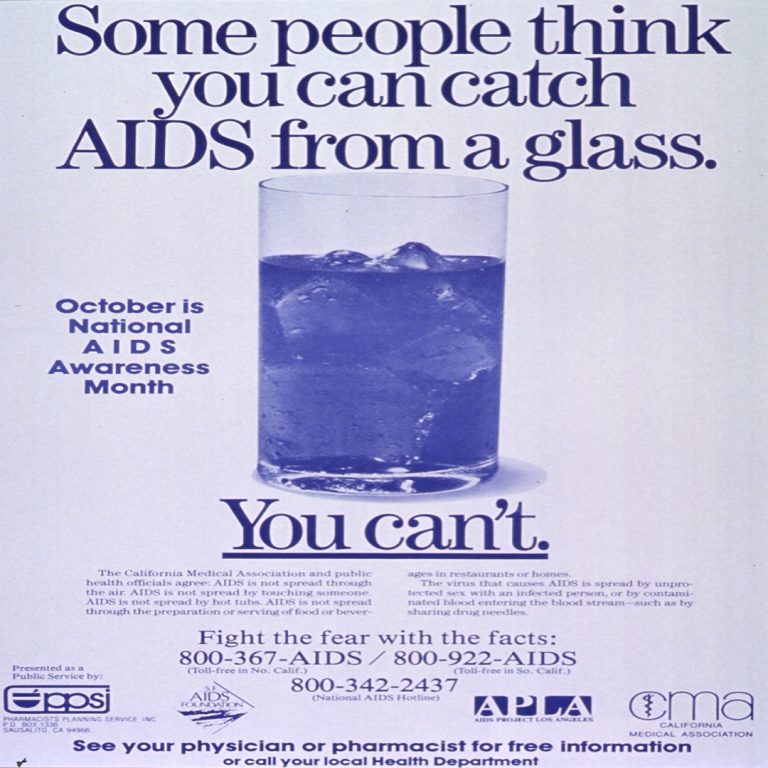
In 1993, Cook County Hospital’s HIV/AIDS clinic was re-named the Sable/Sherer Clinic. The clinic treated one-third of Cook…
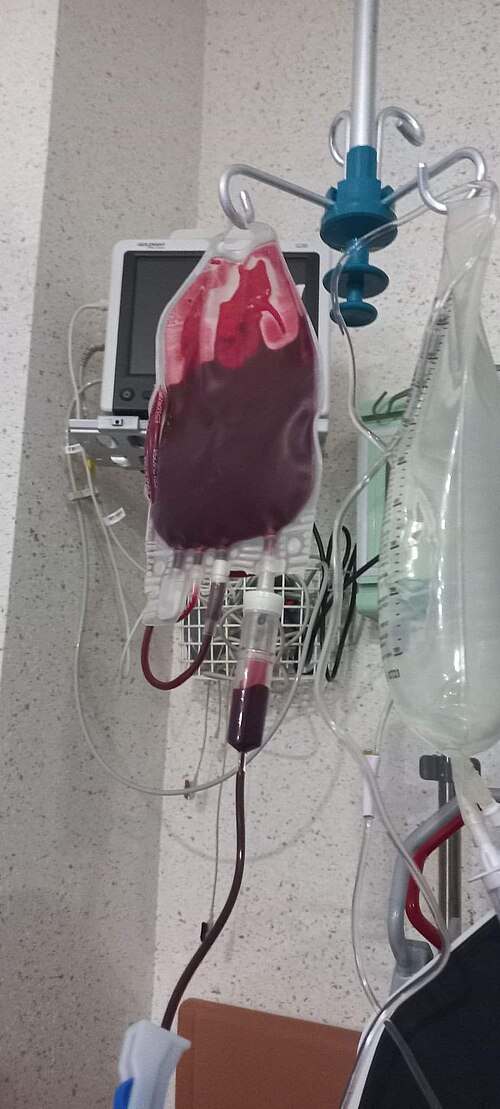
On Jun. 1, 1992, the Food and Drug Administration (FDA) recommended that all donated blood be screened for…