Stanley B. Prusiner awarded the Nobel Prize in Medicine
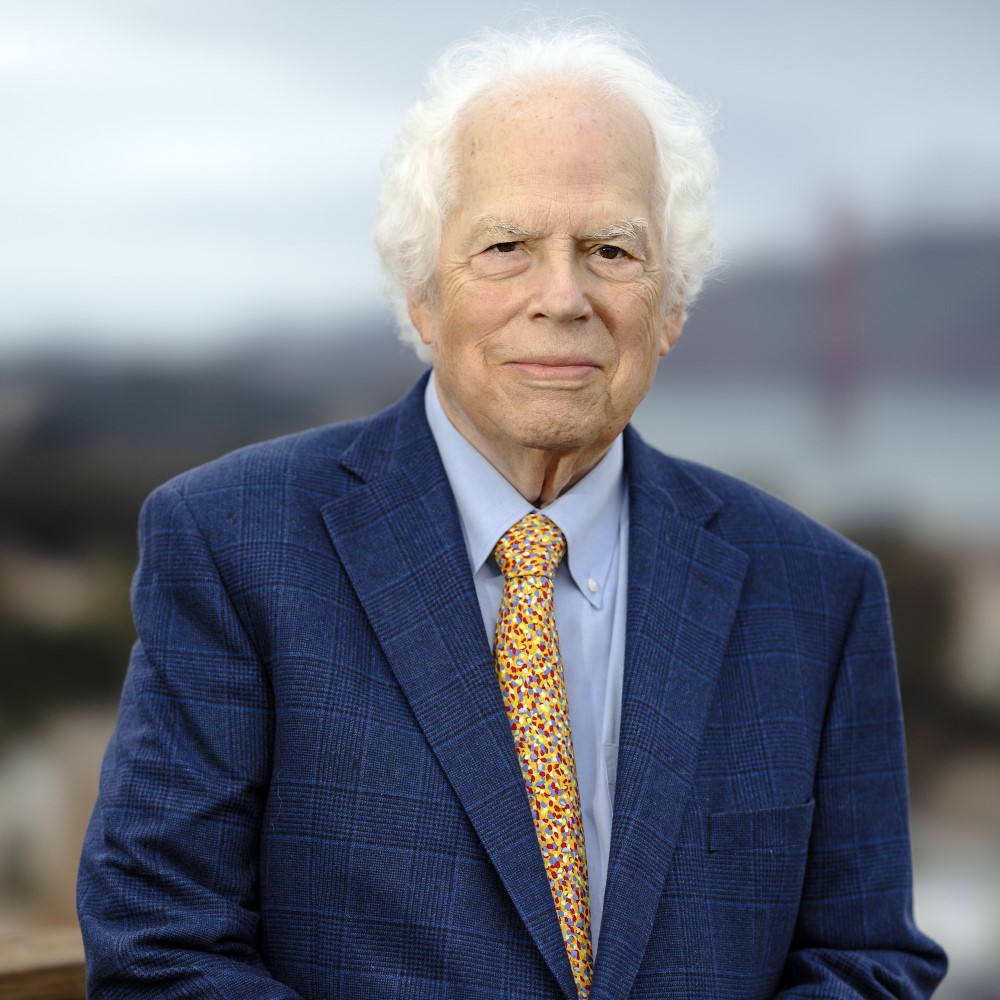
On Oct. 6, 1997, Stanley B. Prusiner, MD, was awarded the Nobel Prize for Medicine ‘for his discovery of Prions’ – a new biological principle of infection. This new class of pathogen is now accepted as the infectious agent in “mad cow disease” and in human neurodegenerative diseases such as Creutzfeldt-Jakob disease.
Prusiner has added prions to the list of well known infectious agents including bacteria, viruses, fungi and parasites. Prions exist normally as innocuous cellular proteins, however, prions possess an innate capacity to convert their structures into highly stabile conformations that ultimately result in the formation of harmful particles, the causative agents of several deadly brain diseases of the dementia type in humans and animals.
Prusiner’s pioneering work has opened new avenues for understanding the pathogenesis of more common dementia-type illnesses. For example, there are indications that Alzheimer’s disease is caused when certain, non-prion, proteins undergo a conformational change that leads to the formation of harmful deposits or plaques in the brain. Prusiner’s work has also established a theoretical basis for the treatment of prion diseases. It may be possible to develop pharmacological agents that prevent the conversion of harmless normal prion proteins to the disease-causing prion conformation.
Tags:
Source: The Nobel Foundation
Credit: Photo: Courtesy: The Nobel Foundation.