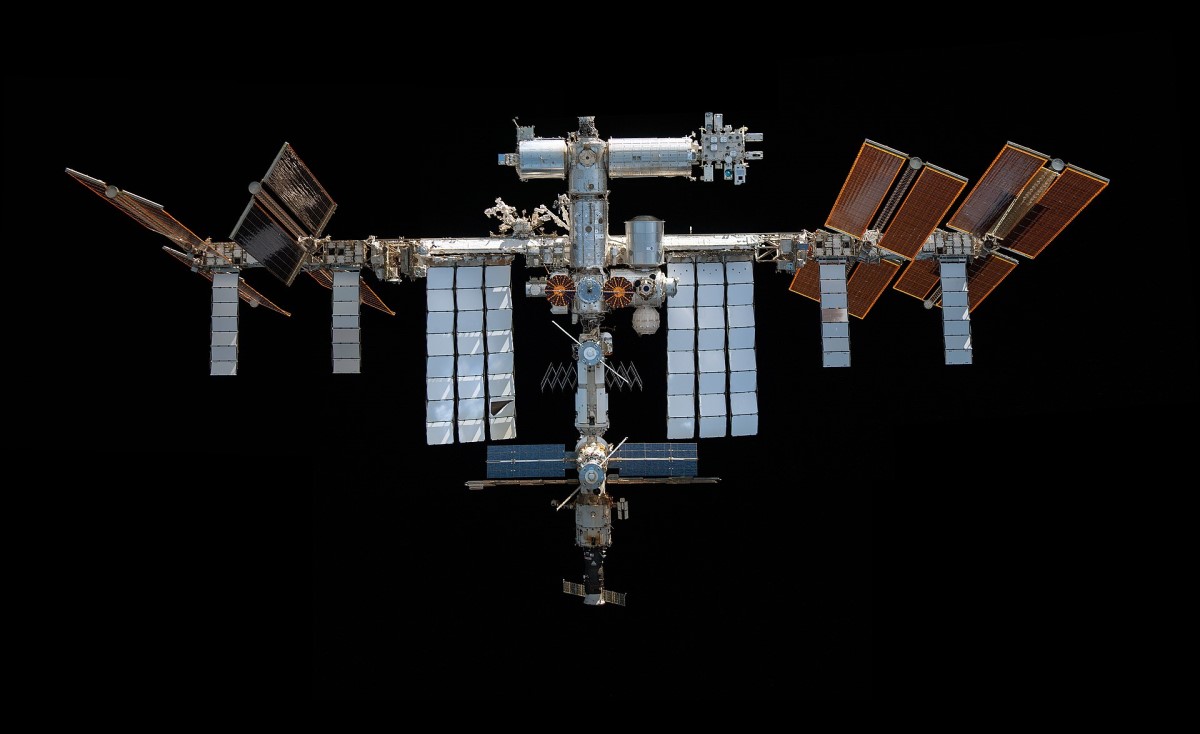
Spacestation astronauts successfully demonstrated DNA repair in space using CRISPR technology
On Aug. 27, 2021, National Aeronautics and Space Administration (NASA) Space station astronauts successfully demonstrated DNA repair in space using CRISPR technology.
As we explore beyond Earth, astronauts may be at risk for harmful DNA damage caused by ionizing radiation. Double-strand breaks are a type of DNA damage that can be repaired by two major cellular pathways: non-homologous end joining, during which insertions or deletions may be added at the break site, and homologous recombination, in which the DNA sequence often remains unchanged.
Previous work suggests that space conditions may impact the choice of DNA repair pathway, potentially compounding the risks of increased radiation exposure during space travel. However, our understanding of this problem has been limited by technical and safety concerns, which have prevented integral study of the DNA repair process in space. The CRISPR/Cas9 gene editing system offers a model for the safe and targeted generation of double-strand breaks in eukaryotes. The study was published in PLOS ONE.
Tags:
Source: PLOS ONE
Credit: