Scientists described the first-ever successful in situ collection of a bacteria that eats and breathes electricity
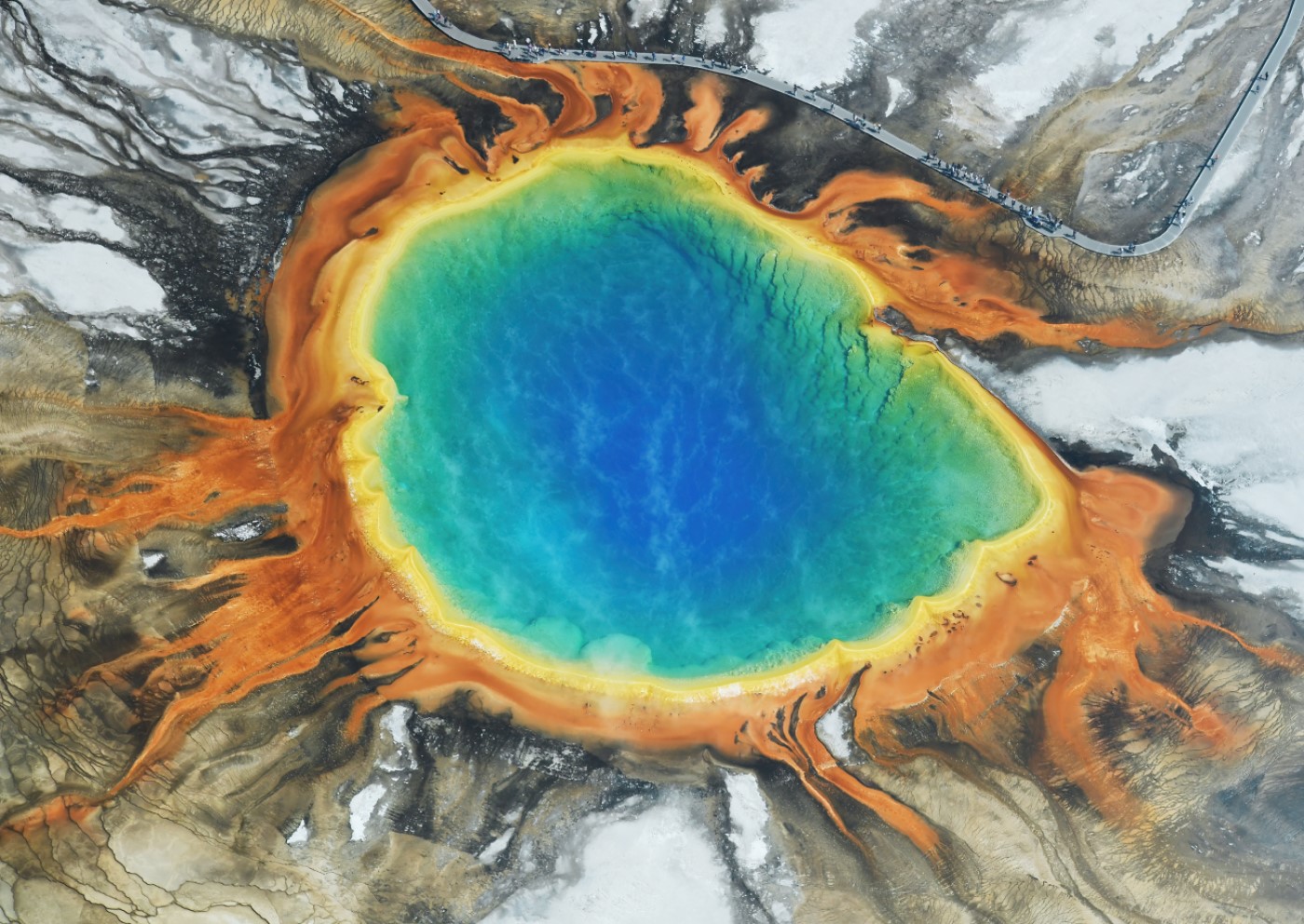
On Mar. 5, 2019, scientists at Washington State University (WSU) described the first-ever successful in situ collection of a little-known species of bacteria that eats and breathes electricity. They successfully captured the enigmatic electricity-eating bacteria last August in the Heart Lake Geyser Basin area of Wyoming’s Yellowstone National Park.
The WSU team, in collaboration with colleagues from Montana State University, published their research detailing the multiple bacterial communities they found in the Journal of Power Sources.
These tiny creatures are not merely of academic interest. They may hold a key to solving some of the biggest challenges facing humanity — environmental pollution and sustainable energy. Such bacteria can “eat” pollution by converting toxic pollutants into less harmful substances and generating electricity in the process.
Most living organisms — including humans — use electrons, which are tiny negatively-charged particles, in a complex chain of chemical reactions to power their bodies. Every organism needs a source of electrons and a place to dump the electrons to live.
While we humans get our electrons from sugars in the food we eat and pass them into the oxygen we breathe through our lungs, several types of bacteria dump their electrons to outside metals or minerals, using protruding hair‑like wires.
Tags:
Source: Washington State University
Credit: