Novartis received FDA approval for Fabhalta (iptacopan) as the first oral monotherapy for adults with PNH
On Dec. 5, 2023, Novartis announced that the U.S. Food and Drug Administration (FDA) had approved Fabhalta (iptacopan) as the first oral monotherapy for the treatment of adults with paroxysmal nocturnal hemoglobinuria (PNH).
Fabhalta is a Factor B inhibitor that acts proximally in the alternative complement pathway of the immune system, providing comprehensive control of red blood cell (RBC) destruction within and outside the blood vessels (intra- and extravascular hemolysis [IVH and EVH]). In clinical trials, treatment with Fabhalta increased hemoglobin levels (= 2 g/dL from baseline in the absence of RBC transfusions) in the majority of patients and in APPLY-PNH nearly all patients treated with Fabhalta did not receive blood transfusions.
The FDA approval is based on the Phase III APPLY-PNH trial in patients with residual anemia (hemoglobin < 10 g/dL) despite prior anti-C5 treatment who switched to Fabhalta, which demonstrated superiority in hemoglobin improvement in the absence of RBC transfusions and in transfusion avoidance rate over patients who stayed on anti-C5 treatments. Approval was also supported by the Phase III APPOINT-PNH study in complement inhibitor-naïve patients. The 24-week core treatment periods in APPLY-PNH and APPOINT-PNH trials respectively showed.
Fabhalta may cause serious infections caused by encapsulated bacteria and is available only through a Risk Evaluation and Mitigation Strategy (REMS) that requires vaccinations for encapsulated bacteria.
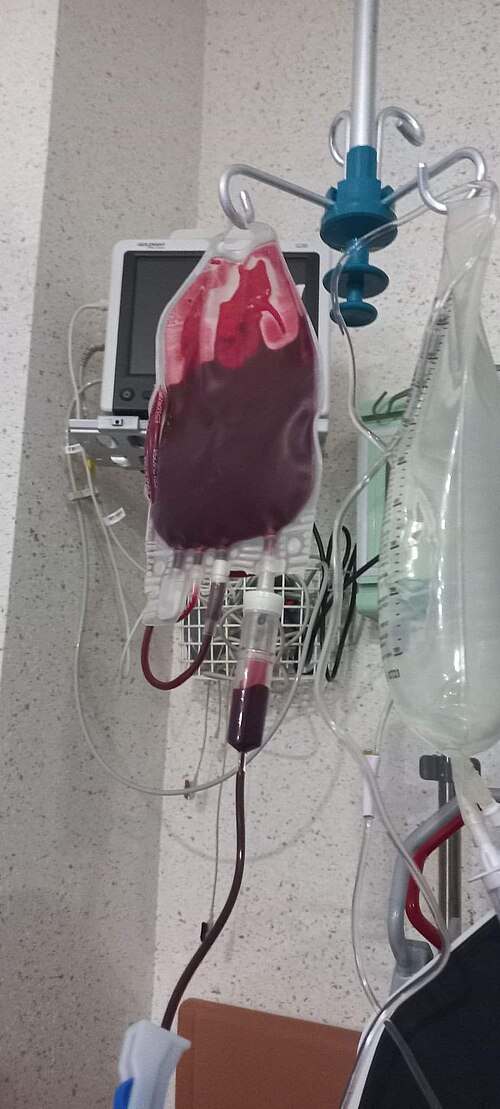
People with PNH have an acquired mutation making red blood cells susceptible to premature destruction by the complement system. PNH is characterized by hemolysis, bone marrow failure, and thrombosis in varying combinations and levels of severity. Existing C5 inhibitor treatments, administered as infusions, may leave PNH symptoms uncontrolled. Up to 88% of patients on anti-C5 treatment may have persistent anemia with over one-third of those patients requiring blood transfusions at least once per year.
Tags:
Source: GlobeNewswire
Credit: