India reported Acute encephalitis syndrome due to Chandipura virus outbreak
On Aug. 23, 2024, the World Health Organization (WHO) announced that between early June and 15 August 2024, the Ministry of Health and Family Welfare of the Government of India had reported 245 cases of acute encephalitis syndrome (AES) including 82 deaths. Of these, 64 are confirmed cases of Chandipura virus (CHPV) infection.
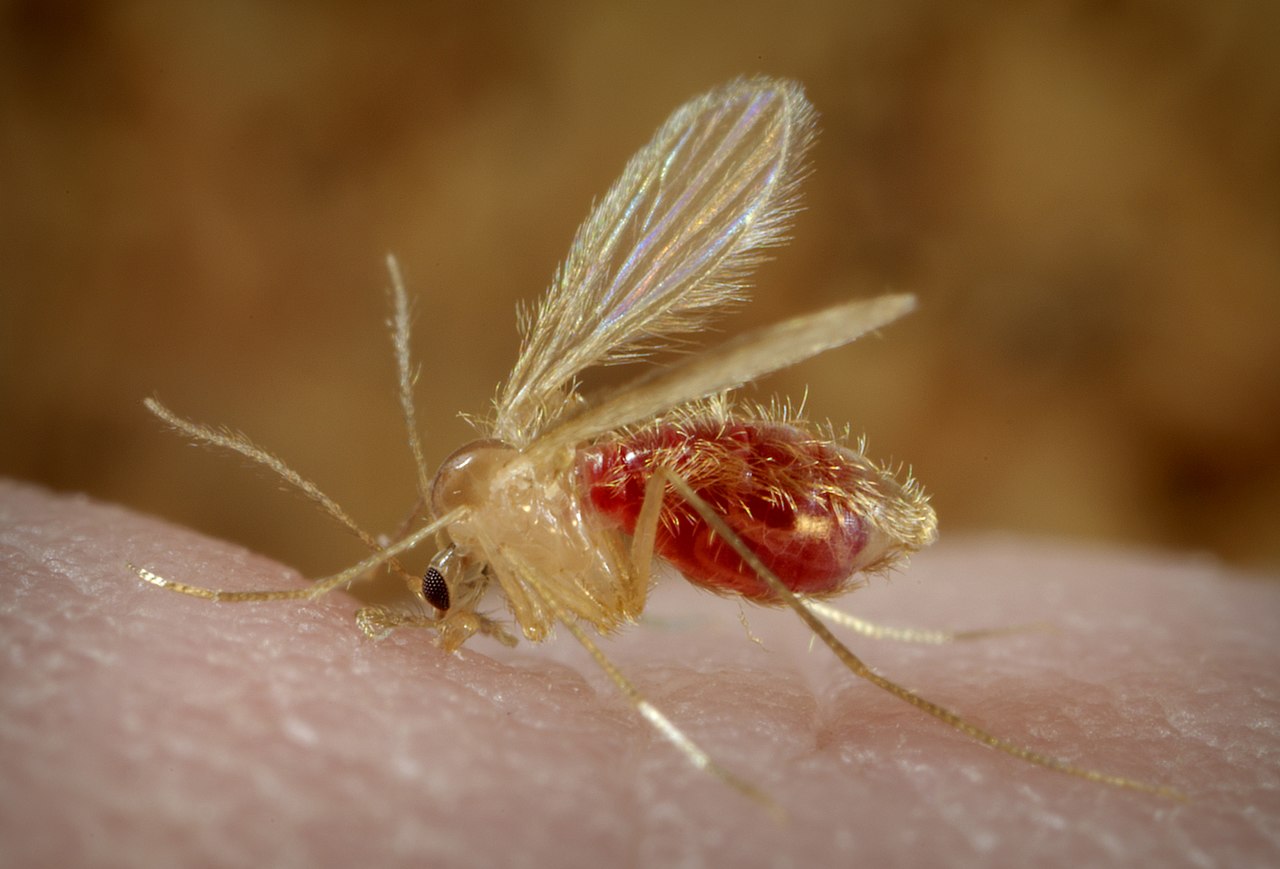
CHPV is endemic in India, with regular outbreaks. However, the current outbreak was the largest in twenty years. CHPV is a member of the Rhabdoviridae family and is known to cause sporadic cases and outbreaks of AES in western, central and southern parts of India, especially during the monsoon season. It is transmitted by vectors such as sandflies, mosquitoes and ticks.
The case-fatality ratio from CHPV infection is high (56-75%), and there is no specific treatment or vaccine available. Survival can be increased with early access to care and intensive supportive care of patients. Although authorities are working to control CHPV transmission, further transmission of the virus is possible in the coming weeks, as the monsoon season is creating favorable conditions for vector populations in the affected areas. WHO recommends vector control, and protection against bites of sandflies, mosquitos, and ticks, to prevent further spread of CHPV.
Tags:
Source: World Health Organization
Credit: Photo: Sandfly (Phlebotomus papatasi) responsible for the spread of the vector-borne parasitic disease leishmaniasis, courtesy: Centers for Disease Control and Prevention.