Highly pathogenic avian influenza confirmed as cause of three California condor mortalities in Arizona
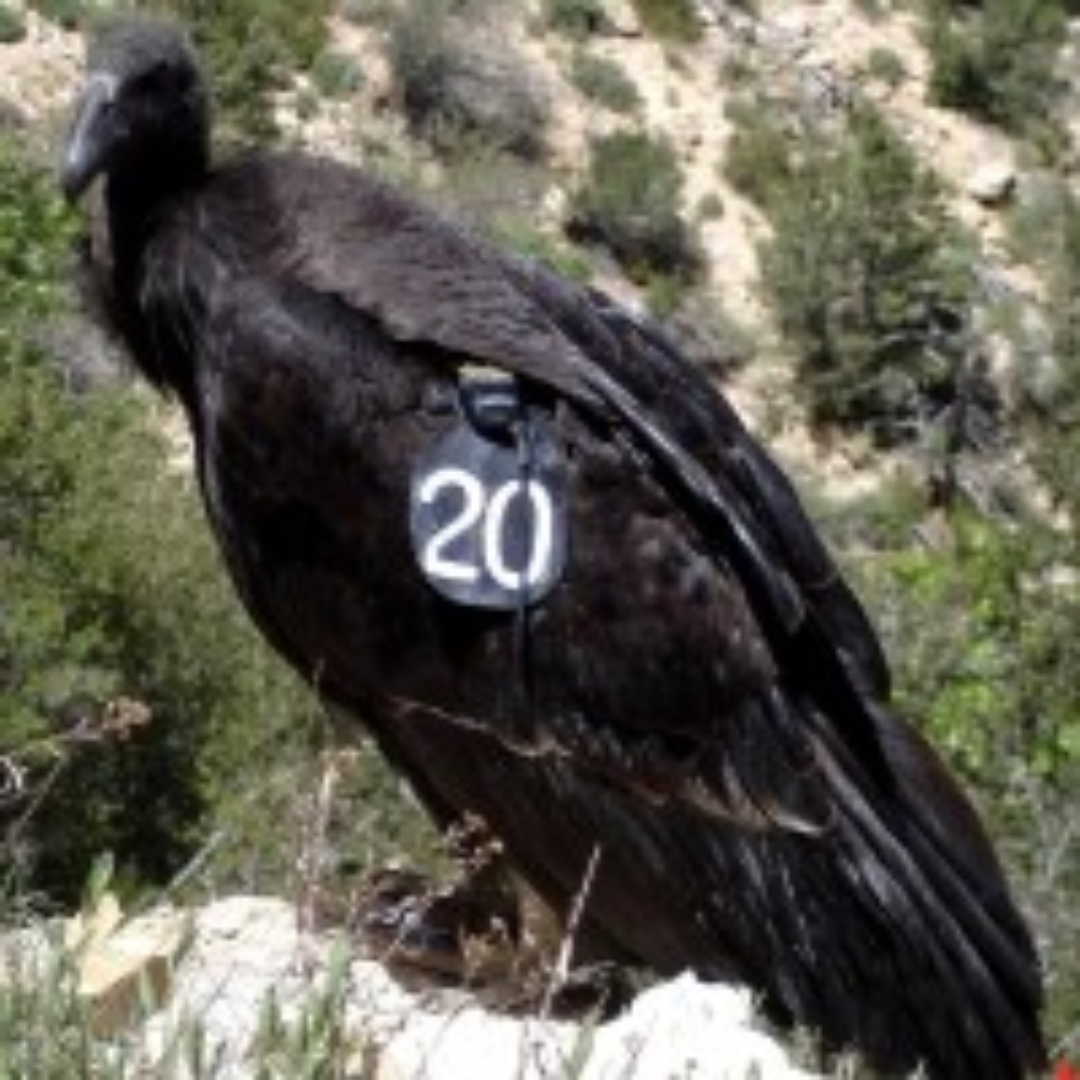
On Apr. 7, 2023, the U.S. National Park Service reported Highly Pathogenic Avian Influenza (HPAI) had been confirmed as the cause of mortality for three California condors found in northern Arizona.
On March 9, The Peregrine Fund, which manages the Arizona-Utah condor flock, first observed a bird in the wild exhibiting signs of illness, initially suspected to be lead poisoning. Crews continued to monitor this bird and others showing similar behavior. On March 20, they collected the deceased female below her nest, which was the first bird confirmed positive with HPAI.
Upon collection, the bird was went to the U.S. Fish and Wildlife Service’s Clark R. Bavin National Fish and Wildlife Forensics Laboratory for necropsy to determine the cause of death. Oregon Veterinary Diagnostic Lab analyzed samples, and preliminary results indicated the bird tested positive for HPAI subtype H5N1. The positive result was confirmed by the U.S. Department of Agriculture’s National Veterinary Service Laboratory on March 30.
As of April 4, a total of three deceased birds have been retrieved and confirmed as HPAI positive. Test results are not yet final for five additional deceased birds. Others have been collected and are pending necropsy and testing; information will be provided once test results are available.
Additionally, five birds displaying signs of illness were captured by The Peregrine Fund and sent to Liberty Wildlife in Phoenix, Ariz., for care. One of the birds died shortly after arrival. The remaining four are in quarantine while samples are tested for HPAI. Any additional live or deceased condors collected in Arizona and Utah will be treated as HPAI suspected cases. Live birds will be transferred to appropriate facilities to receive care.
California condor populations face multiple stressors, such as exposure to lead shot and habitat degradation, that have reduced the resiliency of the population. To address the unfolding threat of HPAI, coordination is ongoing with avian influenza experts, veterinarians, and Tribal, state and federal partners across the condor’s range. California condor recovery partners are mobilizing resources and taking preemptive steps to protect wild birds from HPAI. Across the condor’s range, daily activities continue, such as captive breeding and the monitoring of breeding and nesting sites.
Potential exposure of HPAI is expected to rise during the spring migration of birds north to their breeding grounds. HPAI has been detected in all U.S. states, except Hawaii, in wild and domestic animals.HPAI is considered low risk as a human health concern, according to the Centers for Disease Control; however, infections in humans have been reported. HPAI is highly contagious in wildlife and can spread quickly by several routes, including bird-to-bird contact, environmental contamination with fecal material, and via exposed clothing, shoes and vehicles. To protect people and birds, it is important to take precautions to prevent spread of the virus.
Tags:
Source: National Park Service
Credit: