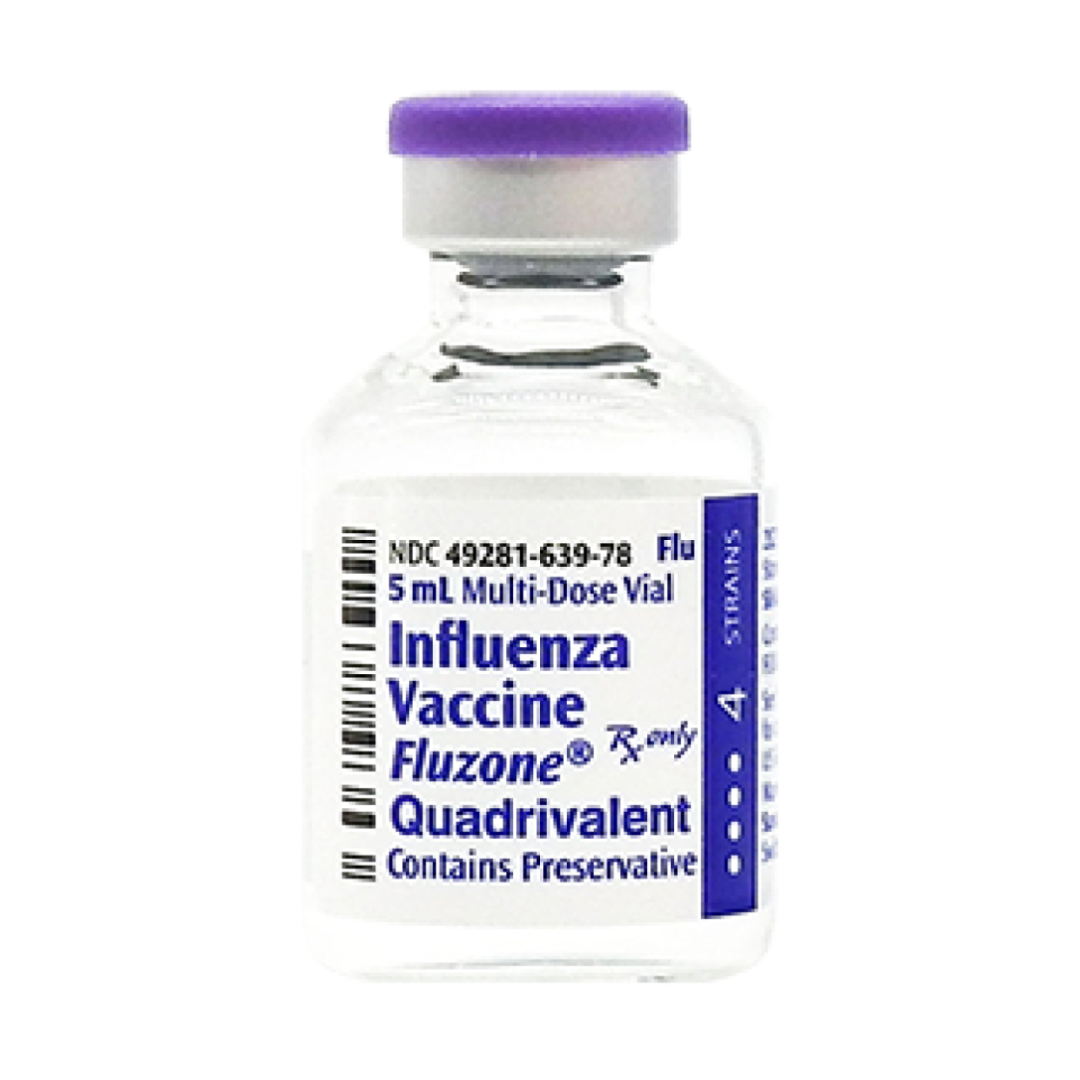
FDA approved Fluzone as the third quadrivalent influenza vaccine licensed for US use
On Jun. 10, 2013, Sanofi Pasteur announced the U.S. Food and Drug Administration (FDA) had approved the supplemental biologics license application (sBLA) for licensure of its four-strain influenza vaccine, Fluzone Quadrivalent vaccine. Fluzone Quadrivalent vaccine was the newest addition to the Fluzone family of influenza vaccines. Fluzone Quadrivalent vaccine is licensed for use in children six months of age and older, adolescents, and adults.
The 2013 influenza season will be the first in which quadrivalent influenza vaccines will be available in the U.S. Until this year, seasonal influenza vaccines included only one B strain. Fluzone Quadrivalent vaccine includes two A strains and two B strains to help protect against influenza disease. Epidemics of influenza B occur every two to four years in all age groups. Influenza B is a common cause of influenza-related morbidity and mortality in children and has been associated with pneumonia and other respiratory illnesses, nervous system disease, muscle pain and inflammation, and other complications. In recent years, up to 44 percent of influenza-associated deaths in children and adolescents 18 years of age and younger were due to influenza B.
Each winter the strains for the seasonal influenza vaccines are selected from the influenza strains anticipated to circulate in the Northern Hemisphere during the approaching influenza season. Seasonal influenza vaccines in the U.S. contained only two strains (one strain of type A influenza and one strain of type B influenza) until 1978, when the decision was made to incorporate a second type A influenza strain to help provide protection against both A strains that were co-circulating. For the past 35 years, influenza vaccines have been trivalent to help protect against three strains of influenza virus: a type A(H1N1), a type A(H3N2) and one type B. However, since the 2001-2002 season, two distinct influenza B types (the Victoria and Yamagata lineages) have co-circulated with varying prevalence, making it difficult to predict the next season’s dominant B lineage strain. In six of the past 12 seasons, the dominant circulating B strain was from the B-lineage not selected for the vaccine. Even in years where the correct B lineage strain was selected for the vaccine, some influenza disease was caused by the B lineage omitted from the vaccine likely reducing the overall vaccine effectiveness against circulating influenza viruses.
Tags:
Source: Sanofi Pasteur
Credit: