Existing vaccines may protect against the Brazilian coronavirus variant
On Mar. 19, 2021, scientists at the University of Oxford released pre-print data measuring the level of antibodies that can neutralise – or stop infection from – variants that were circulating in South Africa, Brazil and elsewhere. These data suggested that natural- and vaccine-induced antibodies can still neutralise these variants, but at lower levels. Importantly, the P1 ‘Brazilian’ strain may be less resistant to these antibodies than first feared.
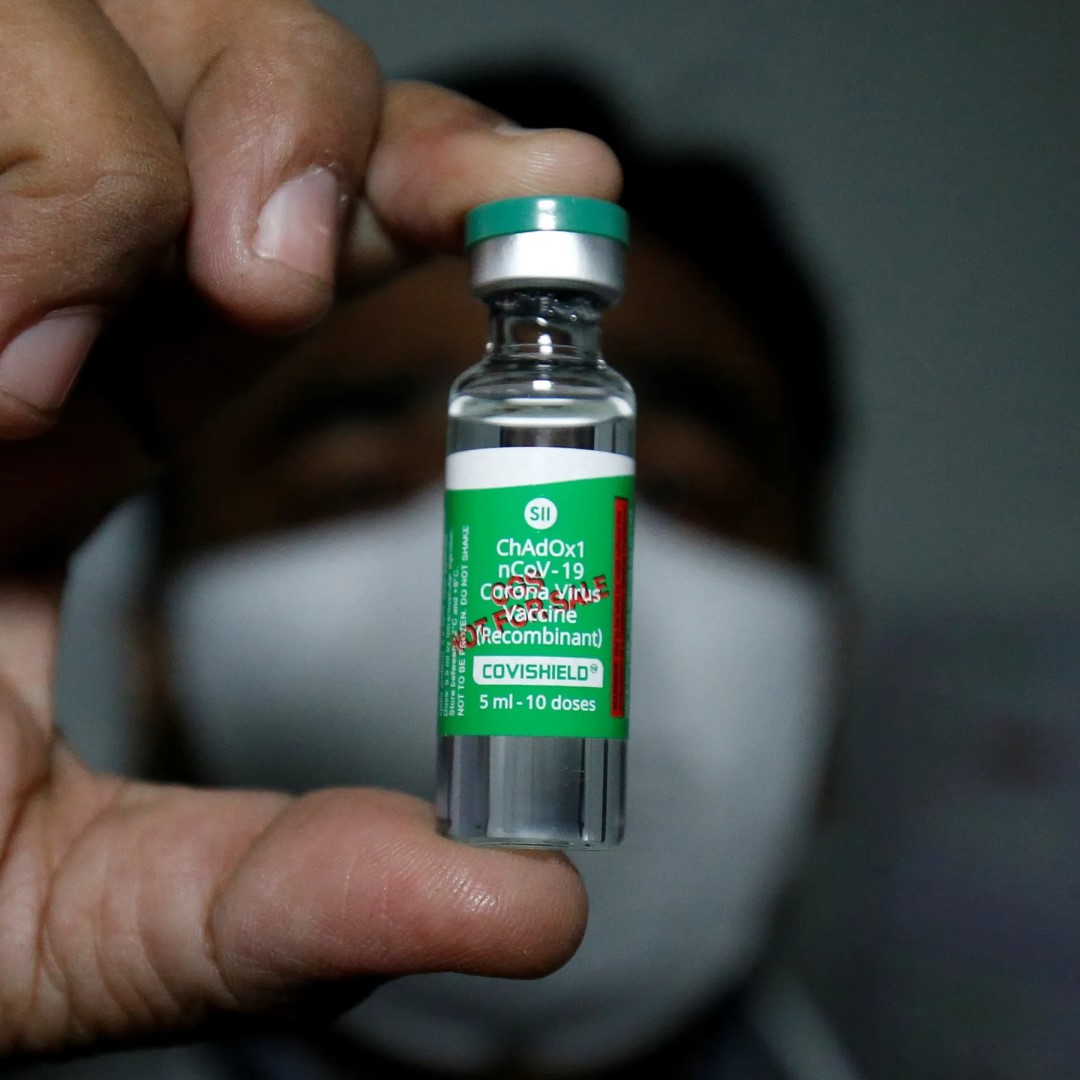
In the pre-print publication, available on bioRxiv, the authors report on the neutralization of these strains when using blood samples from both people who have natural antibodies generated from a COVID-19 infection and from those with antibodies generated from the ChAdOx1 nCoV-19 Oxford-AstraZeneca and BNT162b2 Pfizer-BioNTech vaccines.
These data show a nearly three-fold reduction in the level of virus neutralisation by the antibodies generated by the ChAdOx1 nCoV-19 and BNT162b2 vaccines for the B.1.1.7 (Kent) and P.1 (Brazil) variants when compared to the original ‘Victoria’ strain, and a 9-fold and 7.6-fold reduction respectively against the B.1.351 ‘South Africa’ strain.
The authors comment that as P.1 and B.1.351 contain very similar changes in the receptor binding domain, it was assumed that the neutralizing antibodies would be similarly affected, meaning that vaccination will likely still provide some protection against P.1. They believe that the drop in vaccine efficacy against mild to moderate disease against B.1.351 is likely a reflection of the mutations occurring outside the receptor binding domain.
They further highlight that given the large reductions in neutralization tires, developing vaccine constructs to B.1.351 should be the greatest priority for vaccine developers globally.
Tags:
Source: University of Oxford
Credit: