National Breast and Cervical Cancer Act allowed states federal waivers to spend a greater share of funds on underserved women
On Apr. 20, 2007, President Bush signed critical legislation into law today to expand a successful program that…
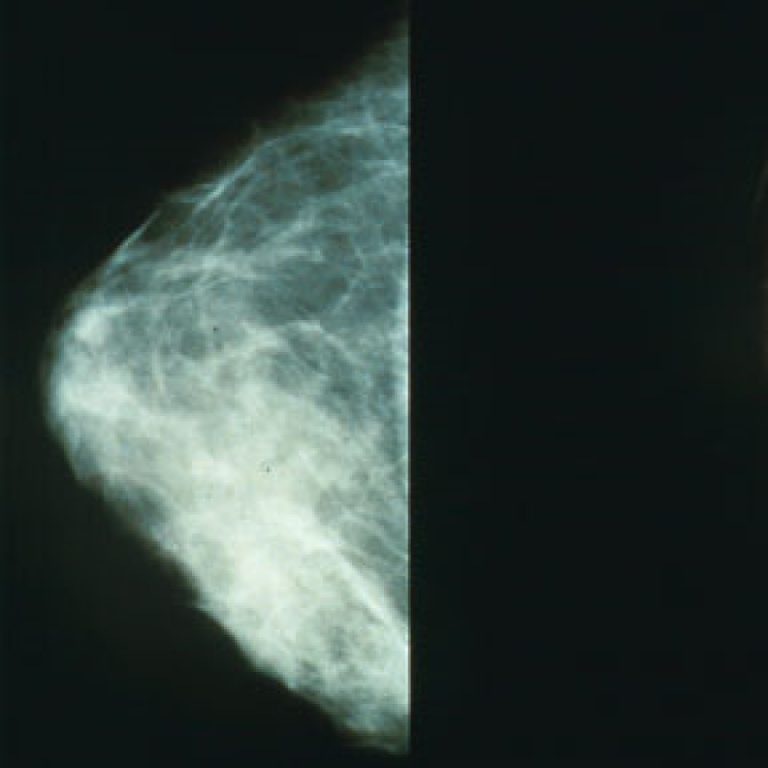
On Apr. 20, 2007, President Bush signed critical legislation into law today to expand a successful program that…
In 2007, the U.S. Congress declared May National Cancer Control Month, an opportunity to educate all Americans about…
On Nov. 27, 2006, the Animal Enterprise Terrorism Act (AETA) was officially signed into law by President George…

On Nov. 20, 2006, the Genome Sequencing Center at Washington University School of Medicine in St. Louis announced…

On Dec. 12, 2005, the U.S. Congress approved the passage of the Food Allergy Labeling and Consumer Protection…
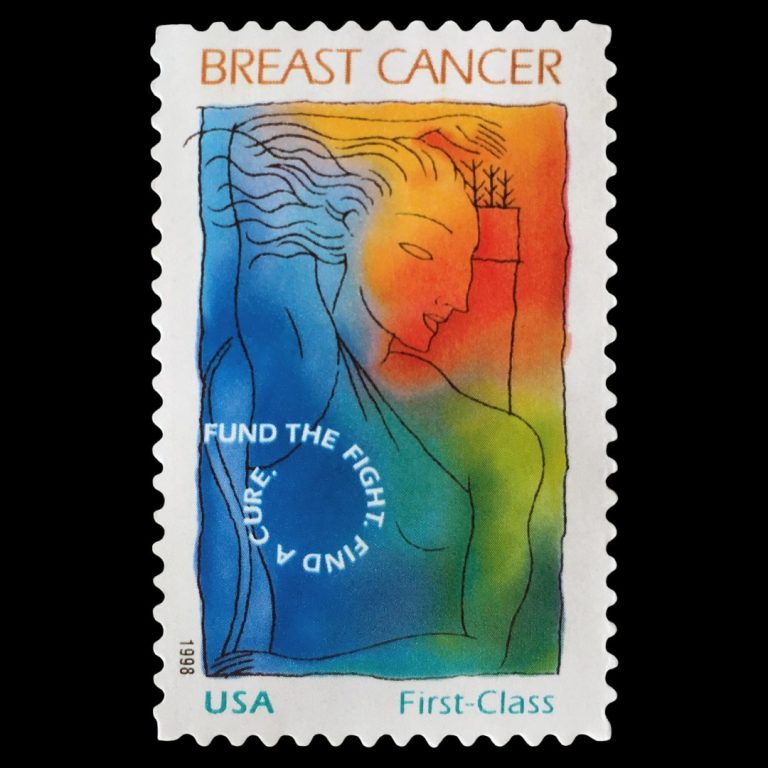
On Nov. 11, 2005, the U.S. Congress authorized the 2-year extension of Postage Stamp for Breast Cancer Research…
On Aug. 8, 2005, the Energy Policy Act of 2005 (EPAct) is the first major energy law enacted…

On Sept. 22, 2004, the National Institutes of Health (NIH) opened the Mark O. Hatfield Clinical Research Center,…
On Aug. 2, 2004, the U.S. Congress passed the Minor Use and Minor Species Animal Health Act to…

On Jul. 21, 2004, Project BioShield Act of 2004 was signed by President George W. Bush. The Act…
On April 25 known as DNA Day, is a day that commemorates the successful completion of the Human…
On Jan. 23, 2004, the U.S. Congress enacted the Sun Grant Research Initiative Act. The Sun Grant Research…

In 2004, the U.S. Congress passed the Anabolic Steroid Control Act which enacted a ban on over-the-counter steroid…

On Nov. 18, 2003, the U.S. Congress passed the Animal Drug User Fee Act (ADUFA) which permitted the…
On Dec. 24, 2002, the U.S. Food and Drug Administration’s (FDA) Office of Combination Products (OCP) was formed within…
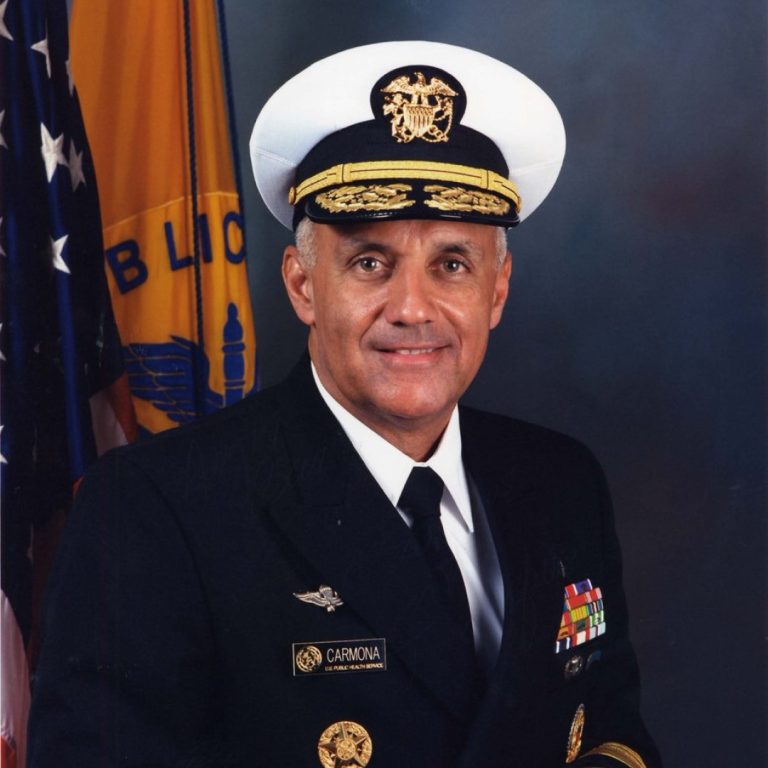
On Aug. 5, 2002, President George W. Bush appointed Richard H. Carmona as U.S. Surgeon General, one of…

On Jul. 3, 2002, Dr. Julie Louise Gerberding, M.D., M.P.H., became the first woman Director of the U.S….
On Jun. 12, 2002, President George W. Bush signed the Public Health Security and Bioterrorism Preparedness and Response…
On Jun. 12, 2002, the Public Health Security and Bioterrorism Preparedness and Response Act (P.L. 107-188) was passed…
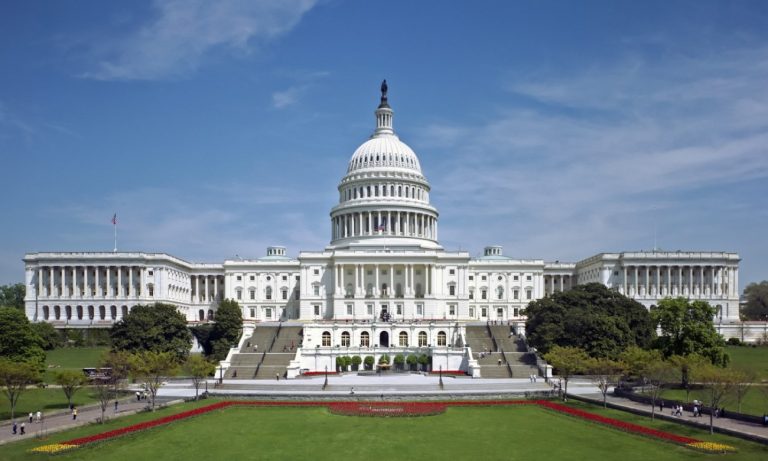
On May 14, 2002, President George W. Bush signed the Hematologic Cancer Research Investment and Education Act of…

On Jan. 22, 2002, Dr. Andrew C. von Eschenbach became the twelfth director of the National Cancer Institute…

On Oct. 17, 2001, the National Center on Birth Defects and Developmental Disabilities (NCBDDD) was established at the…
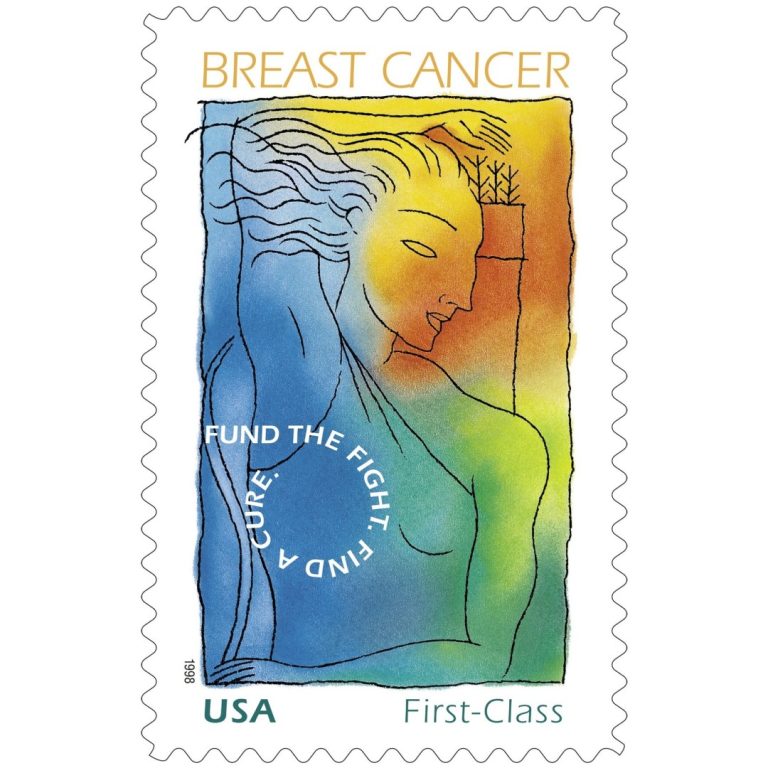
On Jul. 28, 2000, President Bill Clinton signed into law the Semipostal Authorization Act (P.L. 106-253), which gave…

On Mar. 21, 2000, the Supreme Court ruled 5 to 4 along ideological lines, that the U.S. Food…

On Dec. 2, 1999, an international team of researchers at the Sanger Centre near Cambridge, England; University of…
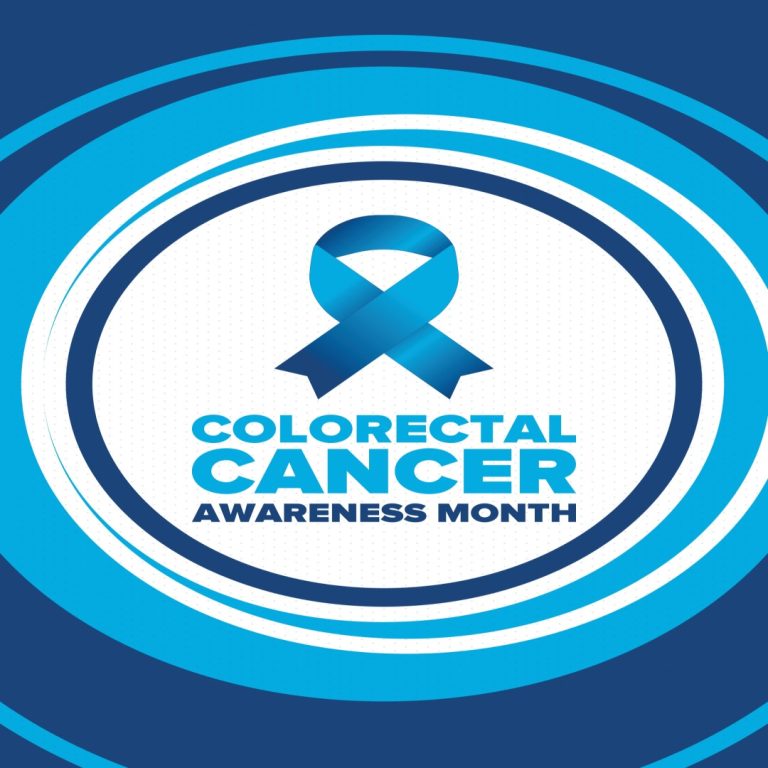
On Nov. 19, 1999, National Colorectal Cancer Awareness Month was established with a declaration by the U.S. Senate,…

On Jun. 9, 1999, the Dale and Betty Bumpers Vaccine Research Center (VRC) was established at the National…

On Jan. 17, 1999, Jane E. Henney, M.D., appointed by President Bill Clinton, became the first woman to…
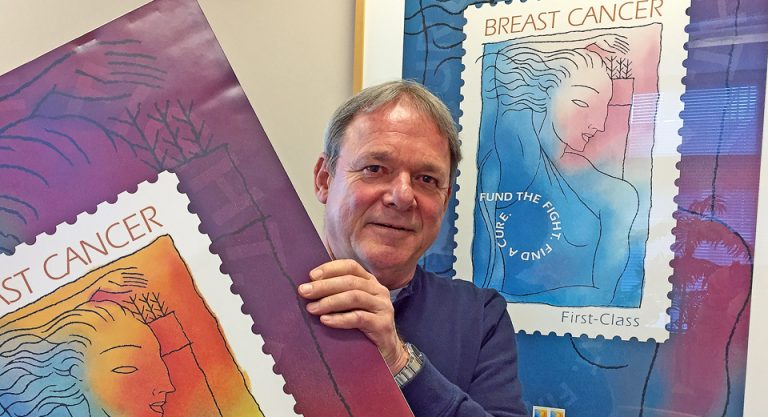
On Jul. 29, 1998, the Stamp Out Breast Cancer stamp was first issued. The driving force behind the…

On Jul. 20, 1998, the U.S. Food and Drug Administration (FDA) announced that the Modernization Act of 1997…