The Priestley Medal was awarded to Darleane C. Hoffman
On Apr. 21, 1999, nuclear chemist Darleane C. Hoffman, a chemistry professor of the graduate school at the…
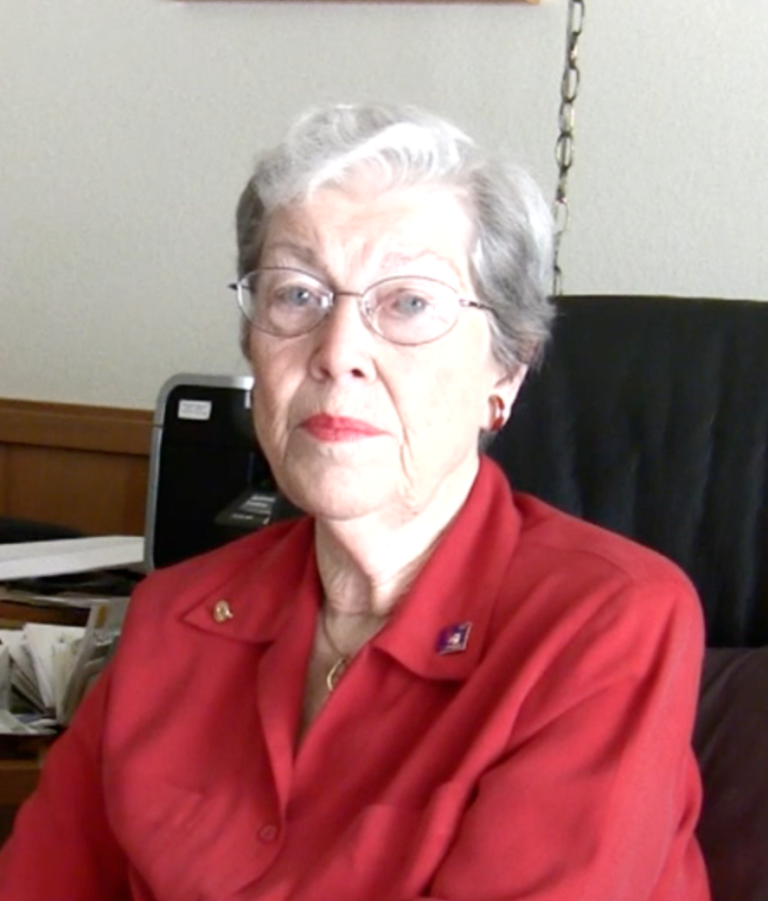
On Apr. 21, 1999, nuclear chemist Darleane C. Hoffman, a chemistry professor of the graduate school at the…
On Jan. 10, 2012, the Norris Foundation made a $15 million commitment toward construction of the Harlyne J….

In 2000, the Fred Hutchinson Business Alliance announced that the E. Donnall Thomas Medal of Achievement was awarded…
On Dec. 8, 1999, the National Cancer Institute published the Atlas of Cancer Mortality, 1950-94, showing the geographic…
In 1999, the Fred Hutchinson Business Alliance announced that the 1999 E. Donnall Thomas Medal of Achievement would…

On Sept. 14, 1998, researchers from the Breast Cancer Prevention Trial (BCPT) published a full report and update…
On Jun. 16, 1998, University of Washington Medicine, Fred Hutchinson Cancer Research Center and Seattle Children’s announced the…
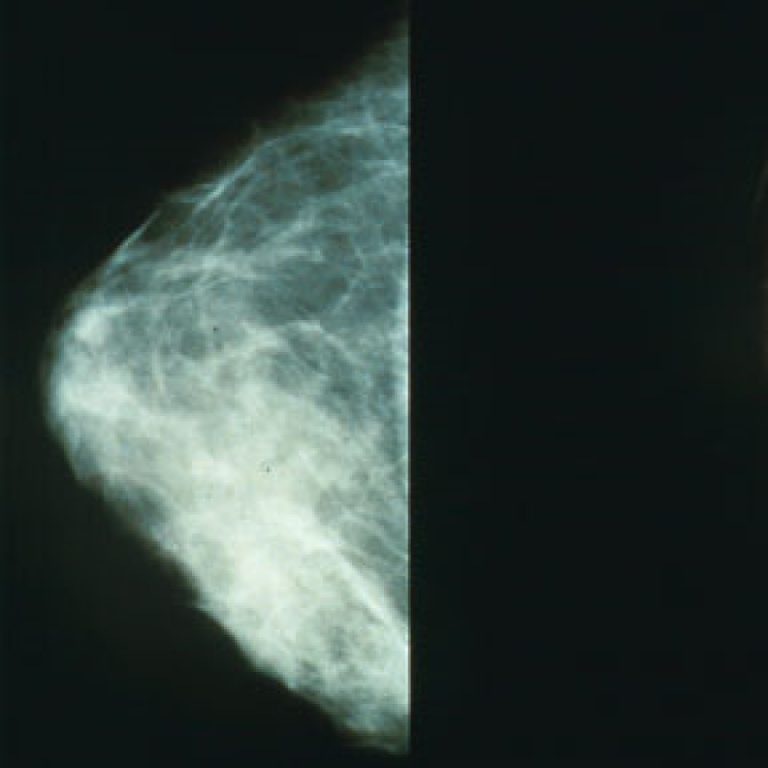
In 1998, the Mammography Quality Standards Reauthorization Act (MQSA) was passed by the U.S. Congress and continued the…
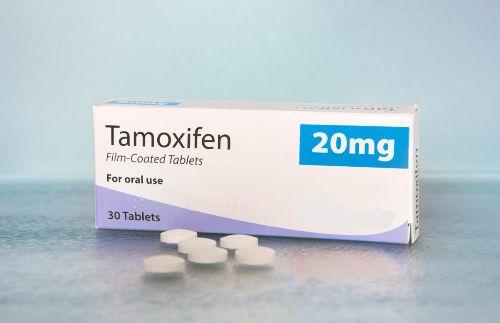
In 1998, Tamoxifen, created with the MCF-7 breast cancer cell line established by Karmanos, was revealed to reduce…
In 1998, The Norris Comprehensive Cancer Center received a $5 million gift from local philanthropist Henrietta Lee which…

On Jul. 29, 1997, the National Cancer Institute (NCI) released information that nuclear testing during the 1950s could…
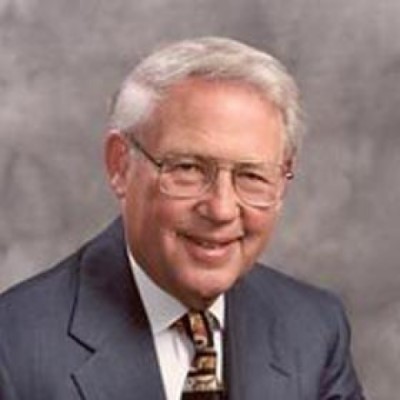
In 1997, The Fred Hutchinson Business Alliance announced that the E. Donnall Thomas Medal of Achievement would be…
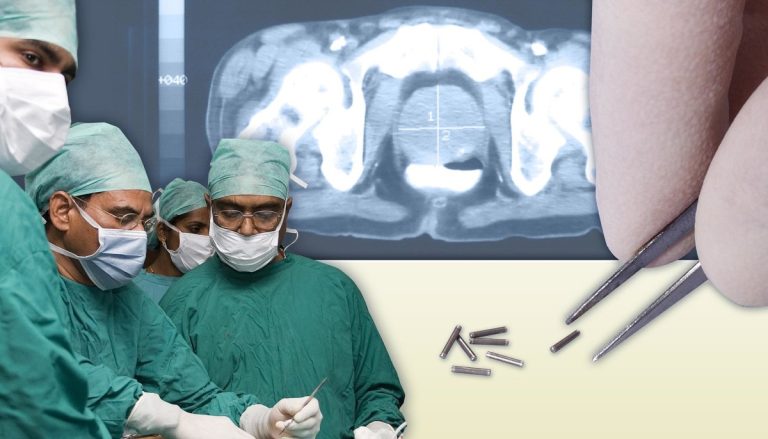
In 1997, IsoRay was founded in Richland as a spin-off from the Pacific Northwest National Laboratory (PNNL) to…
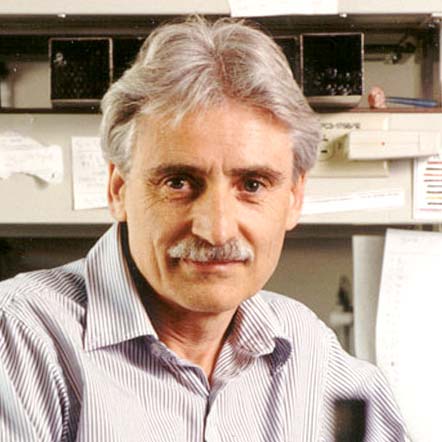
In 1997, Dr. Leland Hartwell became the new President and Director of the Fred Hutchinson Cancer Research Center….
On Mar. 26, 1996, the USC Norris Comprehensive Cancer Center and Hospital opened their expanded facilities that included…
In 1996, the National Cervical Cancer Coalition (NCCC), a growing coalition of people battling cervical cancer and HPV…
In 1996, the University of Hawaii Cancer Center (UH) received National Cancer Institute (NCI)-designation, an honor it has…
On Jul. 30, 1995, Peter Karmanos generously gave a large donation to the cancer research, patient care and…

In 1995, the Huntsman family led by Jon M. Huntsman Sr. and his wife Karen, pledged $100 million…

On Mar. 7, 1994, Penn Medicine’s Dr. Joel Goldwein established OncoLink, the first cancer information site on the…
In 1993, the Prostate, Lung, Colorectal, and Ovarian trial was launched. The trial was designed to determine whether…
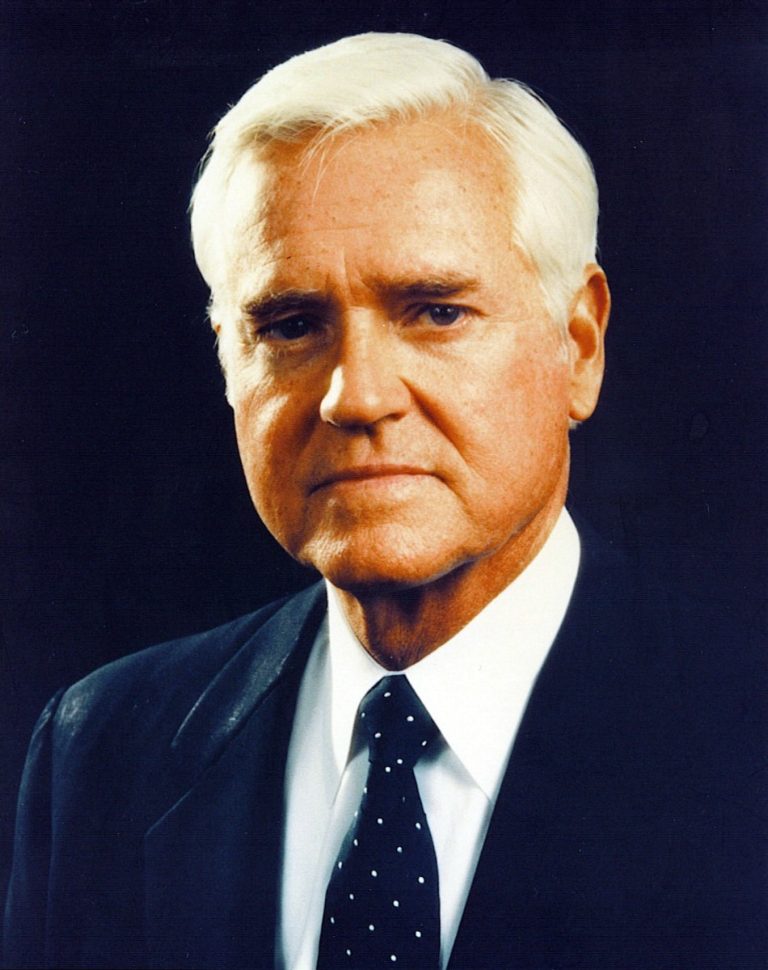
In 1993, The Hollings Cancer Center (HCC) was formally was established and named for former U.S. Senator and…
In 1993, the Vanderbilt Cancer Center was established under the leadership of Dr. Hal Moses, to bring together…

On Nov. 2, 1992, the Veteran’s Affairs Medical Center bridge opened. The 660-foot-long suspended pedestrian enclosed skybridge is…
On Oct. 27, 1992, the Mammography Quality Standards Act (MQSA) was passed (P.L. 102-539) by the U.S. Congress…
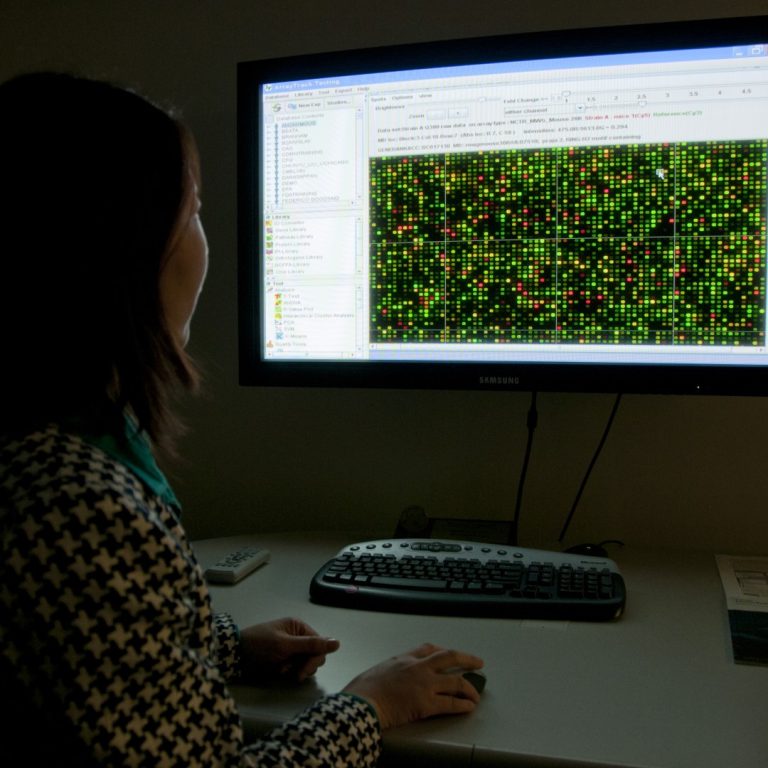
In 1992, the Center for Research on Occupational and Environmental Toxicology (CROET) building opened on the Oregon Health…
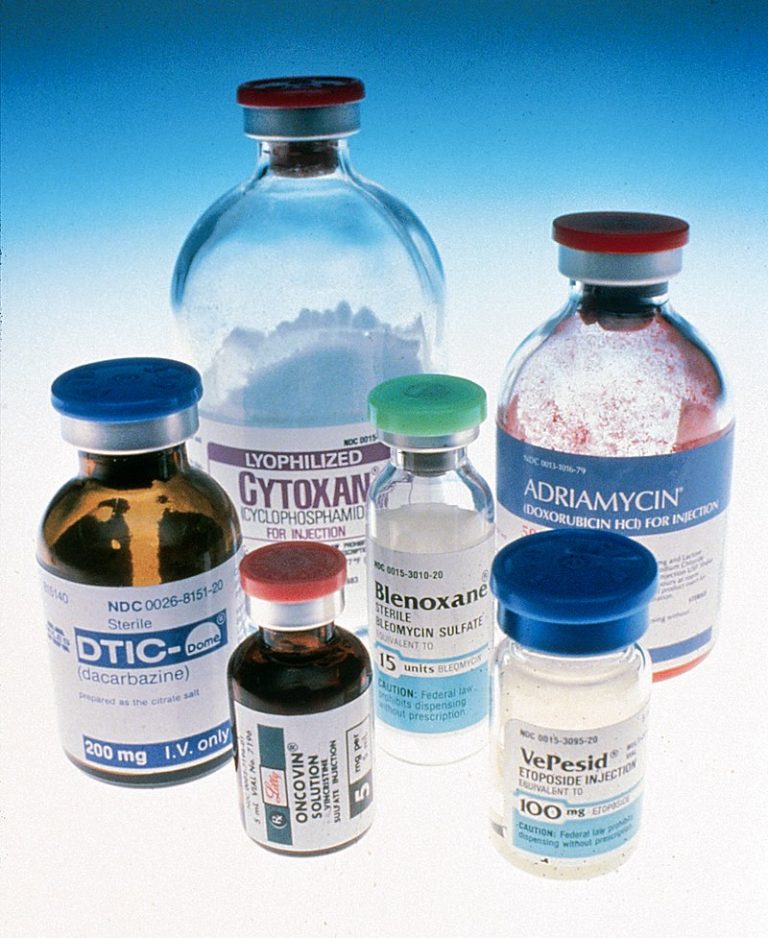
On Mar. 4, 1991, researchers reported that post-operative (adjuvant) radiation therapy and chemotherapy were found to improve survival…
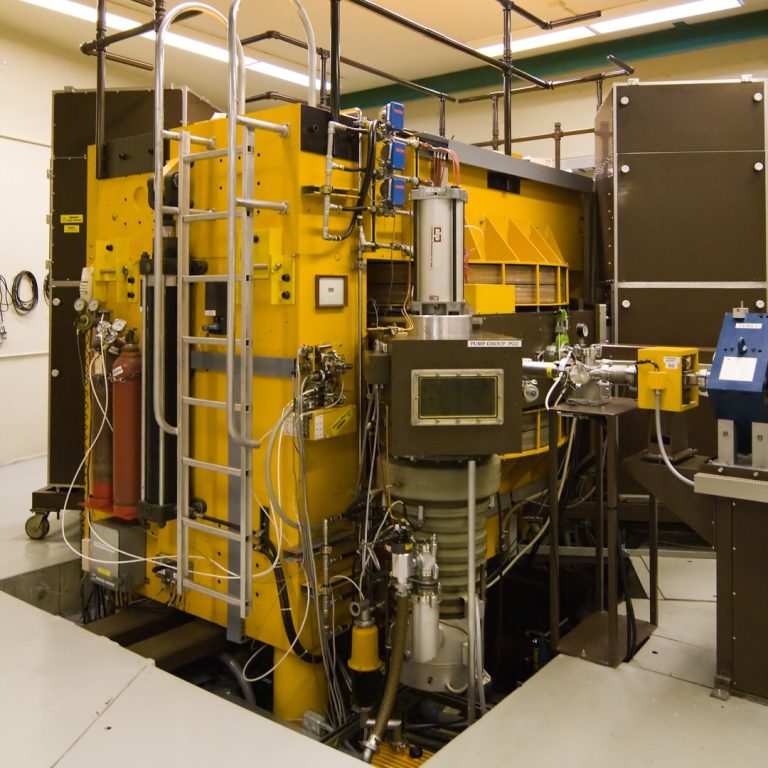
In 1991, the world’s first superconducting cyclotron built to treat cancer was installed at the Gershenson Radiation Oncology…

In 1991, the Women’s Health Initiative (WHI), sponsored by the National Heart, Lung, and Blood Institute (NHLBI), was…

In 1990, the Dotter Interventional Institute was established at Oregon Health & Science University (OHSU) as a multidisciplinary…