Andrew C von Eschenbach became the twelfth director of the National Cancer Institute, serving until 2006
On Jan. 22, 2002, Dr. Andrew C. von Eschenbach became the twelfth director of the National Cancer Institute…

On Jan. 22, 2002, Dr. Andrew C. von Eschenbach became the twelfth director of the National Cancer Institute…
In 2002, the Cancer Center at Baylor College of Medicine, now known as the Dan L Duncan Comprehensive…

In 2002, Stanford geneticist Mark Kay uses a gene-therapy technique known as RNA inhibition to switch off genes…

In 2002, Stanford researchers became the first to use gene expression profiling to predict cancer outcomes. The research…
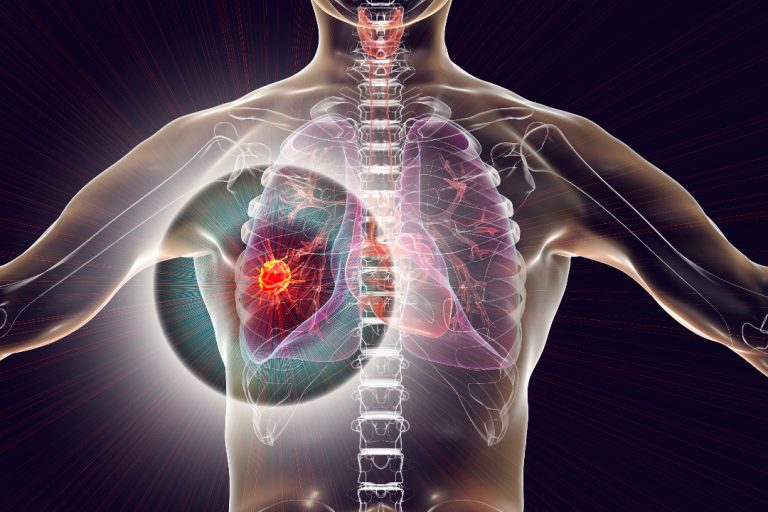
In 2002, the National Cancer Institute (NCI) launched the landmark National Lung Screening Trial (NLST) to determine whether…

In 2002, digital diagnostic technology was developed with the creation of AQUA (Automated Quantitative Analysis) at Yale Cancer…
In 2002, the Nevada Cancer Institute (NVCI), founded in 2002 and located in Summerlin, was a non-profit organization…

On Nov. 7, 2001, the Oregon Health Sciences University Foundation (OHSU) announced that the Klamath Falls-based JELD-WEN Foundation…
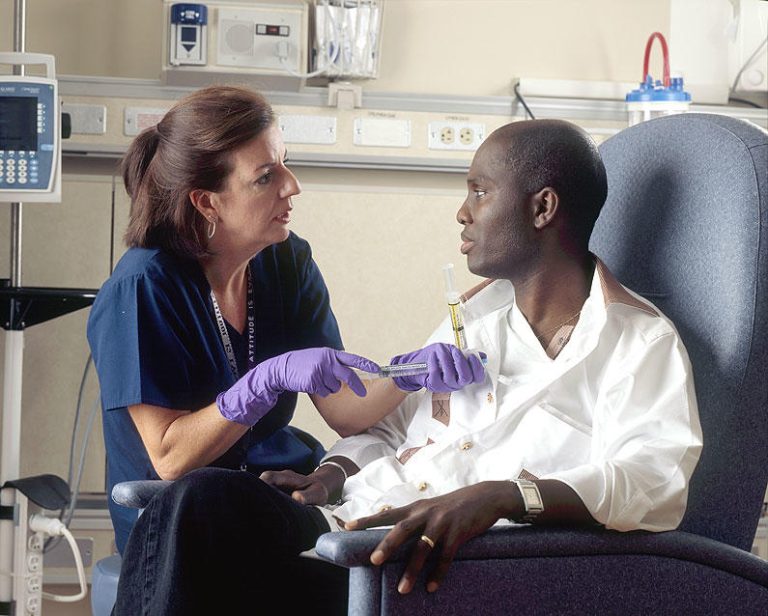
On Sept. 10, 2001, the National Cancer Institute (NCI) launched the Consumer Advocates in Research and Related Activities…
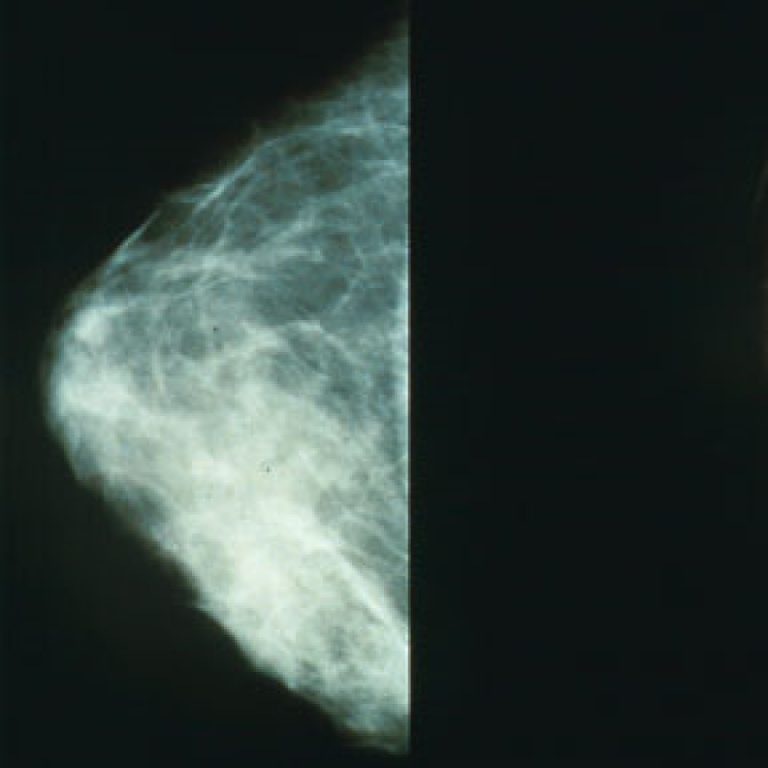
On Sept. 4. 2001, the National Cancer Institute (NCI) and the American College of Radiology Imaging Network launched…
In August 2001, the Alvin J. Siteman Cancer Center was named an National Cancer Institute (NCI) -Designated Cancer…
On Jul. 24, 2001, the National Cancer Institute (NCI) announced the launch of the largest-ever prostate-cancer prevention study,…
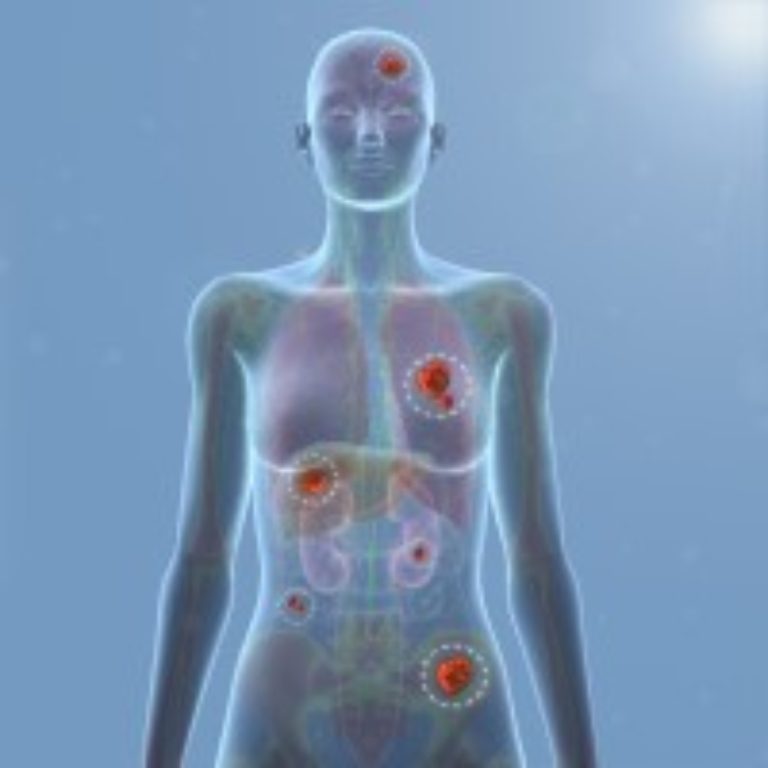
On May 24, 2001, Dr. Eldon Jupe and a team of Oklahoma Medical Research Foundation (OMRF) researchers found…
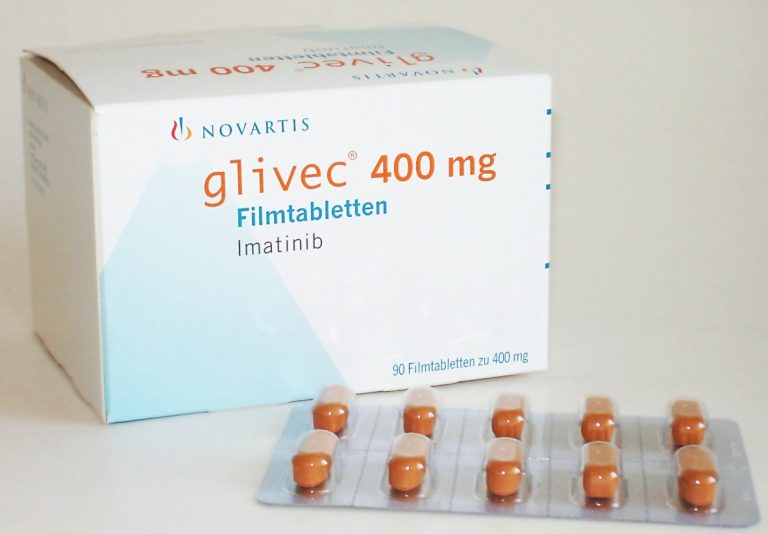
On May 10, 2001, the U.S. Food and Drug Administration (FDA) approved Gleevec, the world’s first targeted cancer…

On Mar. 7, 2001, Seattle Genetics launched its IPO and sold 7 million shares at $7 per share…
On Jan. 19, 2001, the Seattle Cancer Care Alliance outpatient clinic opened, the final phase in a more…
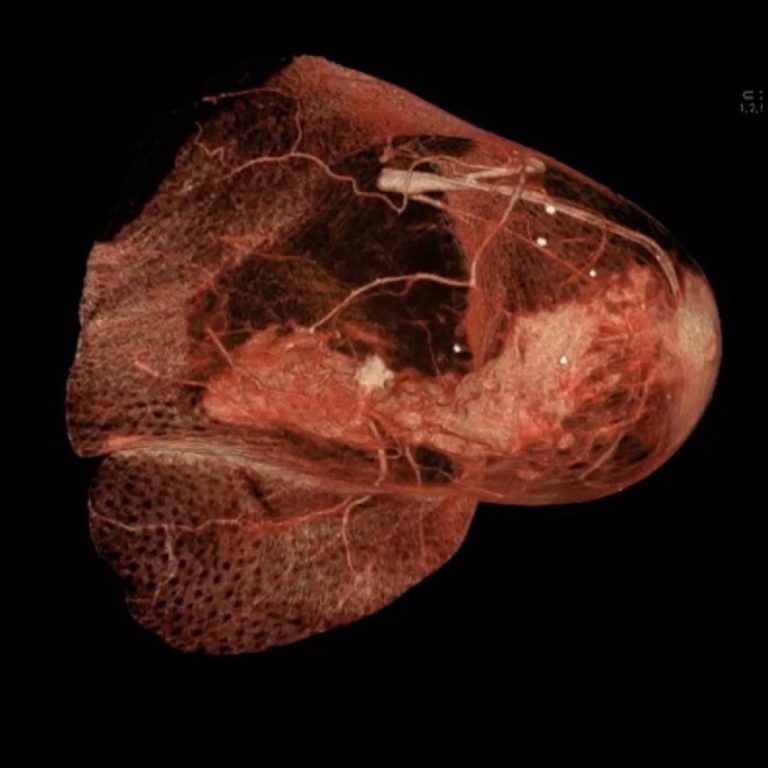
On Jan. 10, 2001, Livermore National Laboratory announced a partnership with BioLuminate to develop ‘Smart Probe’ tool for…
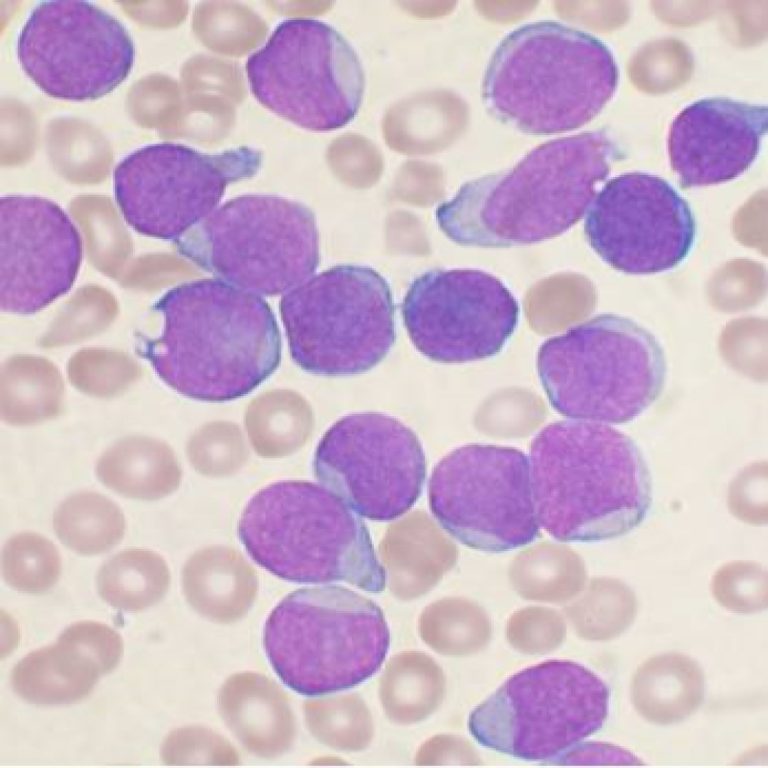
In 2001, the drug imatinib mesylate (Gleevec) was shown in a clinical trial to be effective against chronic…
In 1978, Moores Cancer Center (MCC) at UC San Diego achieved National Cancer Institute (NCI) designated comprehensive cancer…

In 2001, The J.P. McCarthy Cord Stem Cell Bank at the Karmanos Cancer Institute was founded as a…
In 2001, the Holden Cancer Center at University of Iowa received National Cancer Institute (NCI) Comprehensive Center designation….
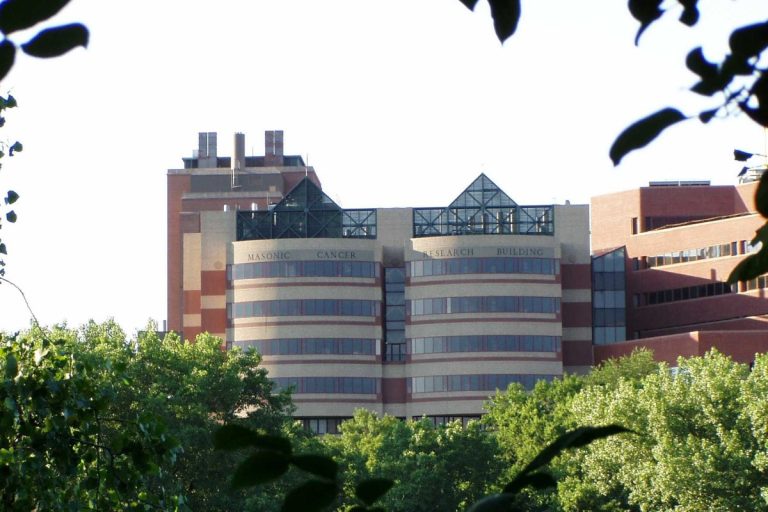
In 2001, the University of Minnesota Cancer Center, now known as the Masonic Cancer Center, was founded. It…
In 2001, the Stephenson Cancer Center was established. Located on the University of Oklahoma (OU) Health Sciences Center…
In 2001, the Vanderbilt-Ingram Cancer Center (VICC) earned the National Cancer Institute’s (NCI) highest distinction as a Comprehensive…
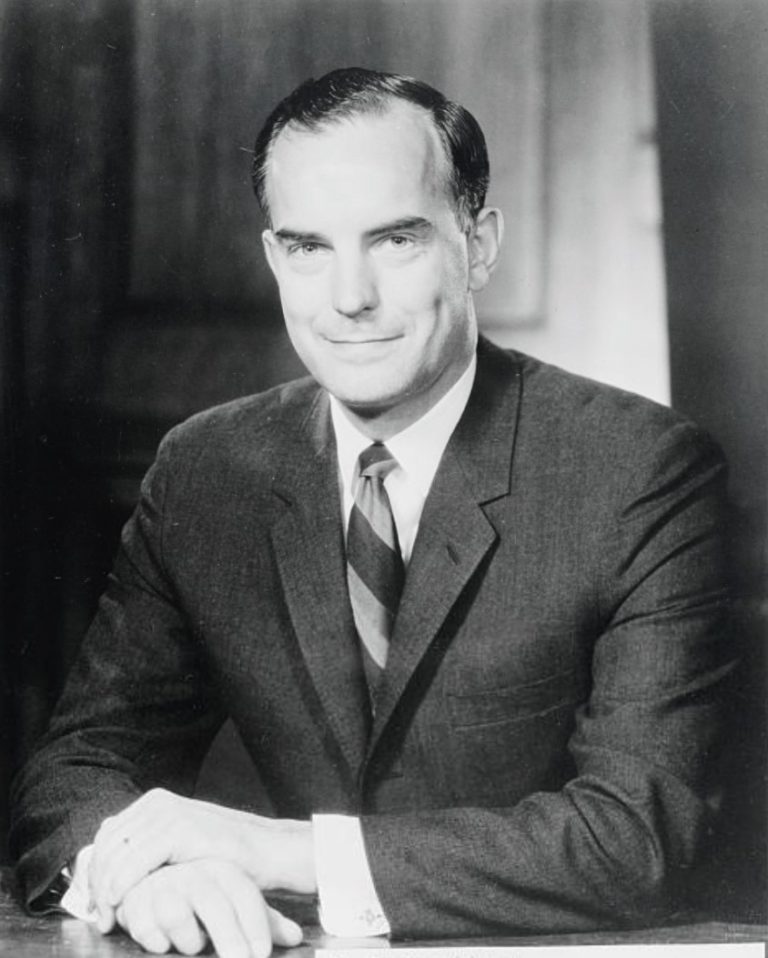
In 2001, the Fred Hutchinson Business Alliance announced that the 2001 E. Donnall Thomas Medal of Achievement would…
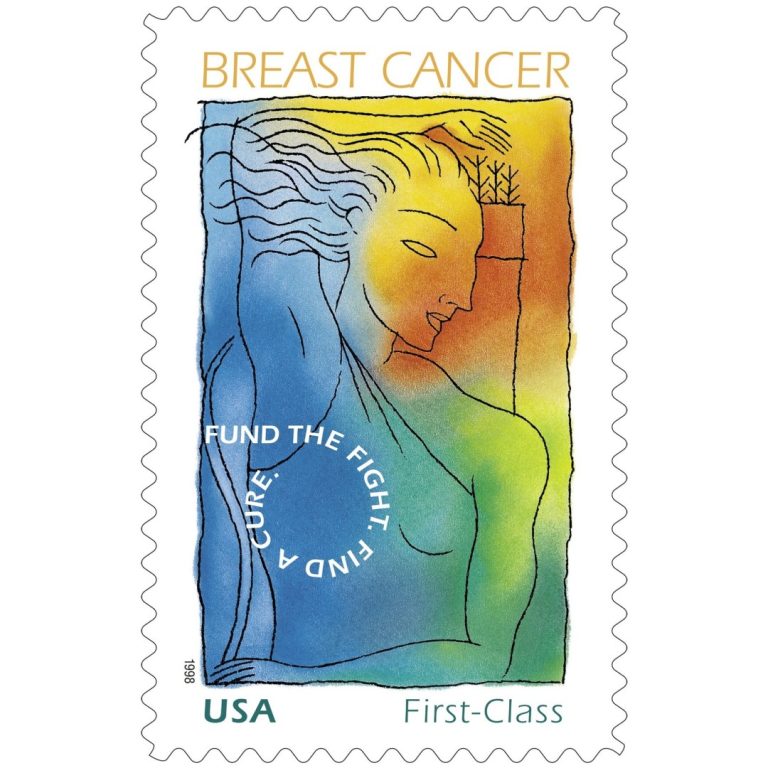
On Jul. 28, 2000, President Bill Clinton signed into law the Semipostal Authorization Act (P.L. 106-253), which gave…
In 2000, the Holden Cancer Center at University of Iowa received National Cancer Institute (NCI) Center designation. The…

On Jun. 16, 2000, Dendreon announced its initial public offering of 4,500,000 shares of common stock at $10.00…

On Mar. 21, 2000, the Supreme Court ruled 5 to 4 along ideological lines, that the U.S. Food…
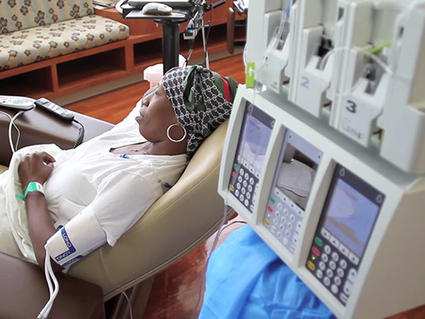
In 2000, researchers discovered that the most common form of non-Hodgkin lymphoma (NHL), diffuse large B-cell lymphoma, is…