Scientists cloned the tumor suppressor genes BRCA1 and BRCA2
In 1995, scientists cloned the tumor suppressor genes BRCA1 and BRCA2, inherited genetic mutations that can predict an…
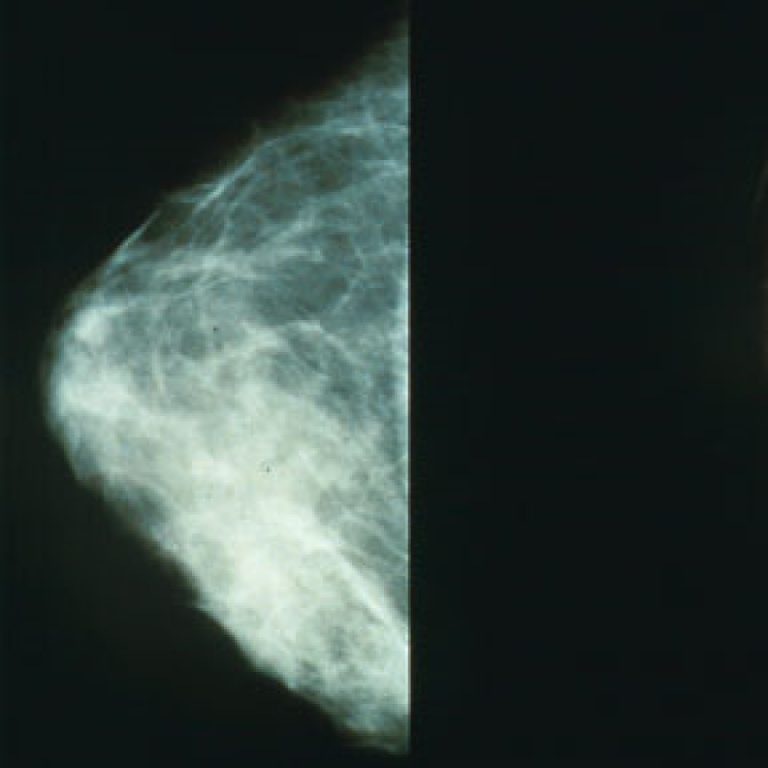
In 1995, scientists cloned the tumor suppressor genes BRCA1 and BRCA2, inherited genetic mutations that can predict an…

In 1995, the Huntsman family led by Jon M. Huntsman Sr. and his wife Karen, pledged $100 million…
In 1995, The Huntsman Cancer Institute, at the University of Utah, is a National Cancer Institute-designated cancer center…
In 1995, Mary-Claire King, an internationally known human geneticist, was recruited to the University of Washington’s (UW) School…
On Oct. 26, 1994, the University of California, Irvine (UCI) Chao Family Comprehensive Cancer Center (CFCCC) gained designated…

On Oct. 7, 1994, a strong candidate for the 17q-linked BRCA1 gene, which influences susceptibility to breast and…

On Mar. 7, 1994, Penn Medicine’s Dr. Joel Goldwein established OncoLink, the first cancer information site on the…
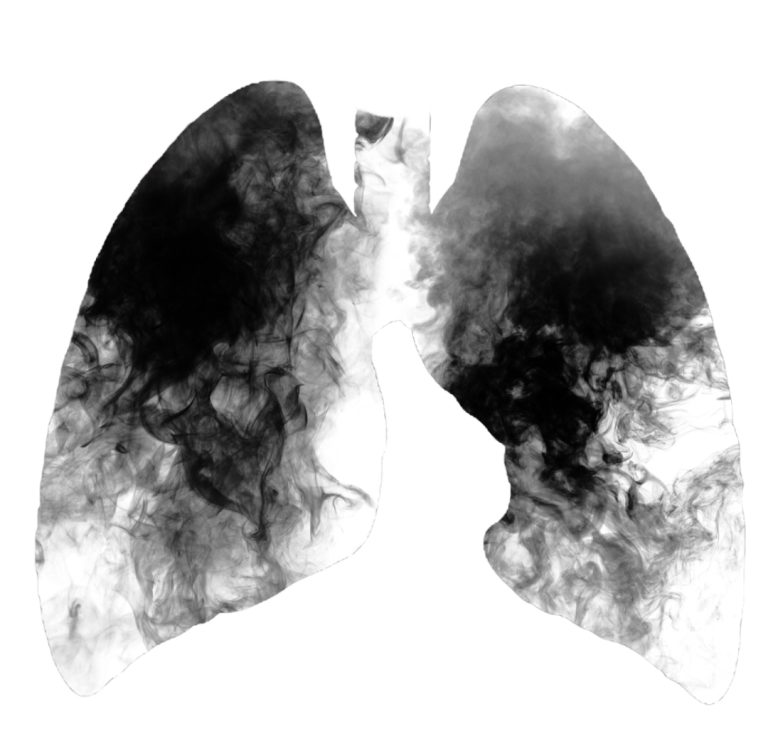
On Feb. 25, 1994, the U.S. Food and Drug Administration (FDA) announced it could consider regulating regulating tobacco…

In 1994, Albert Einstein College of Medicine becomes the only New York City medical school selected by the…
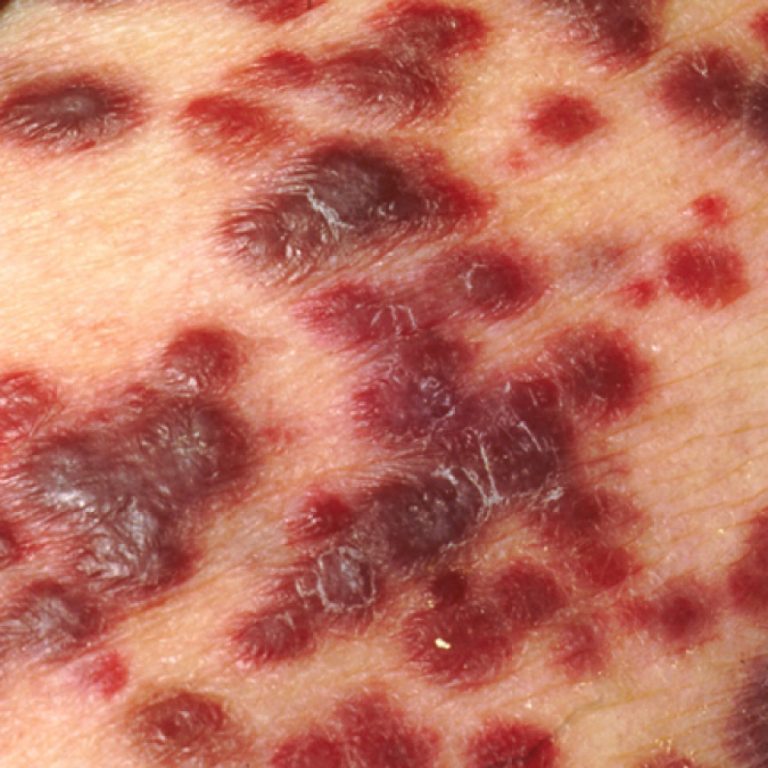
In 1994, human herpesvirus 8 (HHV-8), a causative agent for Kaposi’s sarcoma (KS), was identified. HHV-8 is also…

In 1994, the Stowers Institute for Medical Research was founded by Jim and Virginia Stowers with a $500…
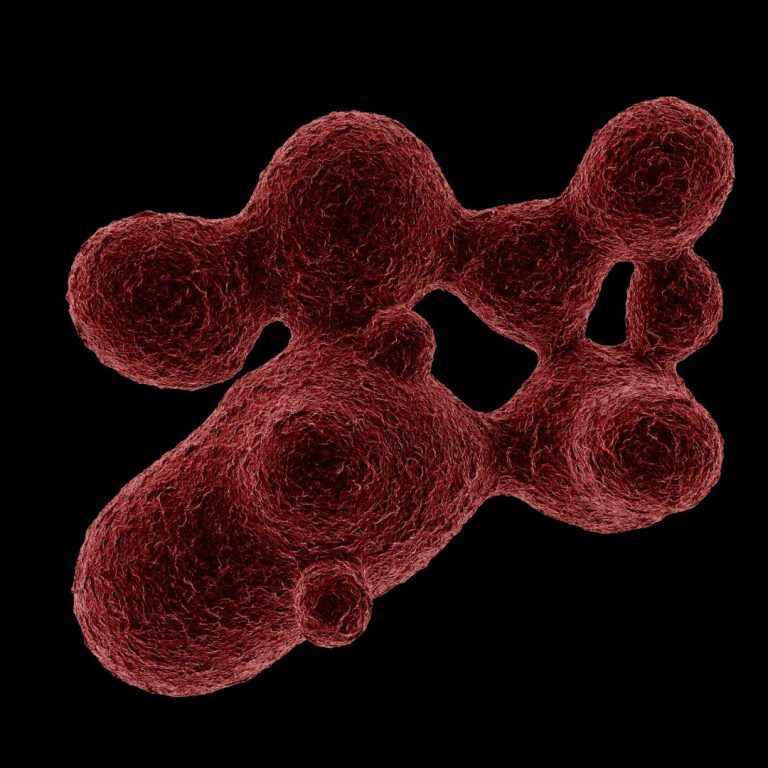
In 1994, researcher Helen Donis-Keller and colleagues at Washington University – St. Louis announced they had for the…

In 1994, Washington University – St. Louis reseacher Lee Ratern, MD and colleagues announced they had developed an…

On Dec. 7, 1993, Dana-Farber scientists identified the gene that causes an inherited form of colon cancer, which…
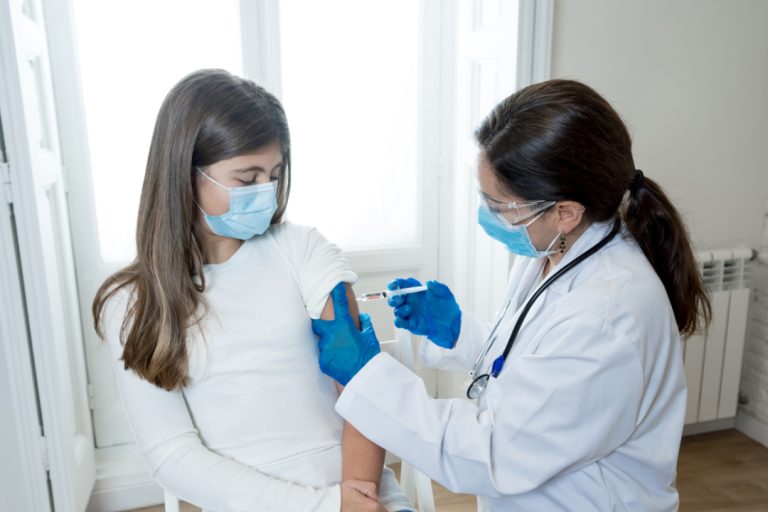
On Jul. 22, 1993, revising a policy from 1977 that excluded women of childbearing potential from early drug…
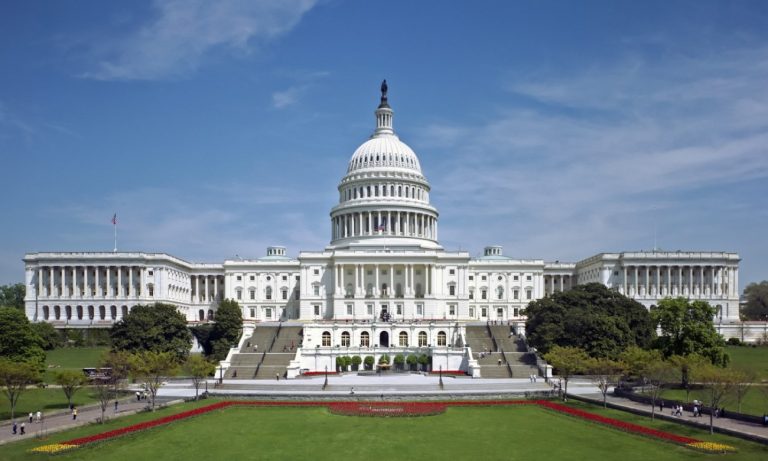
On Jun. 10, 1993, the U.S. Congress signed the National Institutes of Health Revitalization Act, P.L. 103-43. The…
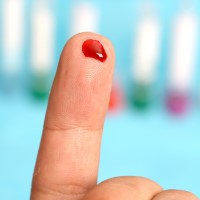
On Apr. 1, 1993, the FDA approved Amgen’s Epogen/Procrit for the treatment of anemia due to the effects…

In 1993, the John and Mary Pappajohn Clinical Cancer Center opened for service after receiving a generous $25…
In 1993, the Washington University School of Medicine announced that it was a participating site for the prostate,…

In 1993, Bristol-Myers Squibb launched TAXOL (paclitaxel). The company invested hundreds of millions of dollars to supply TAXOL…
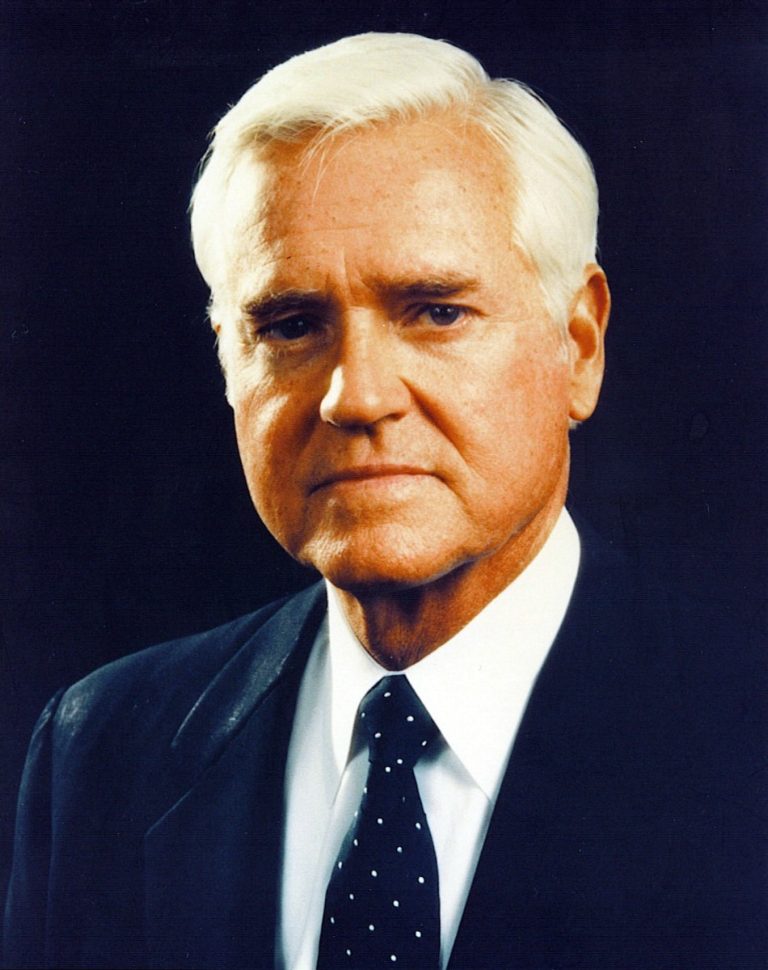
In 1993, The Hollings Cancer Center (HCC) was formally was established and named for former U.S. Senator and…

In 1993, the Vanderbilt Cancer Center was established under the leadership of Dr. Hal Moses, to bring together…
In 1993, The Cancer Therapy & Research Center (CTRC) at San Antonio received National Cancer Institute (NCI) designation….
In 1993, Jon M. and Karen Huntsman donated $10 million to the University of Utah to establish a…

On Dec. 21, 1992, Immunex announced a merger agreement with American Cyanamid Company’s Lederle Oncology business. In Nov….
In 1993, the Prostate, Lung, Colorectal, and Ovarian trial was launched. The trial was designed to determine whether…
On Dec. 18, 1992, Taxol (paclitaxel), an anticancer drug extracted from the bark of the Pacific yew, received…

On Nov. 2, 1992, the Veteran’s Affairs Medical Center bridge opened. The 660-foot-long suspended pedestrian enclosed skybridge is…
On Oct. 27, 1992, the Mammography Quality Standards Act (MQSA) was passed (P.L. 102-539) by the U.S. Congress…
In 1992, the National Cancer Institute (NCI) awarded the Pacific Health Research Institute its largest and most enduring…