The Bayer Company became a joint stock company called Farbenfabriken vorm Friedr Bayer & Co
In 1881, the Bayer Company became a joint stock company called Farbenfabriken vorm. Friedr. Bayer & Co.
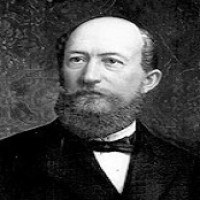
In 1881, the Bayer Company became a joint stock company called Farbenfabriken vorm. Friedr. Bayer & Co.
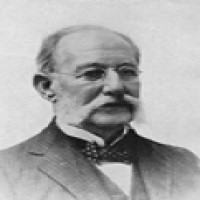
In 1881, Carlos Finlay, a Cuban doctor and scientist, proposed that yellow fever was transmitted by mosquitoes. Finlay’s…
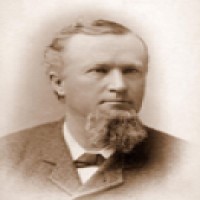
On Oct. 6, 1880, the University of Southern California (USC) was founded. USC traces its origins to Judge…

On Oct. 6, 1880, University of Southern California College of Medicine (USC) was established, the first in Southern…

In 1880. Peter Collier, a chief chemist at the U.S. Department of Agriculture, recommended passage of a national…
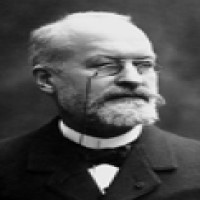
In 1880, french Military surgeon Charles Laveran while stationed in Algiers discovered the cause of malaria (“bad air”)…
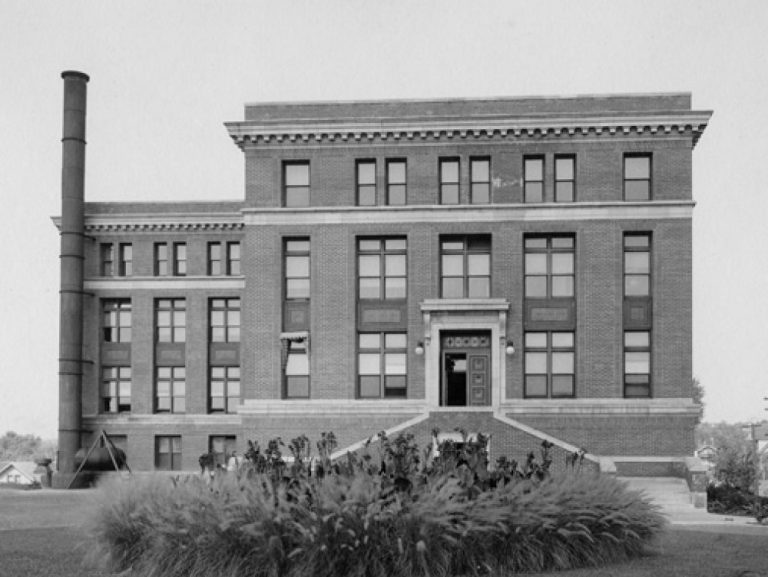
In 1880, Nebraska’s first medical college was founded, and in 1881 the college was reorganized and renamed the…

In 1880, the Oregon Railroad and Navigation company bought 360 acres of land, sight unseen, atop Marquam Hil,…
On Apr. 3, 1879, John B. Hamilton began service as Supervising Surgeon (later known as U.S. Surgeon General),…
In 1879, Seaman Knapp served as the second president of Iowa Agricultural College (ISU) from 1883-1884. In 1987,…

In 1879, the Virginia General Assembly amended MCVs charter to allow the College to confer a degree in…
In 1879, German biologist Walter Fleming stains chromosomes to observe them clearly and describes the process of mitosis.
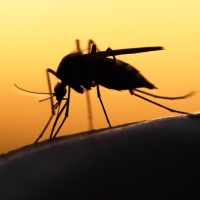
In 1879, following yellow fever outbreaks, the U.S. Congress established the National Board of Health, in part to…
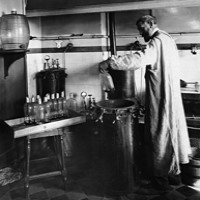
In 1879, Louis Pasteur created the first live attenuated bacterial vaccine (chicken cholera). He happened upon the method…

In 1879, the College of Veterinary Medicine was established at Iowa State University in Ames, the nation’s first…
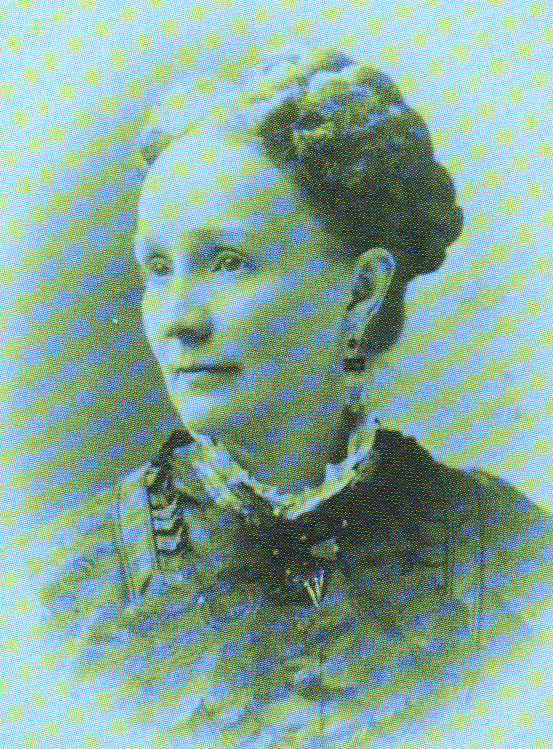
On Sept. 2, 1878, Creighton College opened its doors through a gift from Mary Lucretia Creighton who required…

On Aug. 2, 1878, the Sisters of Charity of Providence opened Seattle’s first hospital at Fifth Avenue and…
On Apr. 29, 1878, an Act of the U.S. Congress to Prevent the Introduction of Contagious or Infectious…

In 1878, The first description of avian influenza (bird flu) dates to 1878 in northern Italy, when it…
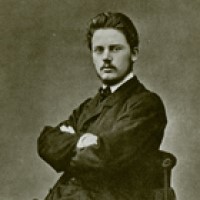
In 1878, Gustaf de Laval patented the centrifugal cream separator in 1878 and a great number of other…
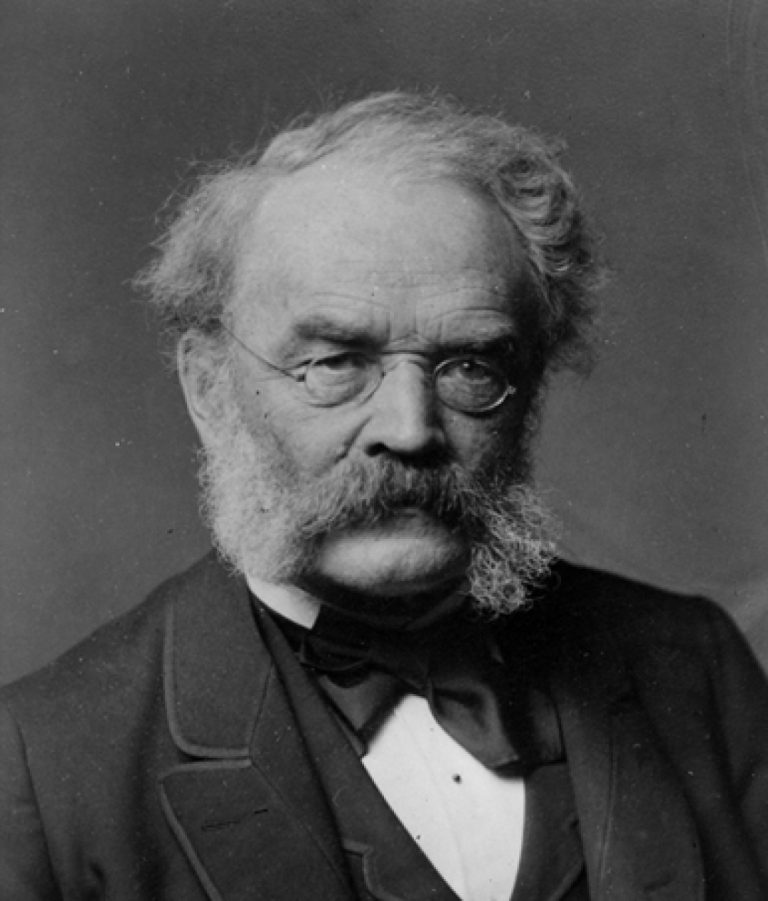
In 1878, Siemens, now Sivantos,ᅠdevelopedᅠ the ᅠPhonophor, the first ᅠtechnicalᅠ solutionᅠ for ᅠhearing ᅠloss. The history of electrical…
In 1878, Sir Patrick Manson demonstrated that a parasite that causes human disease could infect a mosquito. In…
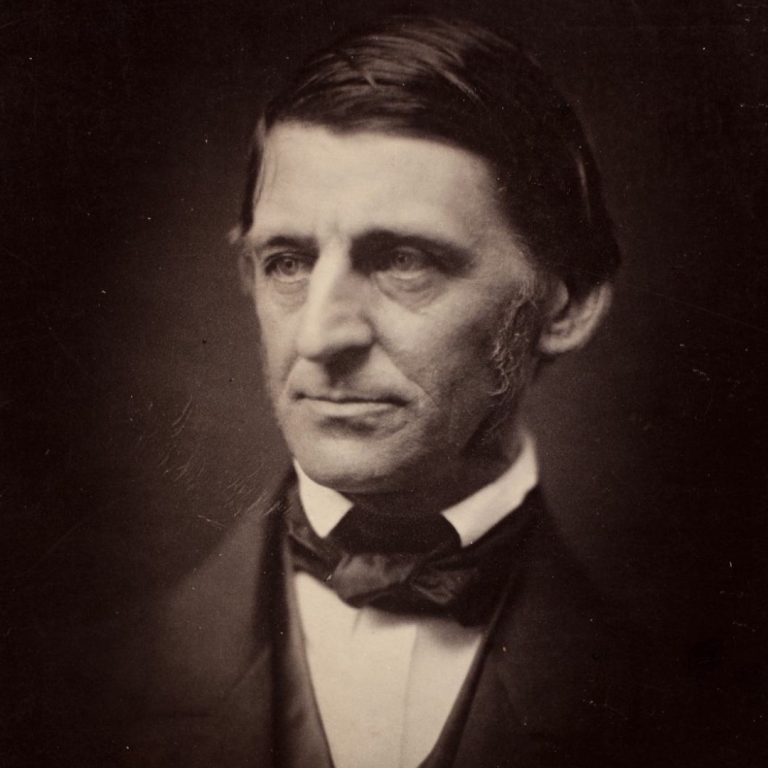
In 1878, Ralph Waldo Emerson suggested that weeds are actually plants whose virtues have not yet been discovered….
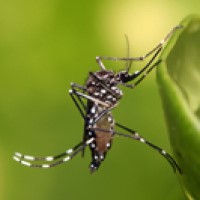
In 1878, the yellow fever epidemic raged along the Mississippi River Valley.
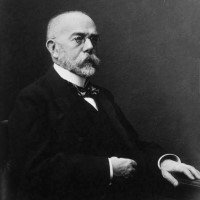
In 1877, german chemist Robert Koch and his team also developed ways of staining bacteria to improve the…
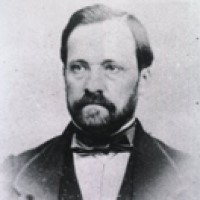
In 1877, Louis Pasteur noted that some bacteria die when cultured with certain other bacteria, indicating that some…

On Apr. 6, 1876, thirty-five chemists met at the College of Pharmacy of the City of New York…
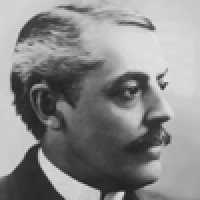
In 1876, Eli Lilly and Company was founded by Colonel Eli Lilly in Indianapolis, Indiana. Colonel Lilly, a…
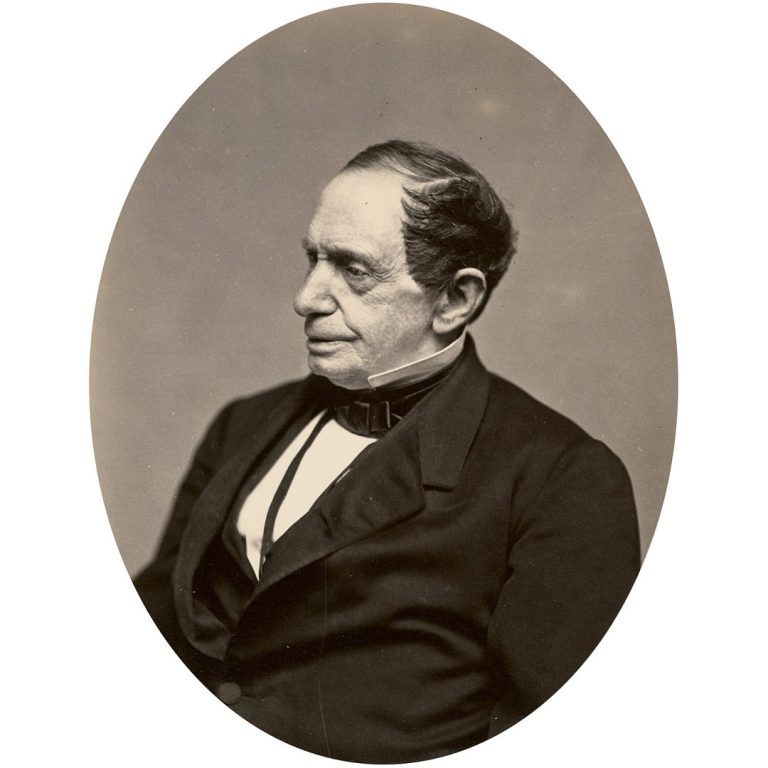
In 1876, Johns Hopkins University in Baltimore was founded with $3.4 million bequeathed from it’s name sake to…
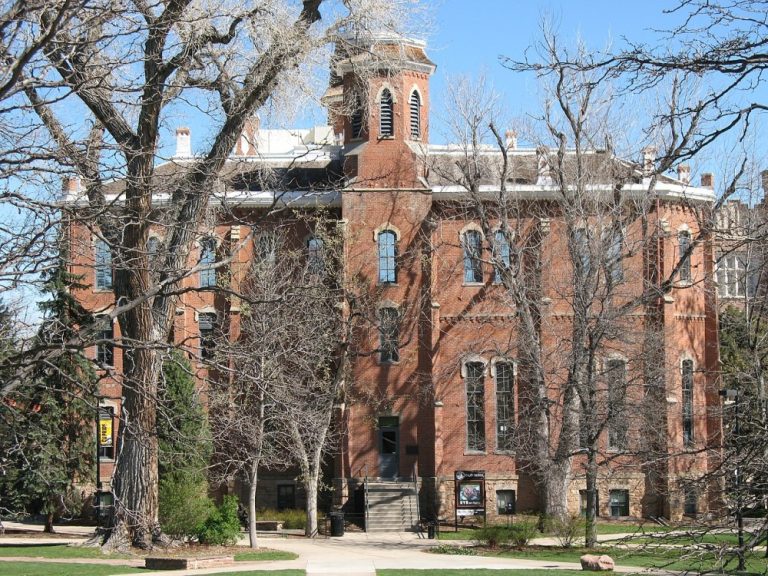
In 1876, the University of Colorado (CU), and includes three unique campuses — Boulder, Colorado Springs, and the…