Cleveland Health Commissioner announced the lifting of the city’s closure order and gathering ban due to pandemic
On Nov. 10, 1918, Cleveland Health Commissioner Dr. Harry L. Rockwood announced the lifting of the city’s closure…
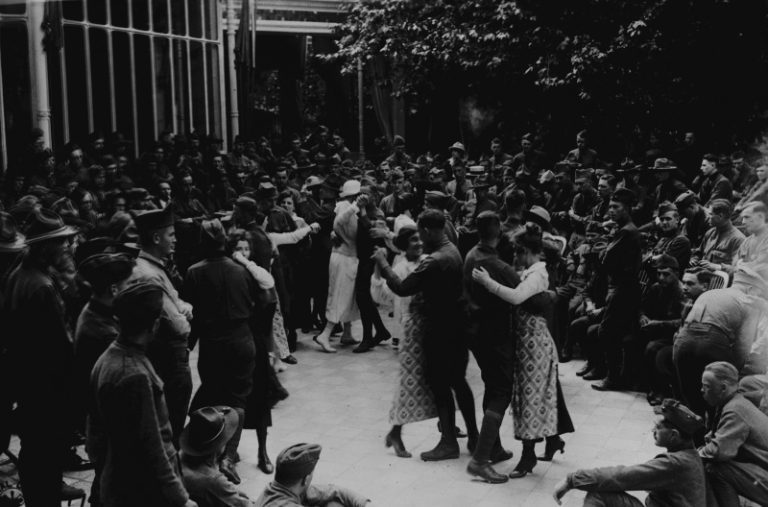
On Nov. 10, 1918, Cleveland Health Commissioner Dr. Harry L. Rockwood announced the lifting of the city’s closure…
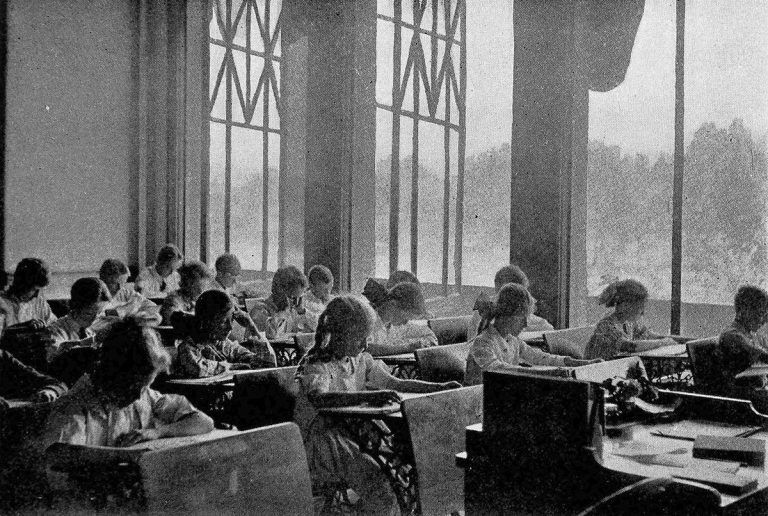
On Nov. 9, 1918, in Pittsburgh, Director of the Department of Health Dr. W. H. Davis announced that…
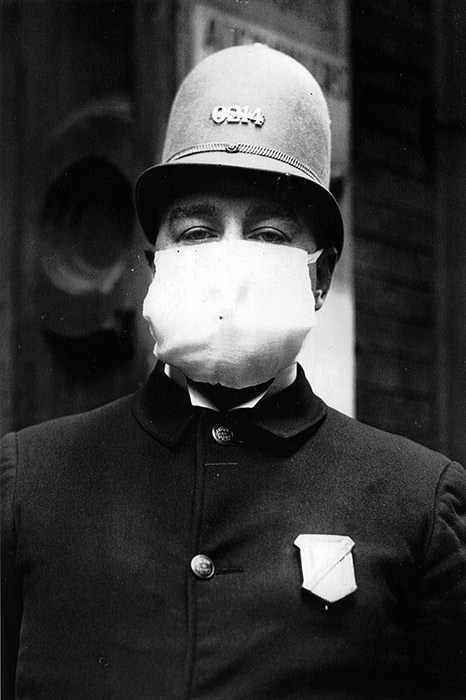
On Nov. 9, 1918, Los Angeles City Council enacted staggering hours to reduce crowding on streetcars to try…
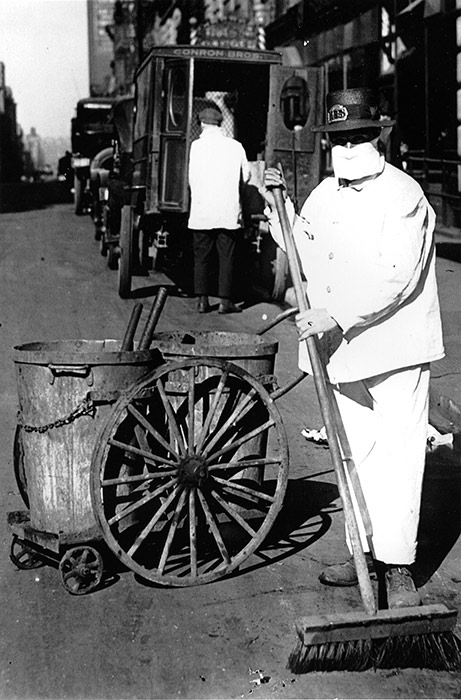
On Nov. 9, 1918, St. Louis Health Commissioner Dr. Max C. Starkloff ordered all non-essential voters, businesses, and…
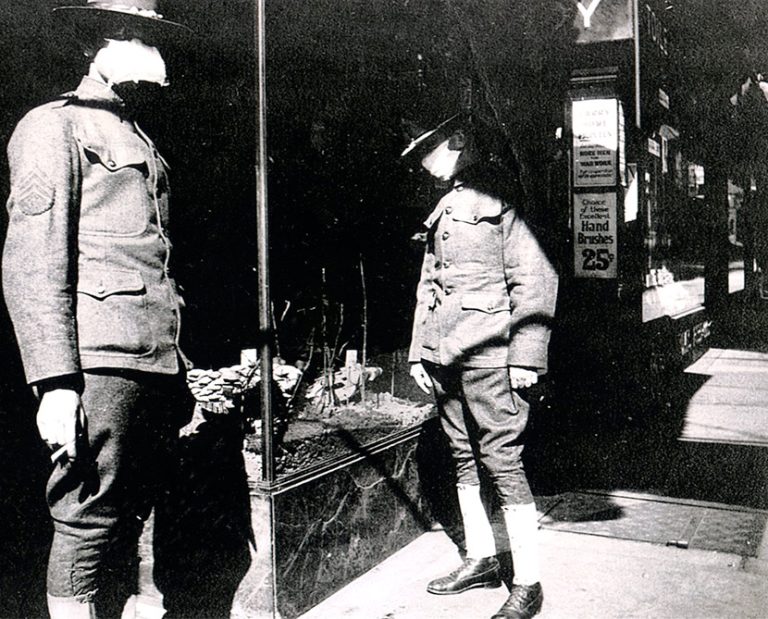
On Nov. 6, 1918, following improved influenza case numbers, the Kentucky Board of Health lifted the closure order…
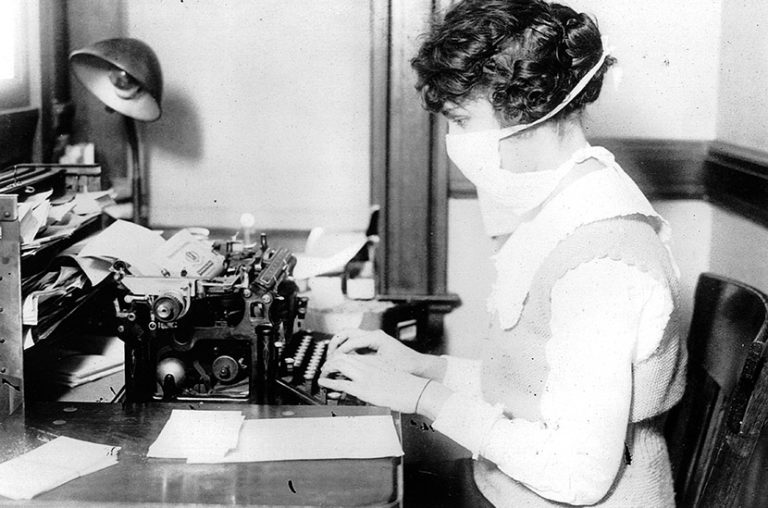
By Nov. 5, 1918, Cleveland began reopening its downtown businesses with restricted hours. By the first days of…
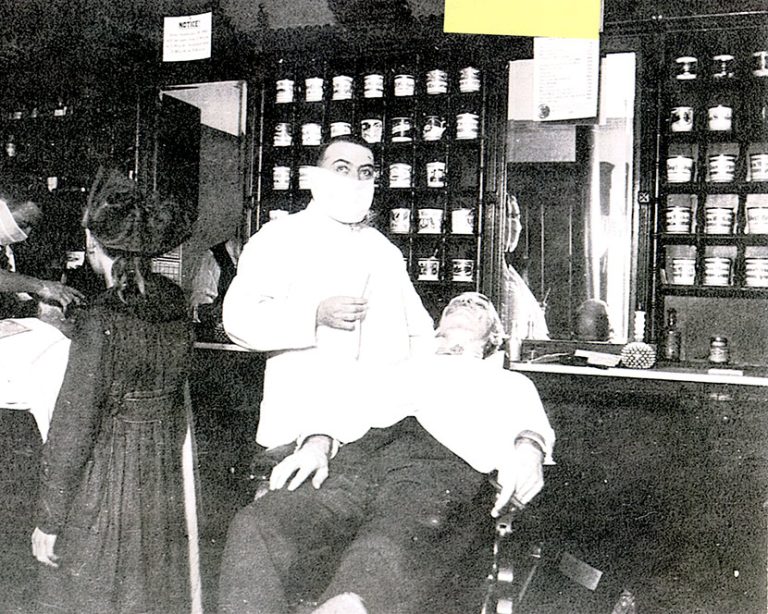
On Nov. 4, 1918, after a decline in the explosive influenza case numbers, Pennsylvania health officials lifted closure…
On Nov. 4, 1918, Birmingham schools reopened. Other schools in the county remained closed for the time being….
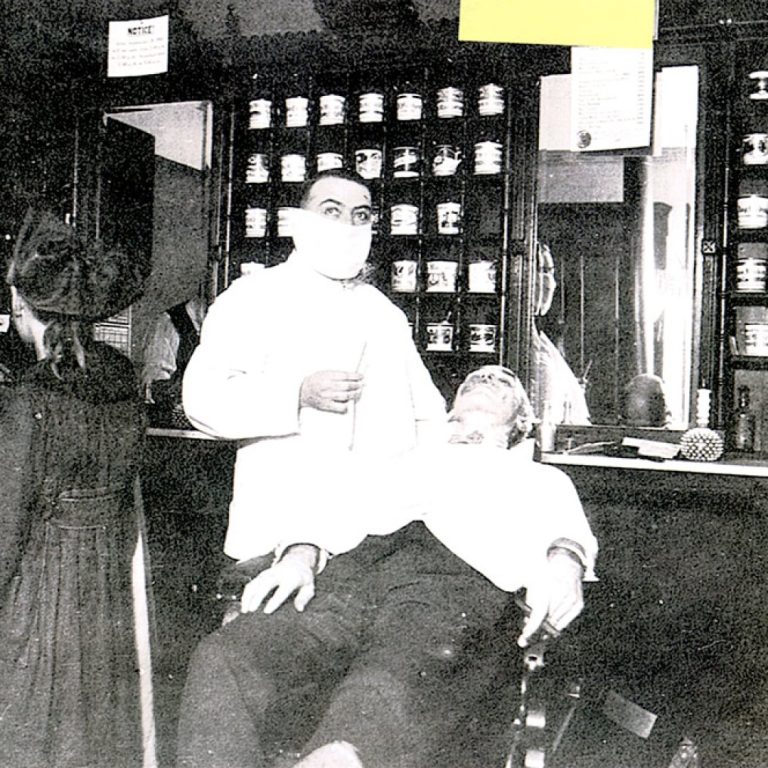
On Nov. 4, 1918, New York’s declining daily influenza case counts led to an ending of any staggered…
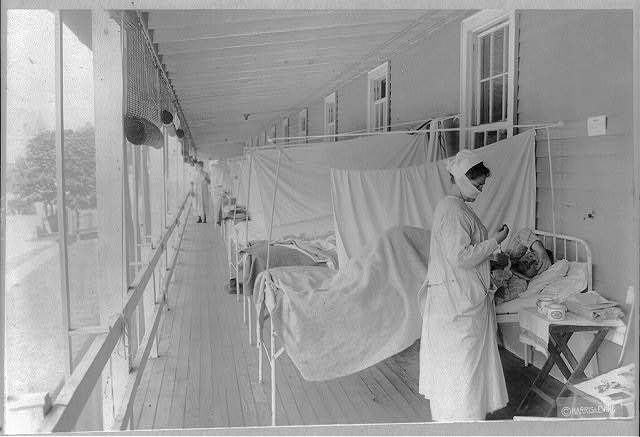
On Nov. 3, 1918, it was becoming clear to all that St. Paul’s influenza situation was not improving,…
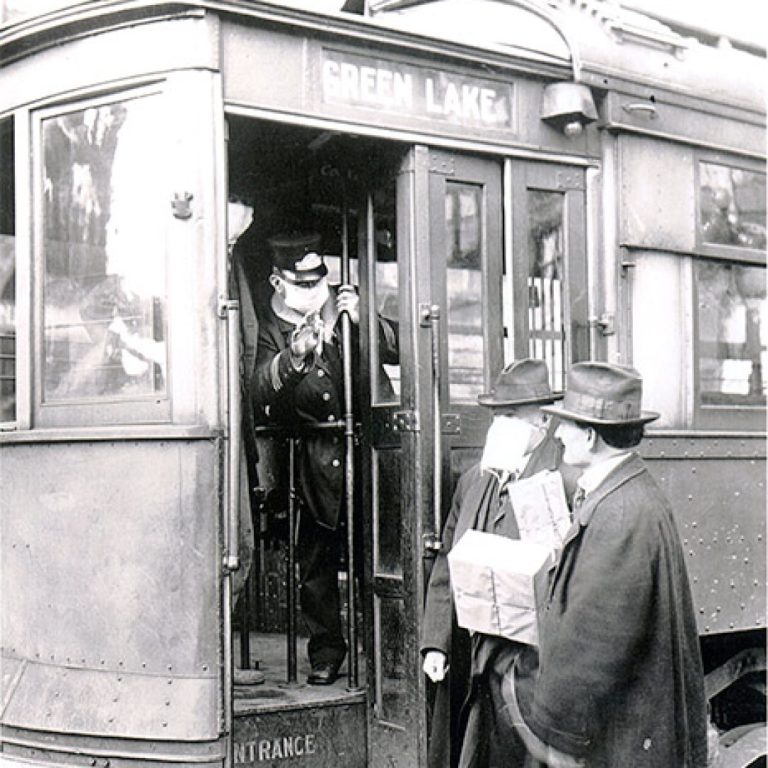
On Nov. 2, 1918, Baltimore health commissioner Dr. John Blake removed the city’s closure order. Public schools were…
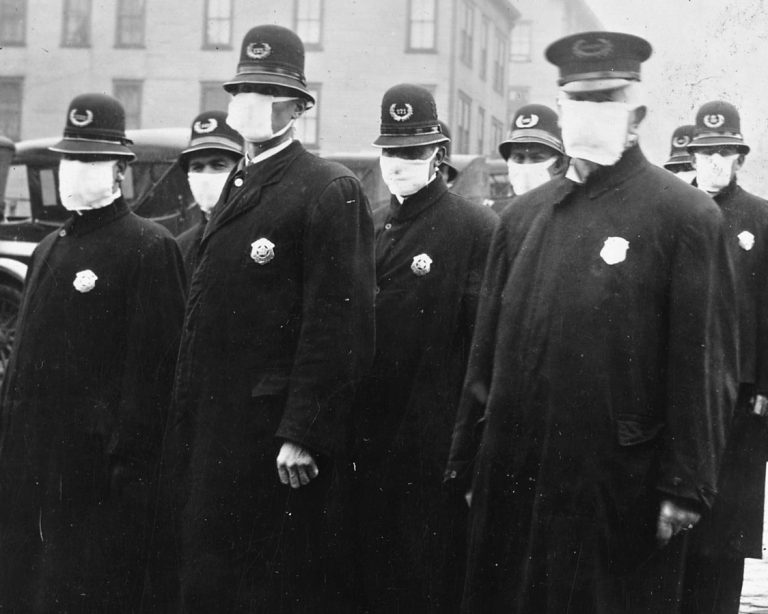
On Nov. 2, 1918, Health Commissioner Dr. Max C. Starkloff, ordered St. Louis policemen in department stores and…
On Nov. 1, 1918, much of Chicago reopened, with inspections and other rules in place. In most cities,…
On Nov. 1, 1918, both the state board of health and Omaha’s health commissioner announced the lifting of…
On Nov. 1, 1918, the city of Albany reported 7,091 cases of influenza, and no hospital deaths were…
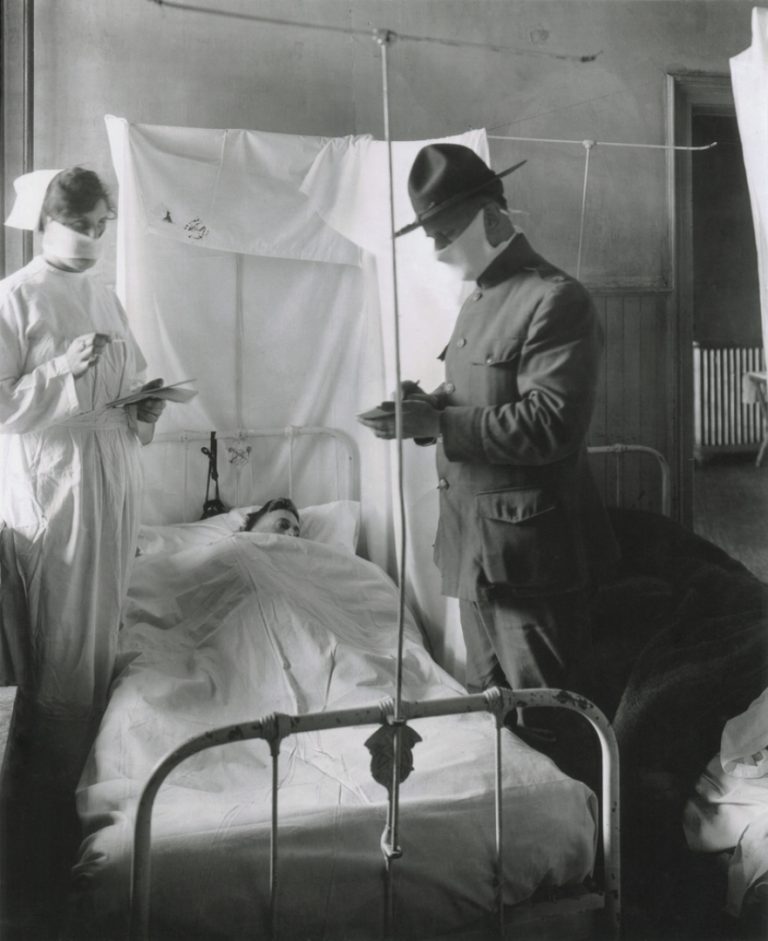
By Nov. 1, 1918, Nashville had reported a total of 40,000 influenza cases and 392 deaths, with thousands…
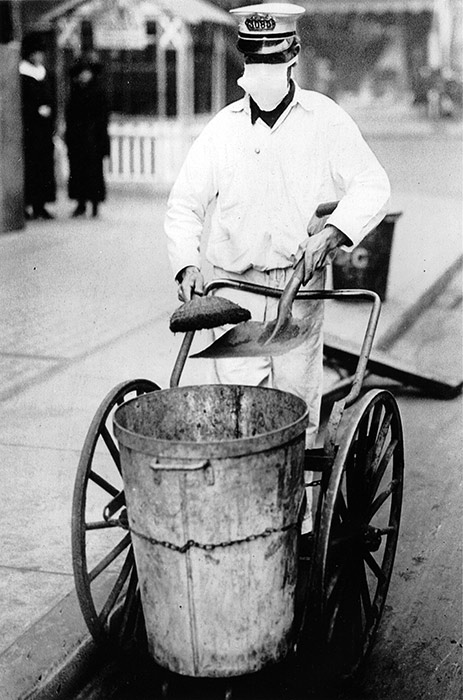
On Oct. 31, 1918, the Los Angeles City Council passed anti-influenza ordinances requiring tenants of properties to clean…
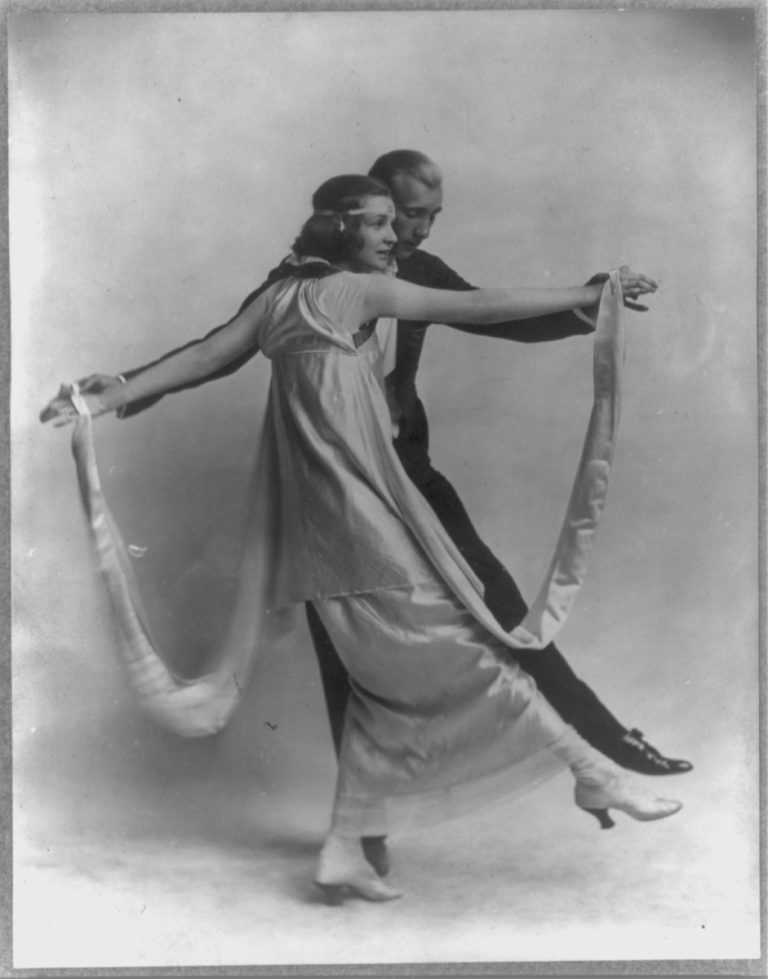
On Oct. 31, 1918, Dallas Mayor Lawther announced the step-wise lifting of closure orders due to influenza, allowing…
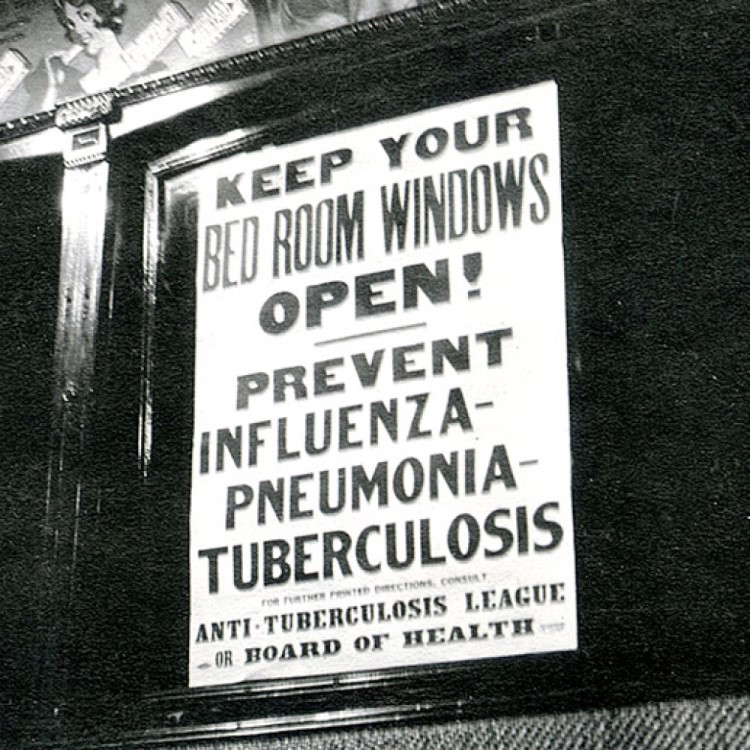
On Oct. 29, 1918, Washington D.C. influenza closure orders were rescinded, allowing churches to reopen on Thursday, October…
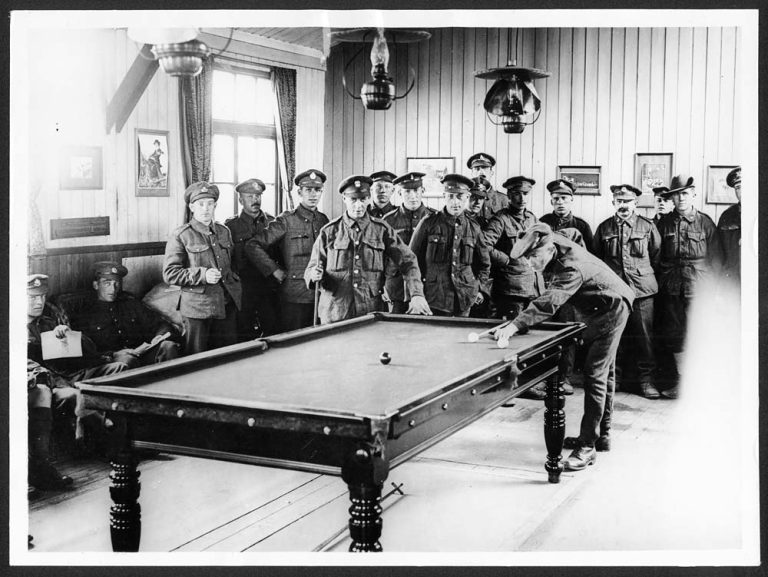
On Oct. 28, 1918, Atlanta power curtailments were relaxed and theaters returned to normal operating hours. The Atlanta,…
On Oct. 28, 1918, after Chicago influenza case tallies had declined, many bans were removed to that music,…
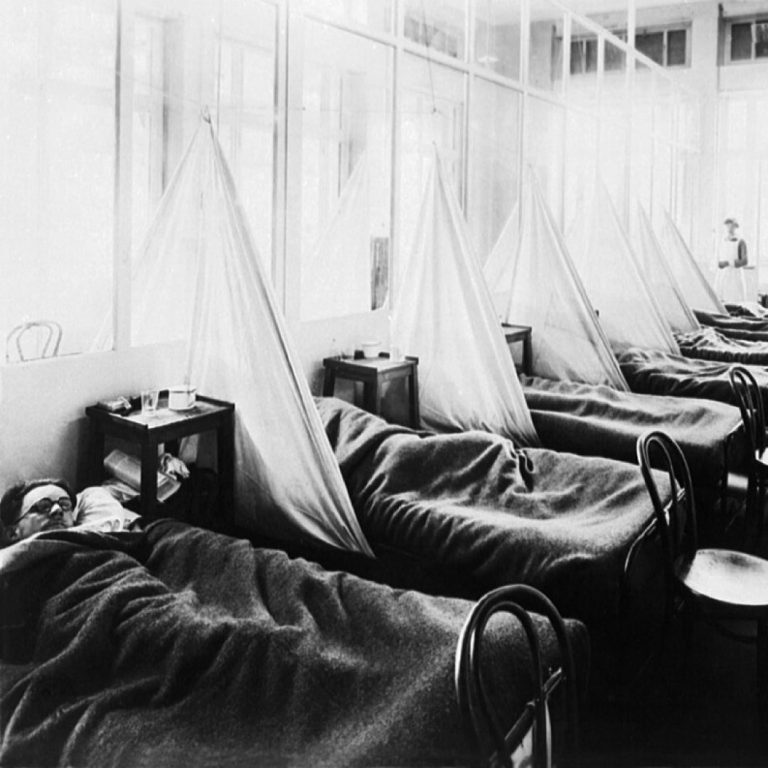
On Oct. 28, 1918, after a decline in the explosive influenza case numbers, Pennsylvania health officials lifted closure…
On Oct. 27, 1918, by the last week of October, Cincinnati seemed to be rounding the bend. New…
On Oct. 26, 1918, Baltimore health commissioner Blake decided to allow churches, retail stores, movie houses, theaters, poolrooms,…
On Oct. 25, 1918, at the direction of the health department, Detroit teachers began training to volunteer to…
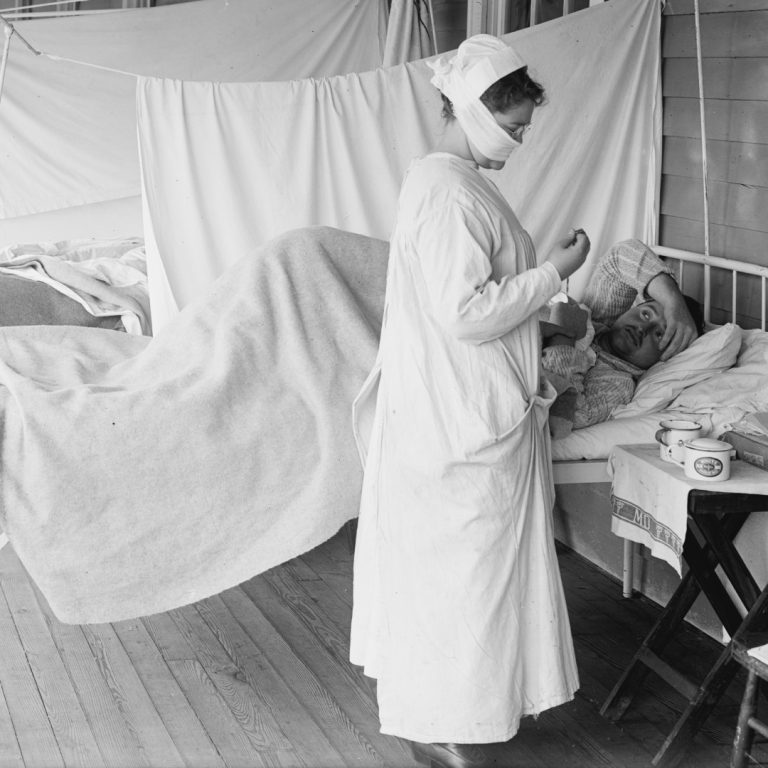
On Oct. 25, 1918, in response to the growing epidemic, the Utah board of health discussed a statewide…
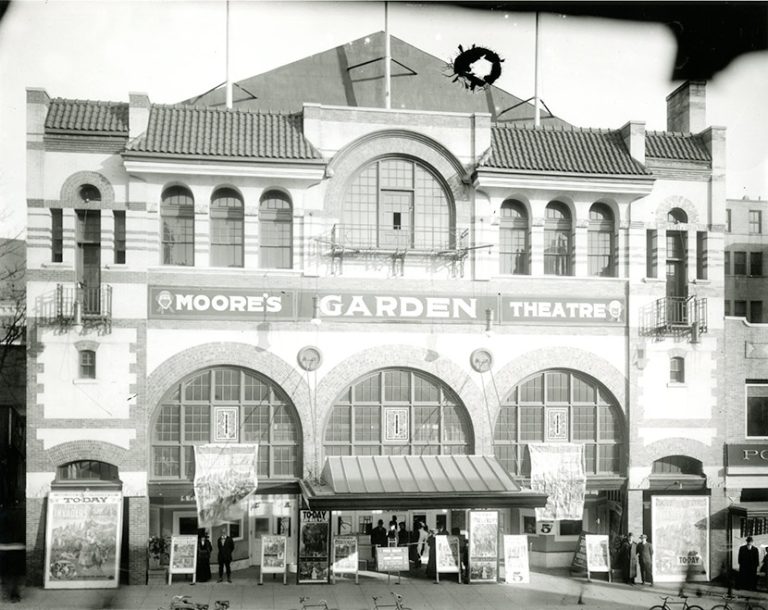
Oct. 24, 1918, the city of Albany was reopened. Schools and most movie houses were to remain closed…
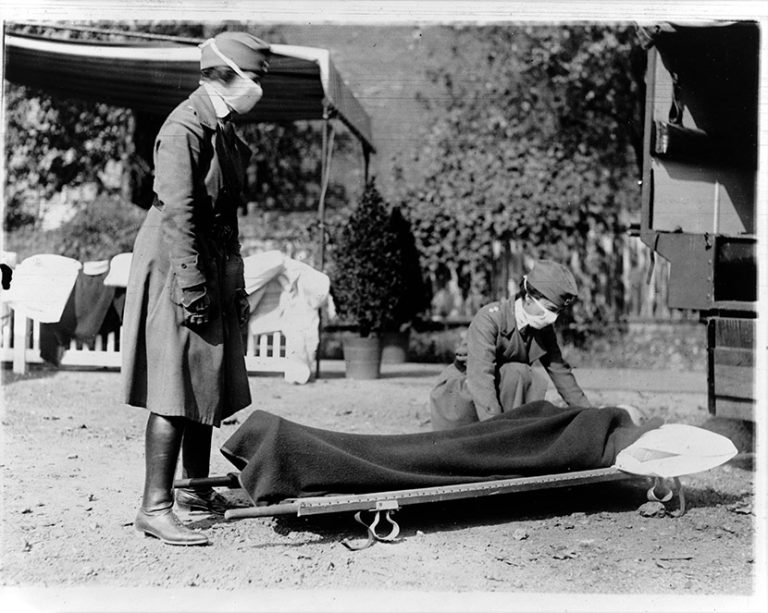
On Oct. 23, 1918, St. Paul health officer Dr. B. F. Simon proudly announced that there had only been…
On Oct. 23, 1918, the Los Angeles Times ran a statement from the California Governor William Dennison Stephens…
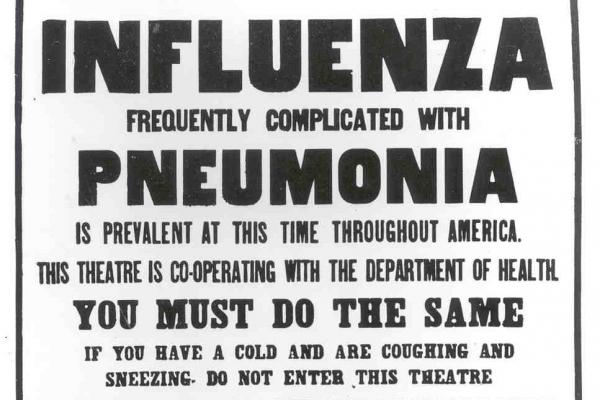
On Oct. 22, 1918, the Nebraska Board of Health ordered a statewide gathering ban on groups of twelve…