The Ryan White Comprehensive AIDS Resources Emergency Act was signed into law by President George HW Bush
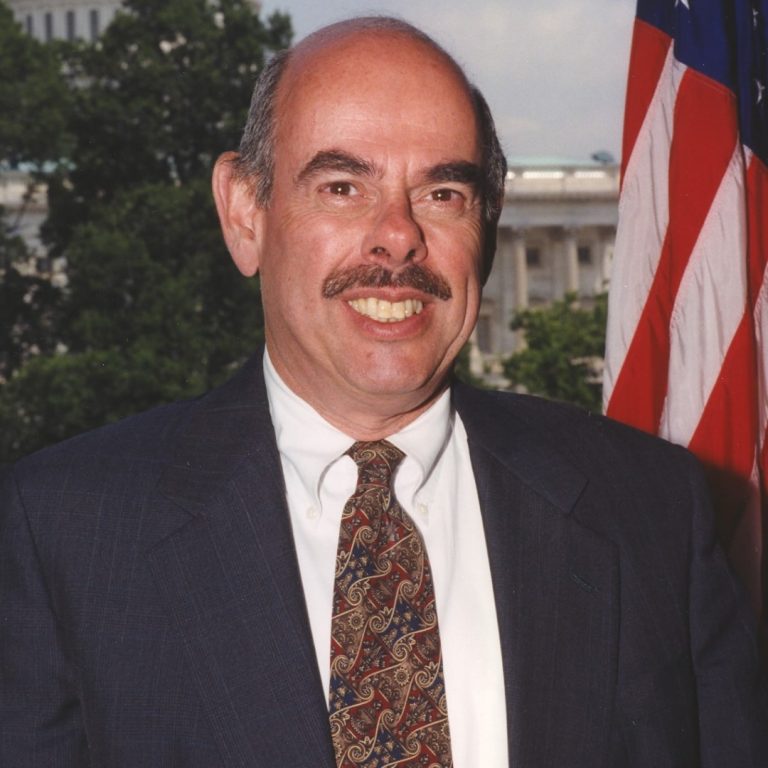
On Aug. 18, 1990, the Ryan White Comprehensive AIDS Resources Emergency Act was signed into law by President…
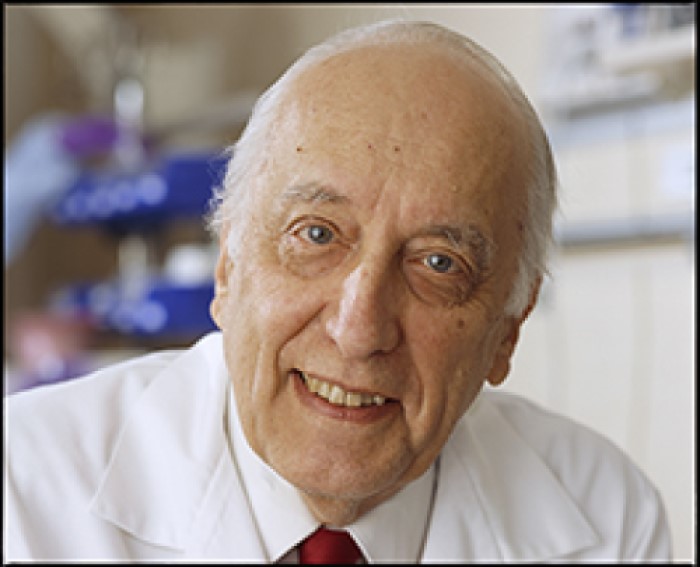
In 1989, McGill University researcher Dr. Bernard Belleau developed the antiviral drug 3TC (Lamivudine), which became a critical…
On Dec. 1, 1988, World AIDS Day is held on December 1 each year and is an opportunity…
On Jun. 25, 1988, the U.S. Postal Service (USPS) proposed to ban mailings of microbe samples capable of…
In 1988, the Center for AIDS Research at Albert Einstein Cancer Center was funded by the National Institutes…
In 1987, the U.S. Centers for Disease Control and Prevention (CDC) released the results of a study on…
On Feb. 1, 1987, the World Health Organization (WHO) launched its Global Program on AIDS as the architect…
In Aug. 1987, the U.S. Centers for Disease Control and Prevention (CDC) published guidelines on preventing HIV transmission…
In 1987, The National Native American AIDS Prevention Center (NNAAPC) was founded by American Indian and Alaska Native…
In 1987, the FDA approved first Western blot blood test more specific HIV diagnostic test and AZT as…
In 1986, University of California San Diego Center for AIDS Research (CFAR) was designated one of eight national…
In Apr. 15, 1985, the first International AIDS conference, held in Atlanta, Georgia, was organized by the WHO,…
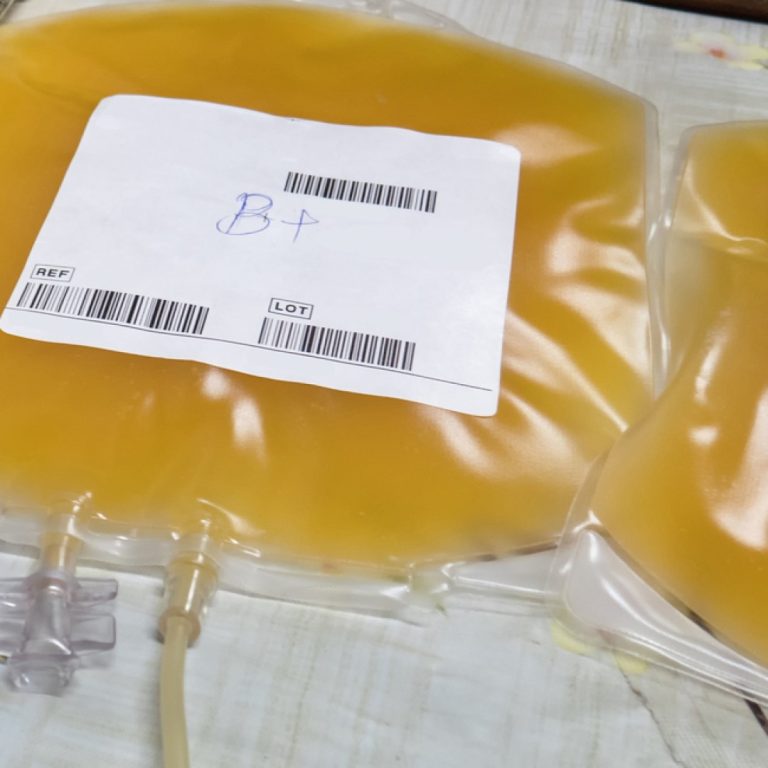
On Mar. 4, 1985, the Red Cross Blood Services began testing all newly donated blood with the first…
On Mar. 2, 1985, the FDA announced the approval of the Abbott first antibody test kit to screen…
In 1985, the U.S. Centers for Disease Control and Prevention (CDC) revised the case definition of AIDS to…
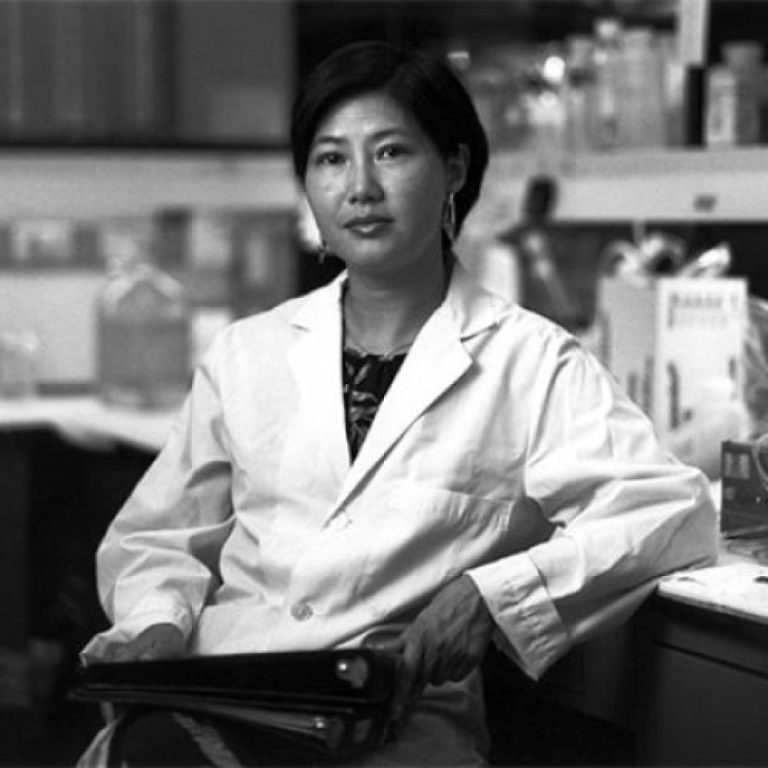
In 1985, virologist Flossie Wong-Staal became the first person to clone HIV, which led to the development of…
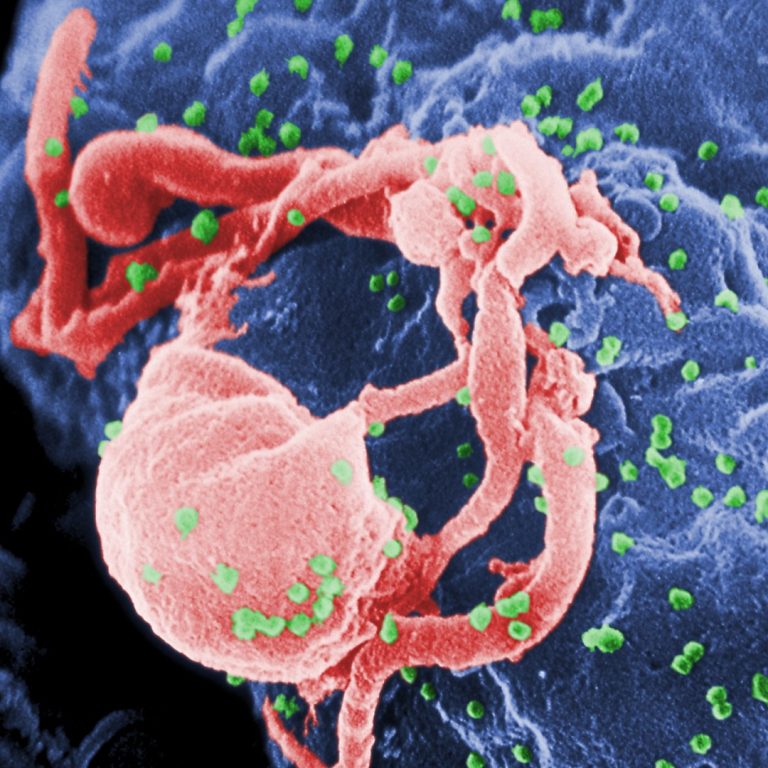
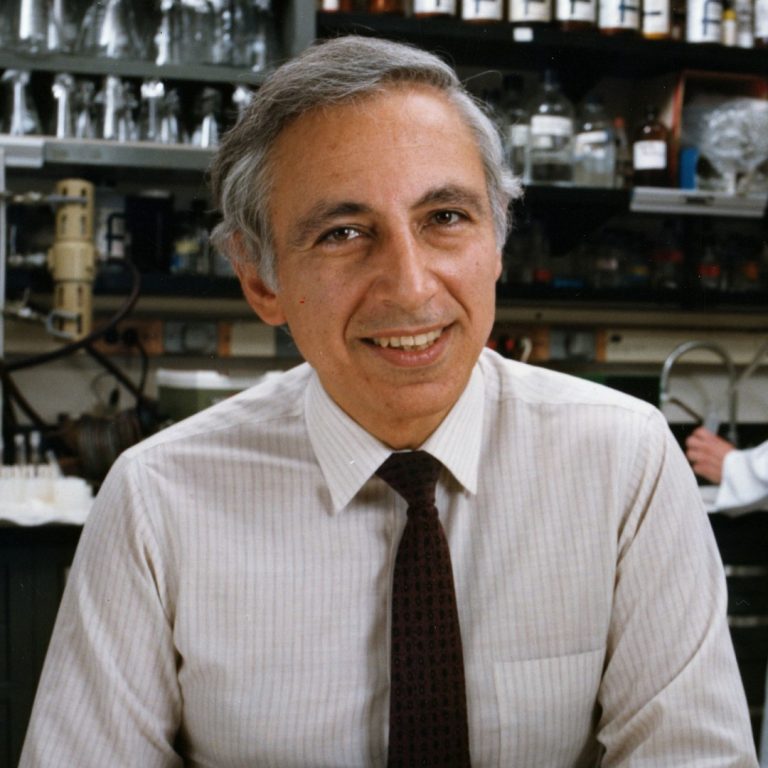
On Apr. 23, 1984, a National Cancer Institute (NCI) scientist, Dr. Robert C. Gallo announced his team’s discovery of…
On Jun. 22, 1983, the American Association of Blood Banks, the Council of Community Blood Centers, and the…
On Jan. 4, 1983, epidemiologic evidence that the AIDS agent was blood-borne led to official meetings and public…
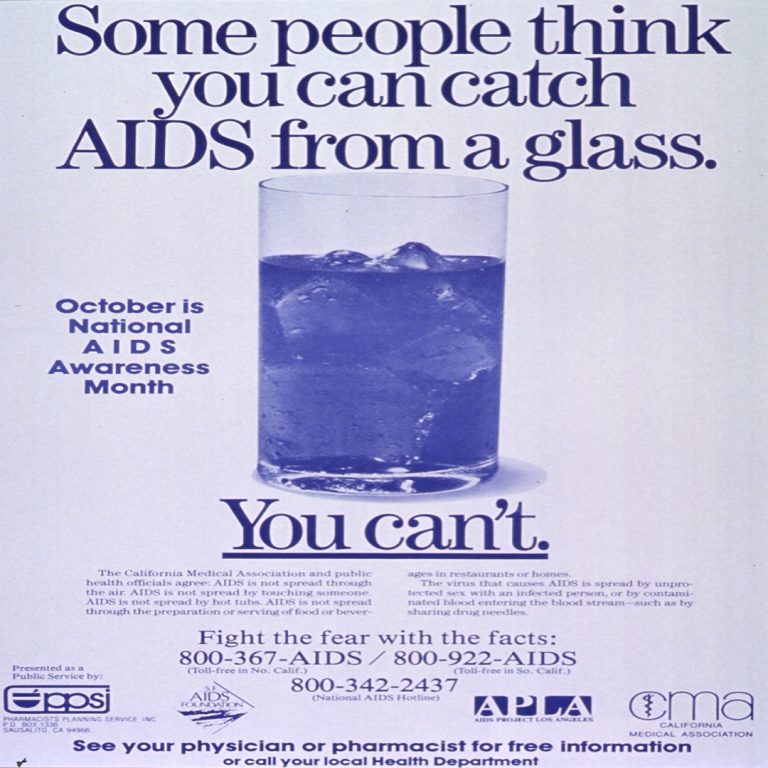
In 1983, the U.S. Centers for Disease Control and Prevention (CDC) established the National AIDS Hotline (NAH) to…
On Dec. 10, 1982, the U.S. Centers for Disease Control and Prevention (CDC) provided an update on AIDS…
On Jul. 27, 1982, a meeting in Washington, DC, attended by federal officials, university researchers, community activists, and…
On Jul. 15, 1982, The U.S. Centers for Disease Control and Prevention (CDC) reported 413 cases of the…
On Jun. 30, 1982, persuasive evidence that the HIV disease was caused by an infectious agent was presented…
On Mar. 3, 1982, a conference on the new HIV disease was held by the U.S. Public Health…
On Jan. 15, 1982, the second AIDS patient was admitted to the National Institute of Allergy and Infectious…
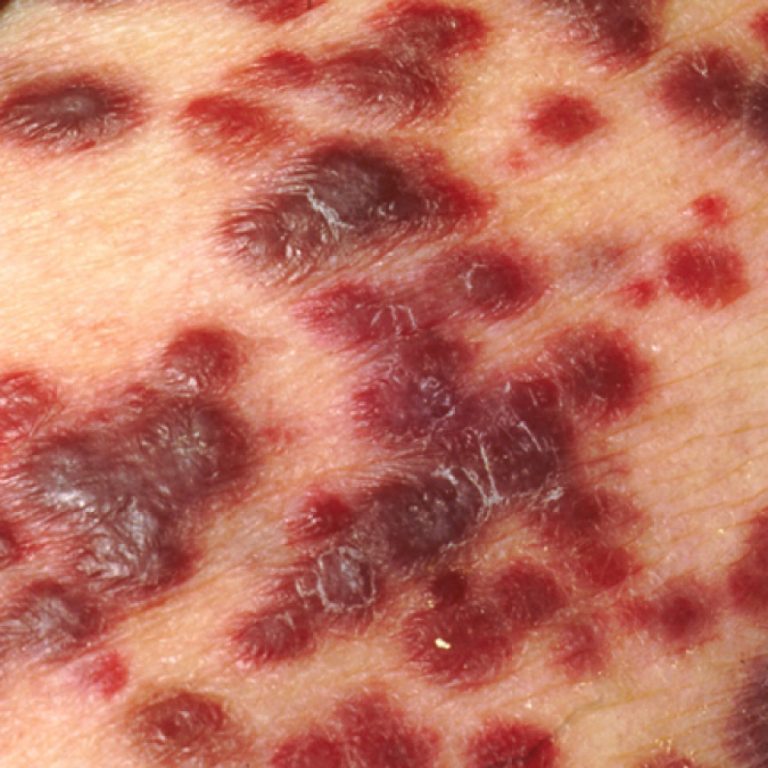
On Jun. 15, 1981, the National Cancer Institute (NCI) sponsored a conference in Bethesda, MD, on Kaposi’s Sarcoma…
On Jun. 16, 1981, Dr. Thomas Waldmann with the National Cancer Institute (NCI), part of the National Institutes…
In 1981, the U.S. Centers for Disease Control and Prevention (CDC) established the International Health Program Office, now…
On May 12, 1977, the Program for the Introduction and Adaptation of Contraceptive Technology (PIACT) was founded by…