SIGA supplied TPOXX (Tecovirimat) as compassionate treatment for Mpox case in the Central African Republic
On Jul. 29, 2021, SIGA Technologies announced that it had entered into a collaboration with Oxford University in…
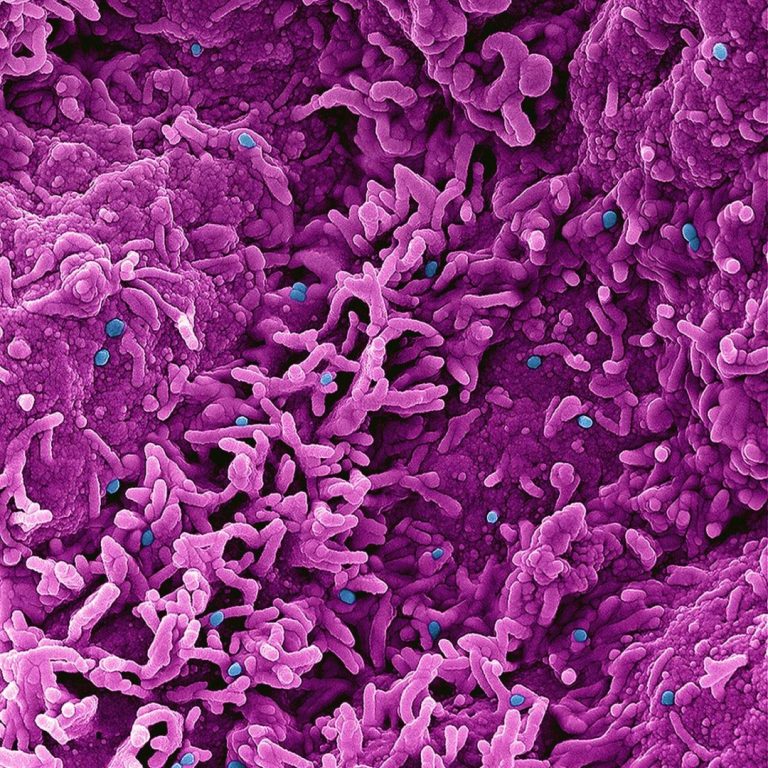
On Jul. 29, 2021, SIGA Technologies announced that it had entered into a collaboration with Oxford University in…

On Dec. 12, 2020, Amarin announced clinical results from the CardioLink-9 Trial, the first results of a study…

On Nov. 10, 2020, 3M announced that its TB Quat Disinfectant Ready-to-Use Cleaner had been approved by the…

On Apr. 27, 2020, Yield10 Bioscience announced that it has obtained a positive response from USDA-APHIS’s Biotechnology Regulatory Services…

On June 22, 2016, President Barack Obama signed the Frank R. Lautenberg Chemical Safety for the 21st Century…

On May 28, 2010, the National Institute for Occupational Safety and Health (NIOSH) received a request for a…

In 2009, the U.S. Centers for Disease Control and Prevention (CDC) addressed widespread asbestos contamination in Libby, Montana….

In 2003, the U.S. Environmental Protection Agency (EPA) approved the first transgenic rootworm-resistant corn developed by Monsanto under…

On Apr. 10, 2000, the Oregon Health Science Centers (OHSU) Center for Research on Occupational and Environmental Toxicology…

Dec. 5, 1996, marked the first time that all home buyers and tenants have the right to know…

On Jan. 29, 1996, Environmental Protection Agency (EPA) Administrator Carol M. Browner took the last steps concluding a…

In 1996, the U.S. Centers for Disease Control and Prevention (CDC) found evidence of tobacco smoke exposure in…

On Aug. 22, 1995, the Environmental Protection Agency (EPA) approved the commercial production and distribution of the Bt…

On Jun. 27, 1991, the U.S. Environmental Protection Agency (EPA) approved two pesticides containing genetically engineered bacteria, marking…
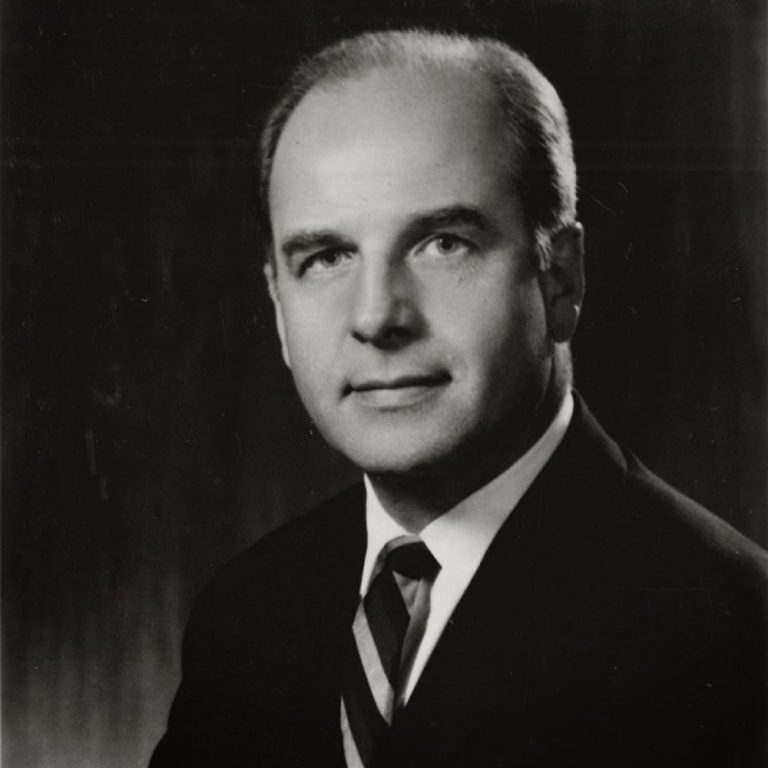
On Apr. 22, 1990, the second Earth Day was celebrated by more than 225 million people. The first…
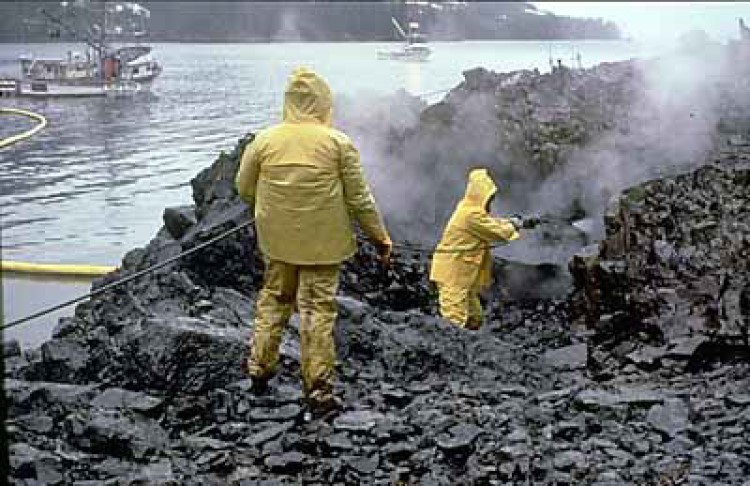
In 1990, the first tests and applications of microbials to combat oil spills were used with the Exxon…

On Mar. 24, 1989, the oil tanker Exxon Valdez ran aground in Prince William Sound, Alaska, spilling 11…

On May 26, 1987, vandals uprooted approximately 3,000 potato plants being studied with ice-minus bacterium on a half-acre…

On Apr. 29, 1987, University of California, Berkeley plant pathologist Steven Lindow field-tested genetically altered Pseudomonas syringae (known…

On Apr. 24, 1987, Advanced Genetic Sciences (AGS) sprayed Frostban on an acre of strawberry plants in Brentwood,…

On Mar. 4, 1985, the Environmental Protection Agency (EPA) Administrator Lee M. Thomas announced final standards to cut…

In 1985, Federal courts ruled that private companies don’t need National Institutes of Health’s (NIH) permission for field…
In 1984, the U.S. Environmental Protection Agency (EPA) announced that if you genetically engineer any microbe intended for…
On Feb. 7, 1983, Rita M. Lavelle, head of the U.S. Environmental Protection Agency’s Superfund program to clean…

In 1983, the National Institute of Health’s (NIH) Recombinant DNA Advisory Committee unanimously approved Lindow test. Stephen Lindow,…
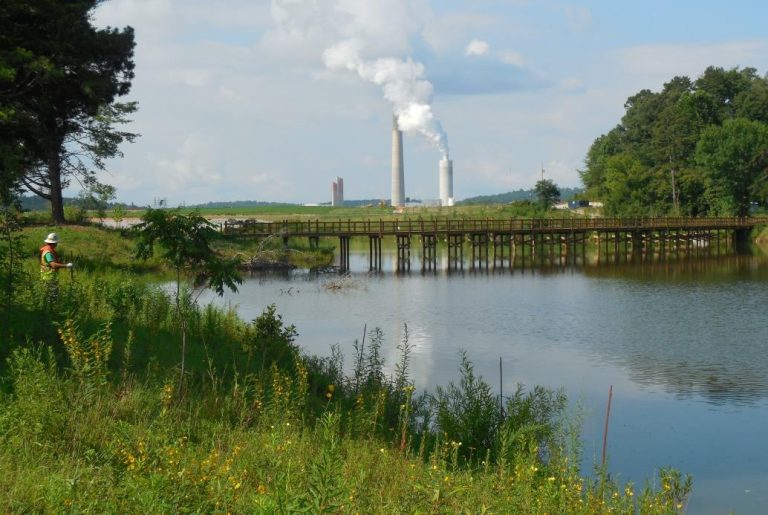
In July 1981, the U.S. Department of Health and Human Services assigned implementation of the Superfund Act to…
On Dec. 11, 1980, the Comprehensive Environmental Response, Compensation, and Liability Act (CERCLA), commonly known as Superfund, was…
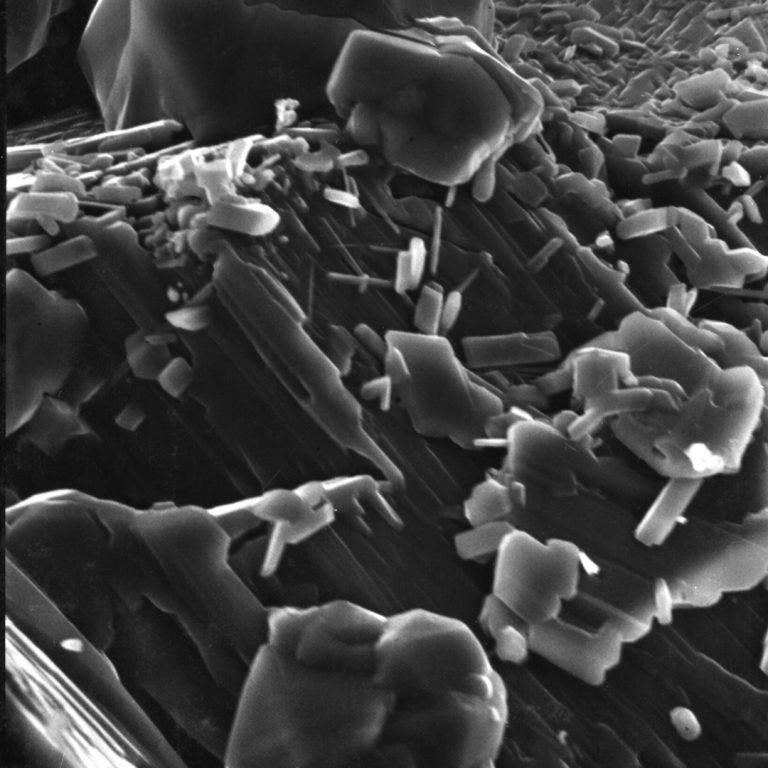
On May 30, 1980, the U.S. Centers for Disease Control and Prevention (CDC) released a report of health…
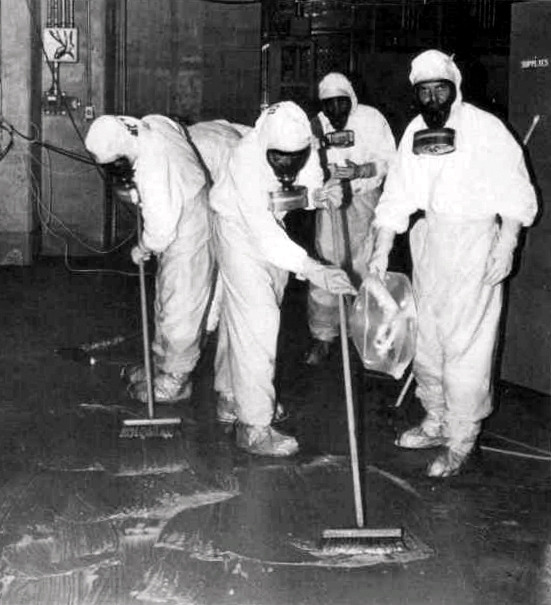
Om Mar. 28, 1979,the Three Mile Island Unit 2 (TMI-2) reactor, near Middletown, Pa., partially melted down resulting…

On Mar. 28, 1979, the U.S. Centers for Disease Control and Prevention (CDC) investigated health effects related to…