OHSU researcher uncovered macular degeneration gene
On Oct. 21, 2003, scientists at Oregon Health Sciences University’s (OHSU) Casey Eye Institute announced they had found…

On Oct. 21, 2003, scientists at Oregon Health Sciences University’s (OHSU) Casey Eye Institute announced they had found…
On Oct. 9, 2003, a Canadian-led international clinical trial found that post-menopausal survivors of early-stage breast cancer who…
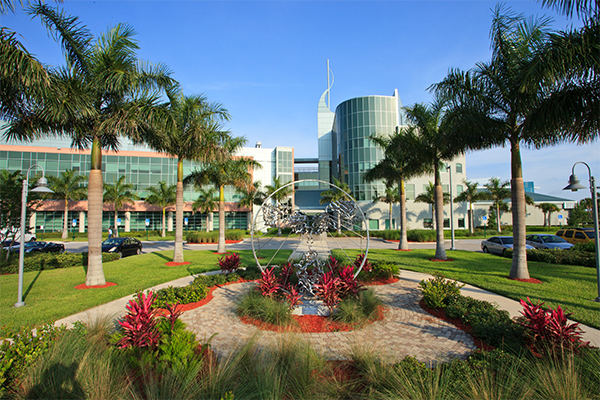
On Oct. 9, 2003, The Scripps Research Institute (TSRI) announced the establishment of a major science center in…

On Sept. 22, 2003 the Oregon Investment Fund was created with HB 3613 passage in the Oregon State…

On Sept. 4, 2003, the National Center for Research Resources (NCRR), a component of the National Institutes of…

On Aug. 25, 2003, The U.S. Food and Drug Administration (FDA) announced it had approved an expanded indication…

On Jun. 24, 2003, results of the Prostate Cancer Prevention Trial (PCPT), testing the effectiveness of finasteride to…
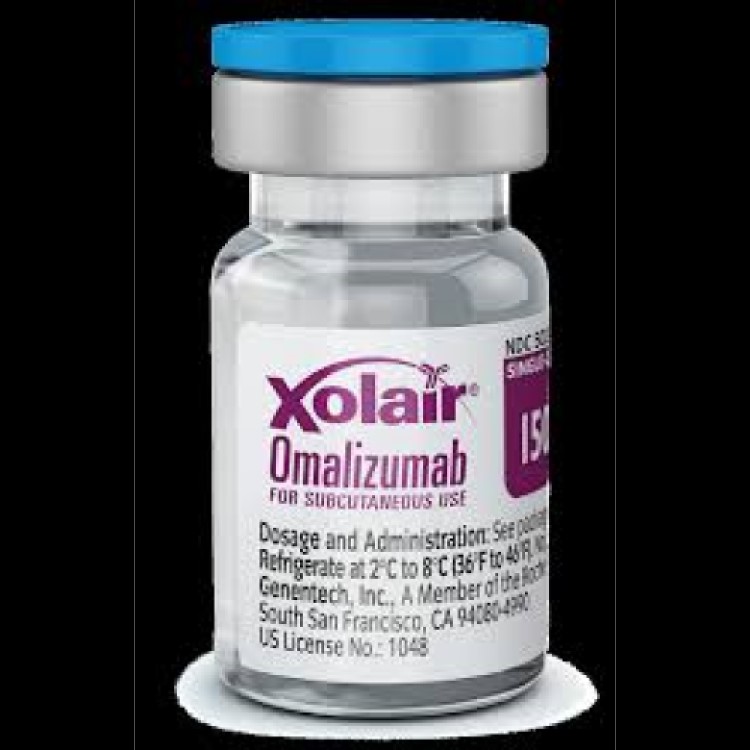
On Feb. 16, 2024, Genentech drug Xolair (omalizumab) was approved by the U. S. Food and Drug Administration…

On May 1, 2003, Mark Haddon’s The Curious Incident of the Dog in the Night-Time was published, allowing…

On Apr. 14, 2003, The International Human Genome Sequencing Consortium, led in the U.S. the National Human Genome…

On Mar. 5, 2003, taking daily aspirin for as little as 3 years was shown to reduce the…
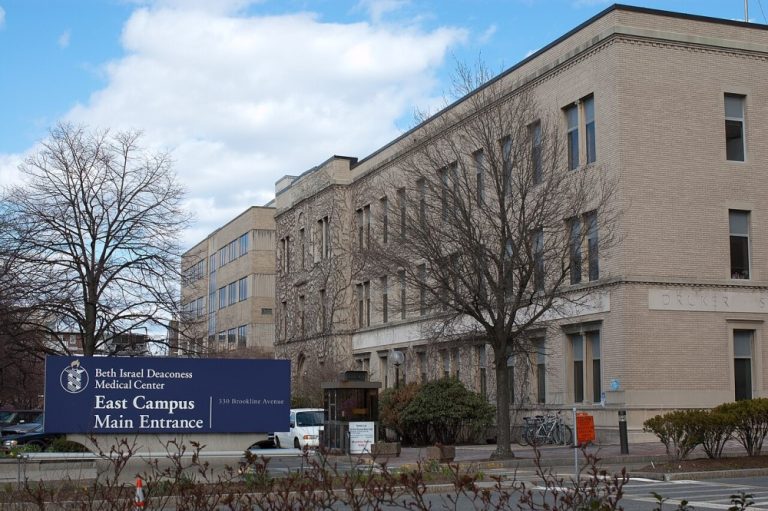
On Mar. 4, 2003, Beth Israel Deaconess researchers pinpointed the source of preeclampsia, a life-threatening complication of pregnancy. Also…

On Jan. 26, 2003, President George W. Bush, in his State of the Union Address, announced the Emergency…
On Jan. 10, 2003, long-term efficacy and safety of etanercept (Enbrel) was found in children with polyarticular-course juvenile…

In 2003, the Medical University of South Carolina and Clemson University established a joint Bioengineering Program. Located on…

On Dec. 24, 2002, the U.S. Food and Drug Administration’s (FDA) Office of Combination Products (OCP) was formed within…

On Dec. 12, 2002, the National Cancer Institute (NCI) announced that a clinical trial had shown that reducing…
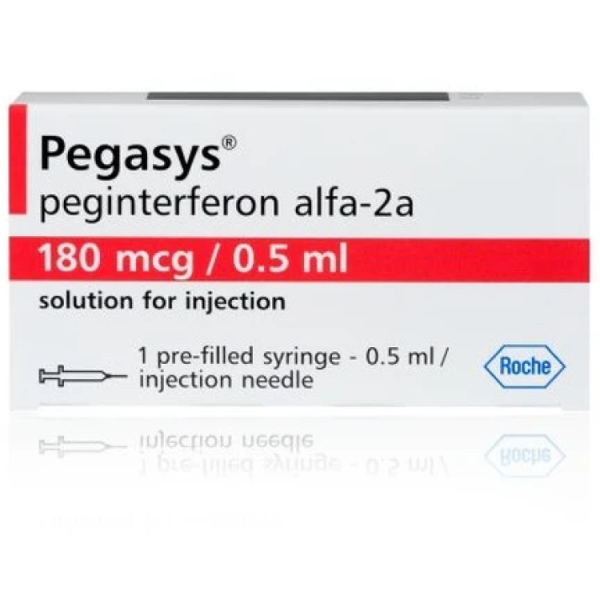
On Dec. 3, 2002, Genentech drug Pegasys (peginterferon alfa-2a) was approved by the Food and Drug Administration (FDA)…

On Sept. 18, 2002, the National Cancer Institute (NCI) launched the National Lung Screening Trial to compare two…

In Sept. 2002, the Alberta Innovates Centre for Carbohydrate Science (now Alberta Glycomics Centre), began operation with a…

In February 2002, the doors opened to the John Stroger Hospital of Cook County, a new state-of-the-art, 464-bed,…

In 2002, the Cancer Center at Baylor College of Medicine, now known as the Dan L Duncan Comprehensive…

On Jul. 30, 2002, clinical researchers announced they had teamed together to perform the first human islet transplants…

On Dec. 12, 2001, the World Health Organization (WHO) confirmed an outbreak of Ebola in Gabon. The WHO…

On Nov. 7, 2001, the Oregon Health Sciences University Foundation (OHSU) announced that the Klamath Falls-based JELD-WEN Foundation…
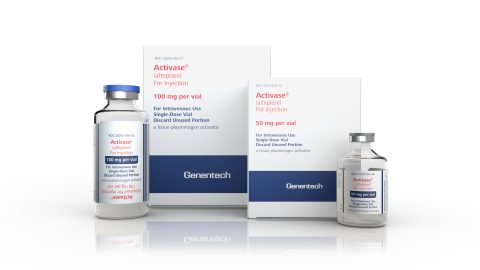
On Sept. 13, 2001, the Food and Drug Administration (FDA) announced it had approved Genentech’s request for it’s…
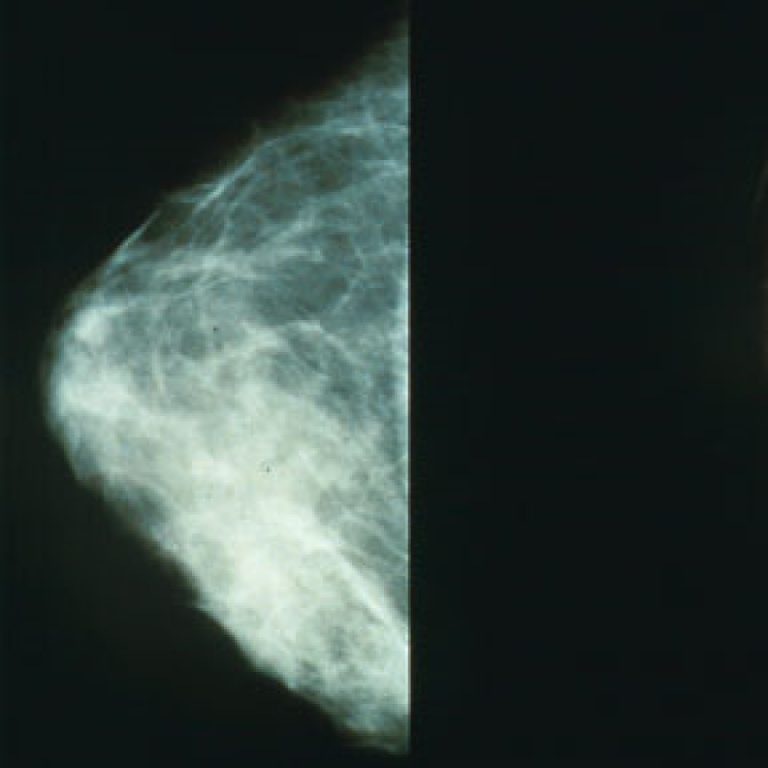
On Sept. 4. 2001, the National Cancer Institute (NCI) and the American College of Radiology Imaging Network launched…
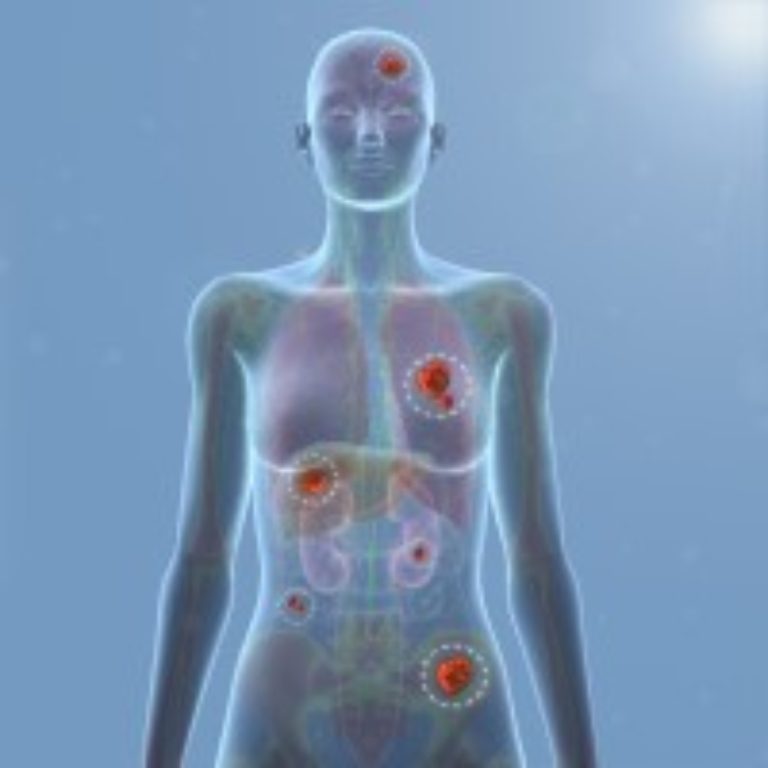
On May 24, 2001, Dr. Eldon Jupe and a team of Oklahoma Medical Research Foundation (OMRF) researchers found…

On Jan. 12, 2001, Corus Pharma was incorporated as a private venture-backed development stage biopharmaceutical company focused on…

On Oct. 17, 2001, the National Center on Birth Defects and Developmental Disabilities (NCBDDD) was established at the…