Thermus aquaticus was first discovered in Yellowstone National Park
In 1966, Thermus aquaticus was first discovered in the Mushroom Pool of Lower Geyser Basin in Yellowstone National…
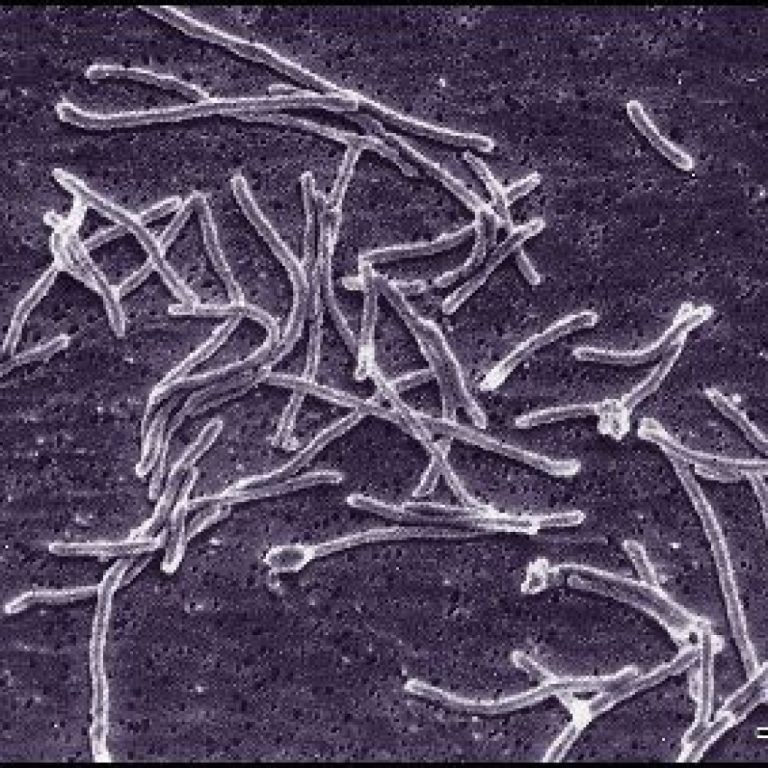
In 1966, Thermus aquaticus was first discovered in the Mushroom Pool of Lower Geyser Basin in Yellowstone National…
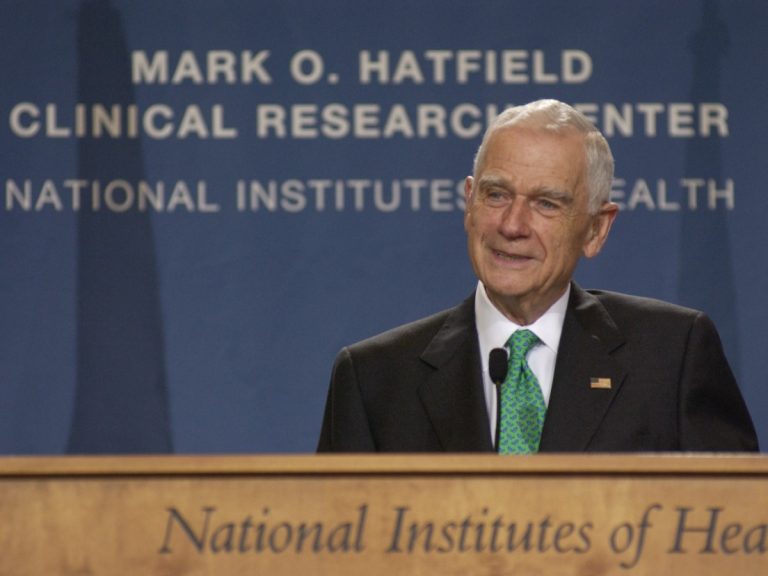
In 1966, Mark Hatfield served in the Oregon State Legislature from 1951-1957; was secretary of state from 1957-1959….

On Sept. 9, 1965, Simon Fraser University was founded. The university is named after Simon Fraser, loyalist, fur…

On Apr. 8, 1965, the Association for Accreditation of Laboratory Animal Care (AAALAC) filed its articles of incorporation…

In 1965, the National Society for Autistic Children (later renamed the Autism Society of America) was founded by…

In 1965, The Hutch Award’s was created in honor of the late Fred Hutchinson, the courageous and inspirational…
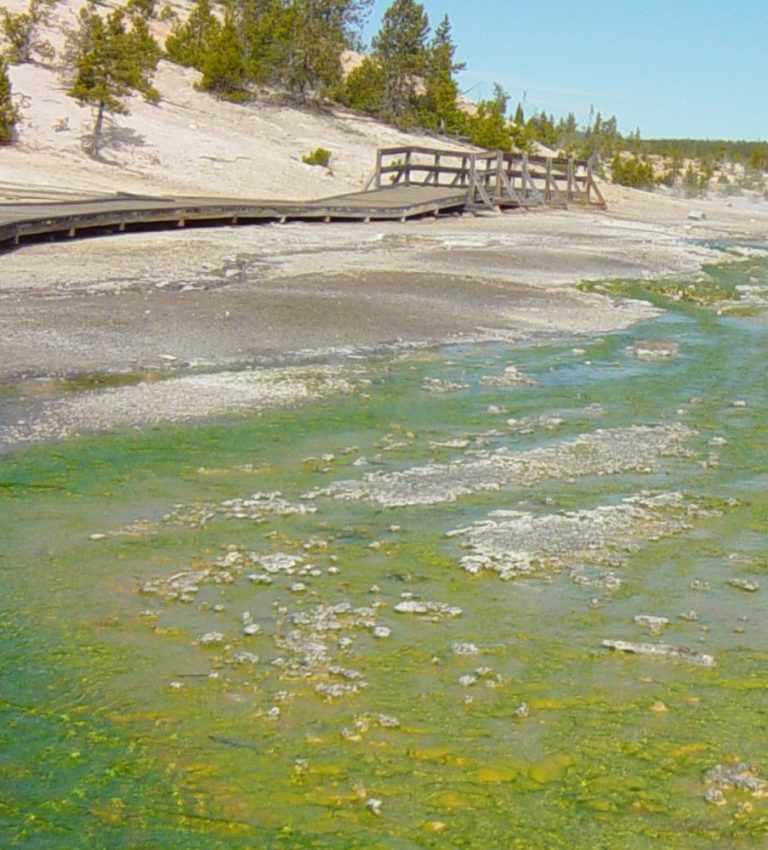
On Jun. 20, 1964, a team of researchers led by Dr. Thomas Brock, then a professor at the…
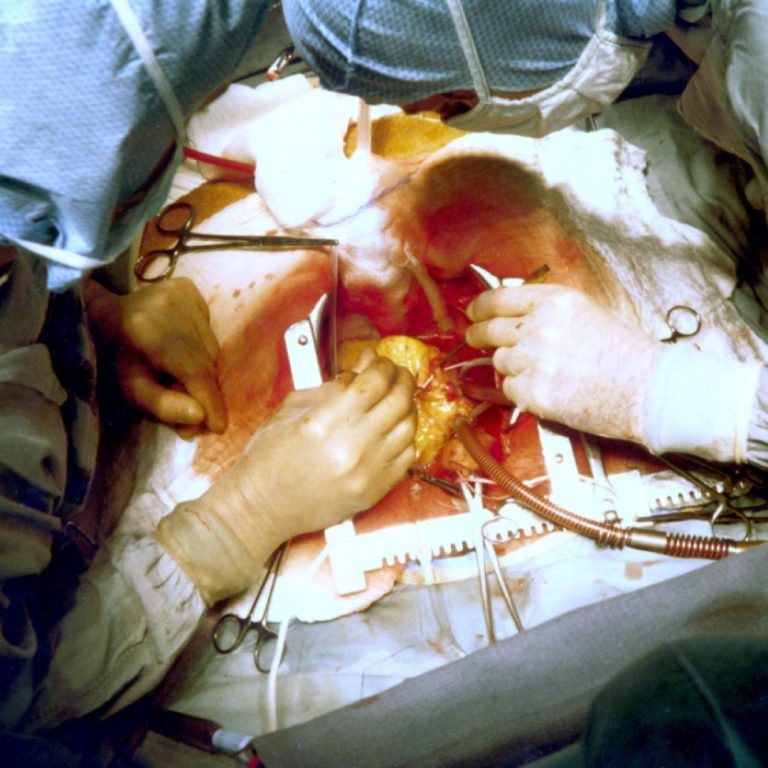
On Jan. 16, 1964, a team of doctors led by Dr. James D. Hardy, professor of surgery and…
In 1964, the anticancer drug melphalan (L-PAM) was approved by the U.S. Food and Drug Administration.
In 1964, Dr. Petar Alaupovic from the Oklahoma Medical Research Foundation (OMRF) created a classification and naming system…
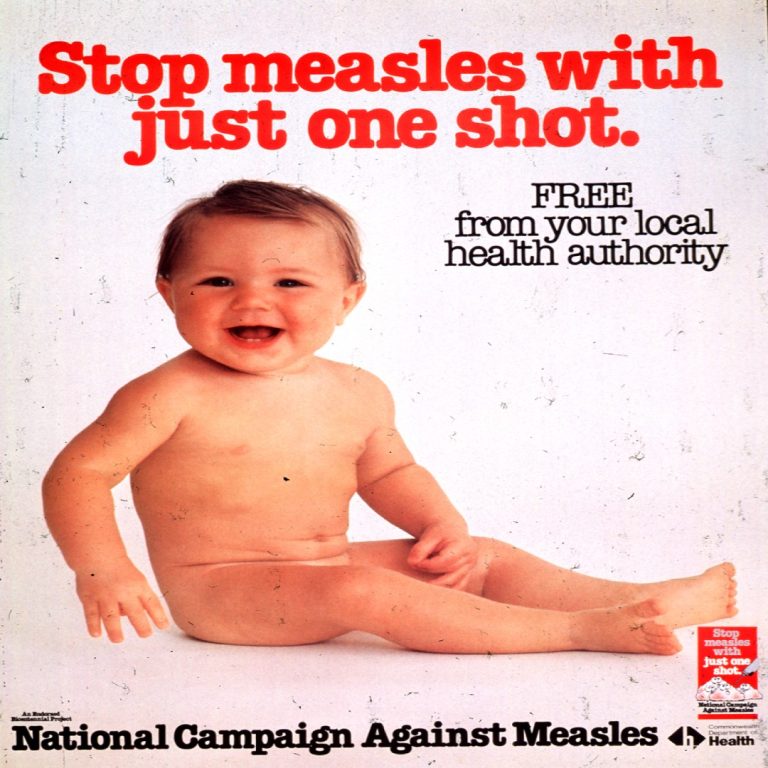
On Mar. 21, 1963, the first live virus measles vaccine (Rubeovax by Merck) was licensed. Other live virus…
In 1963, a group of physicians from Honolulu’s Straub Clinic and other civic leaders established the first organization…
In 1963, The Health Insurance Plan (HIP) of Greater New York Study began. HIP was the first randomized…
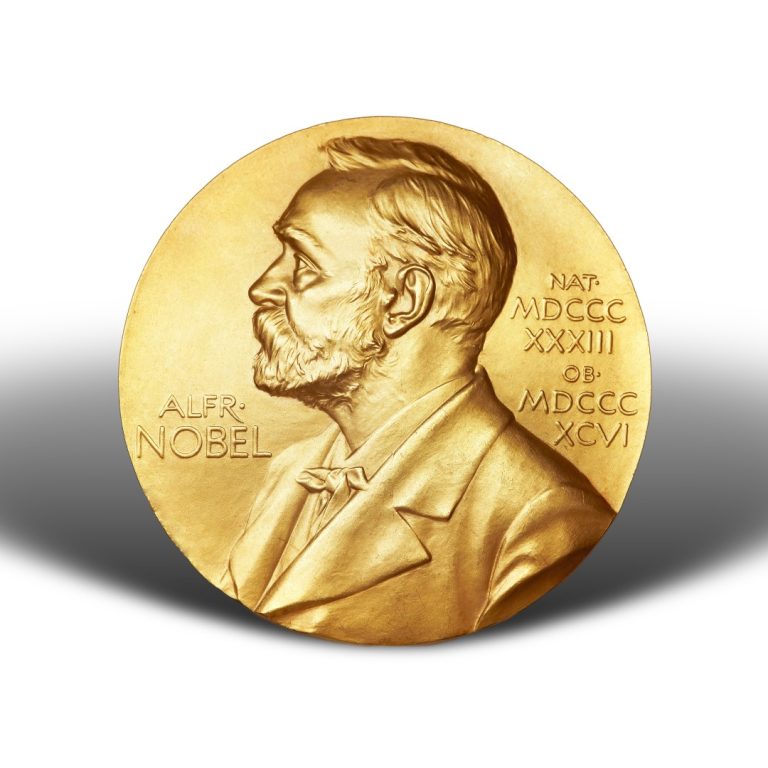
On Oct. 18, 1962, the Nobel Prize in Physiology or Medicine was awarded jointly to Francis Crick, James…
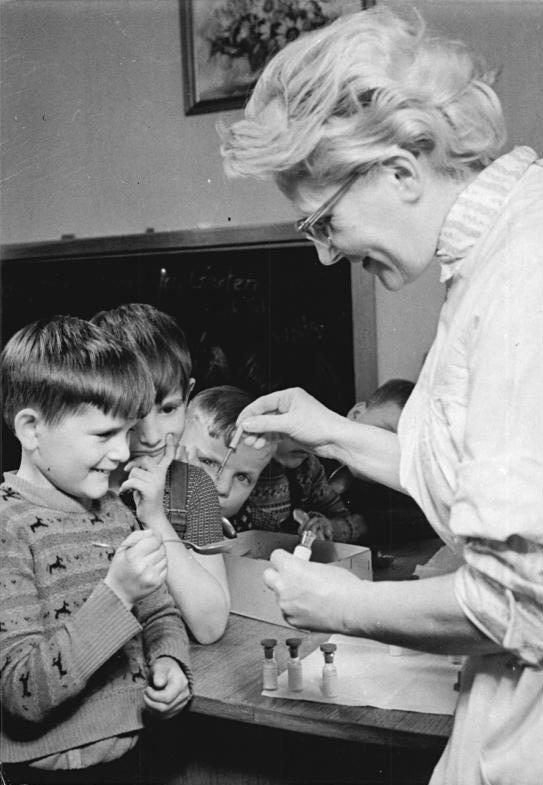
On Mar. 27, 1962, the Sabin oral polio vaccine (OPV) type 3 MOPV was licensed in the U.S.,…
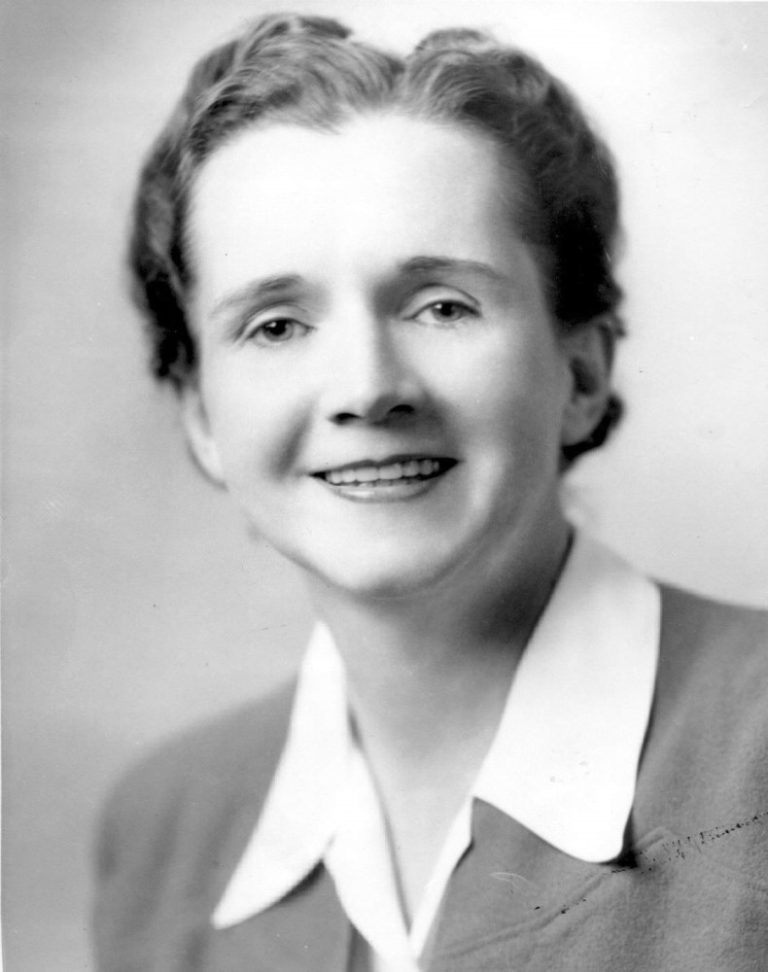
In 1962, Silent Spring, a book by marine biologist Rachel Carson, galvanized the first generation of environmentalists. Silent…
On Jan. 9, 1962, the Seattle Artificial Kidney Center, now known as the Northwest Kidney Centers opened its…
On Jan. 12, 1961, the National Cancer Institute (NCI) established the Laboratory of Viral Oncology, a new intramural…
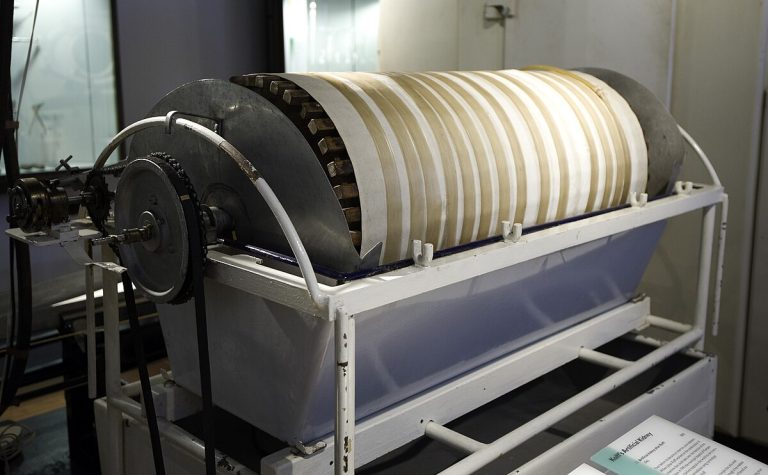
On Mar. 9, 1960, In Seattle the world’s first long-term dialysis patient Clyde Shields was treated on an…
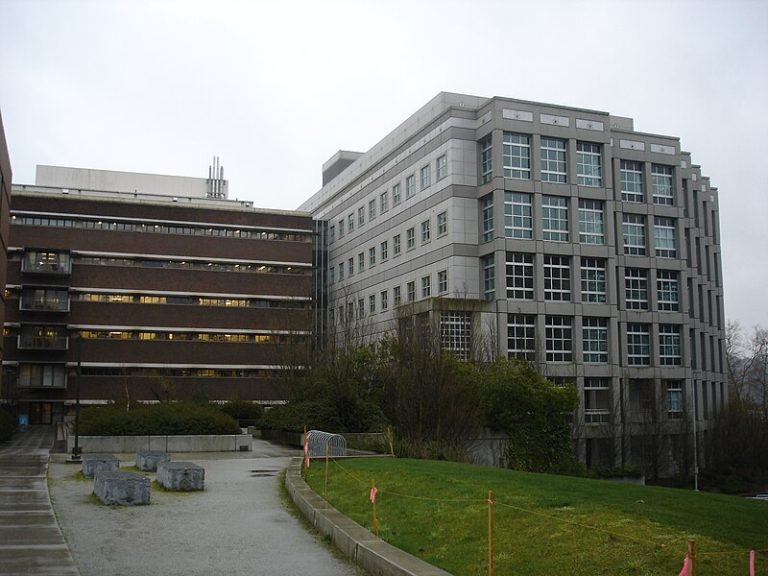
On May 4, 1959, the first major addition to the University of Washington Health Sciences Building, an eight-story,…
In 1959, Lester R. Sauvage, MD founded the Reconstructive Cardiovascular Research Laboratory as a branch of Providence Seattle…
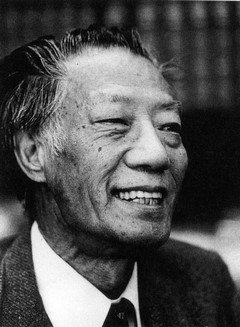
In 1959, Min Chueh Chang pioneered in vitro fertilization. He was also co-inventor of the oral contraceptive pill….
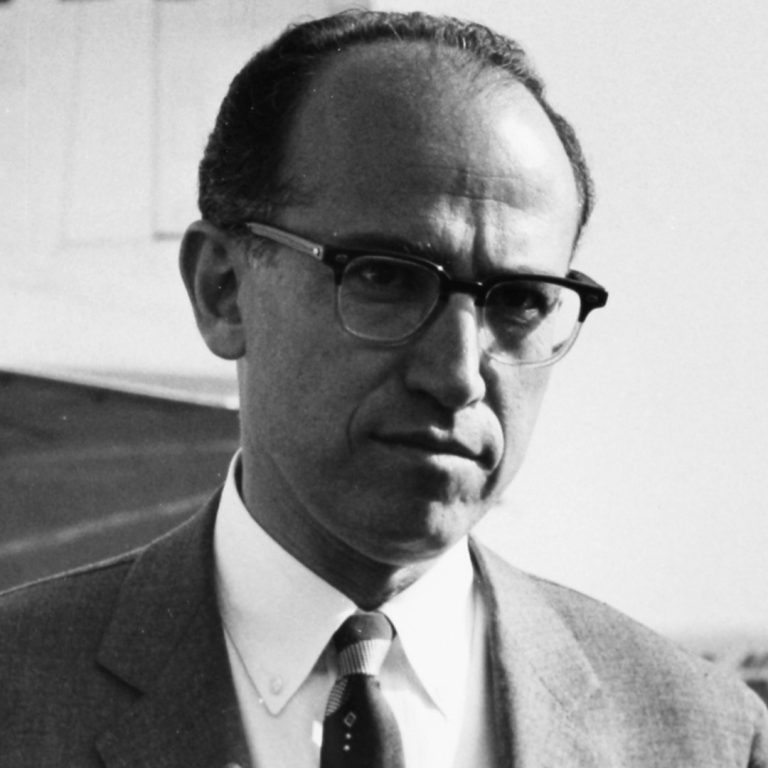
In 1959, the Salk Institute was initially envisioned by Jonas Salk, M.D., the developer of the polio vaccine,…

In 1959, Arnel Hallauer became director of Iowa State University’s (ISU) maize breeding program. Hallauer was part of…
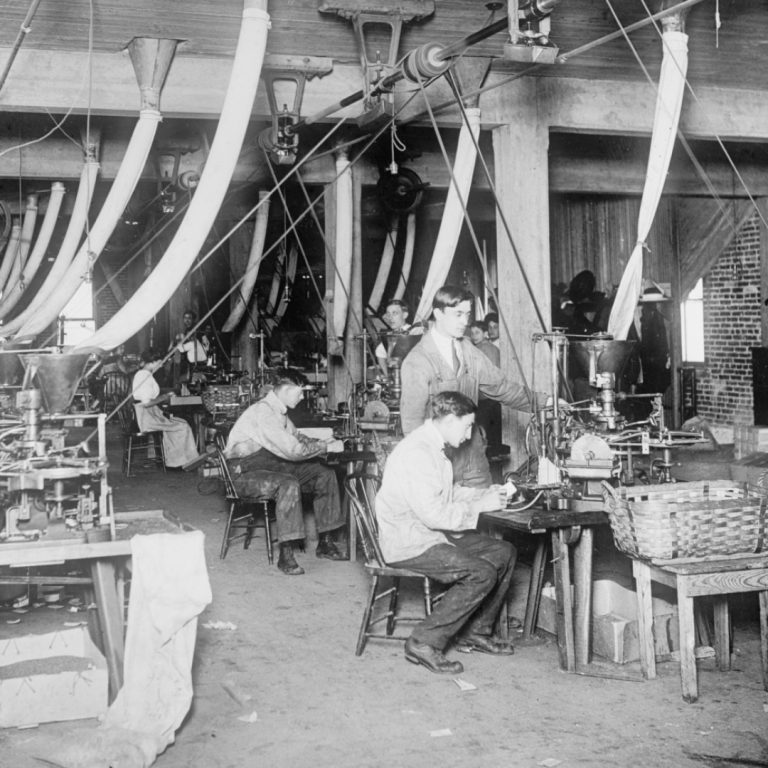
In 1958, the National Seed Storage Laboratory (NSSL), the first long-term seed storage facility in the world, opened…
On Sept. 10, 1957, the first Nevada Southern (University of Nevada, Las Vegas, aka UNLV) classes were held…
In 1957, the University of Washington’s (UW) Division of Medical Genetics was established in the Department of Medicine…
On Oct. 19, 1956, the Pacific Northwest Diabetes Research Institute (PNDRI) was founded by William B. Hutchinson, Sr.,…
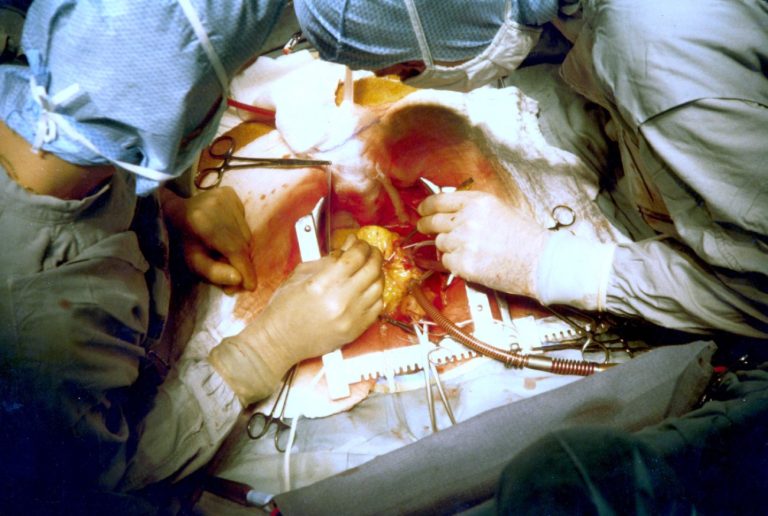
On Aug. 1, 1956, Dr. K. Alvin Merendino at the University of Washington in Seattle performed the first successful…
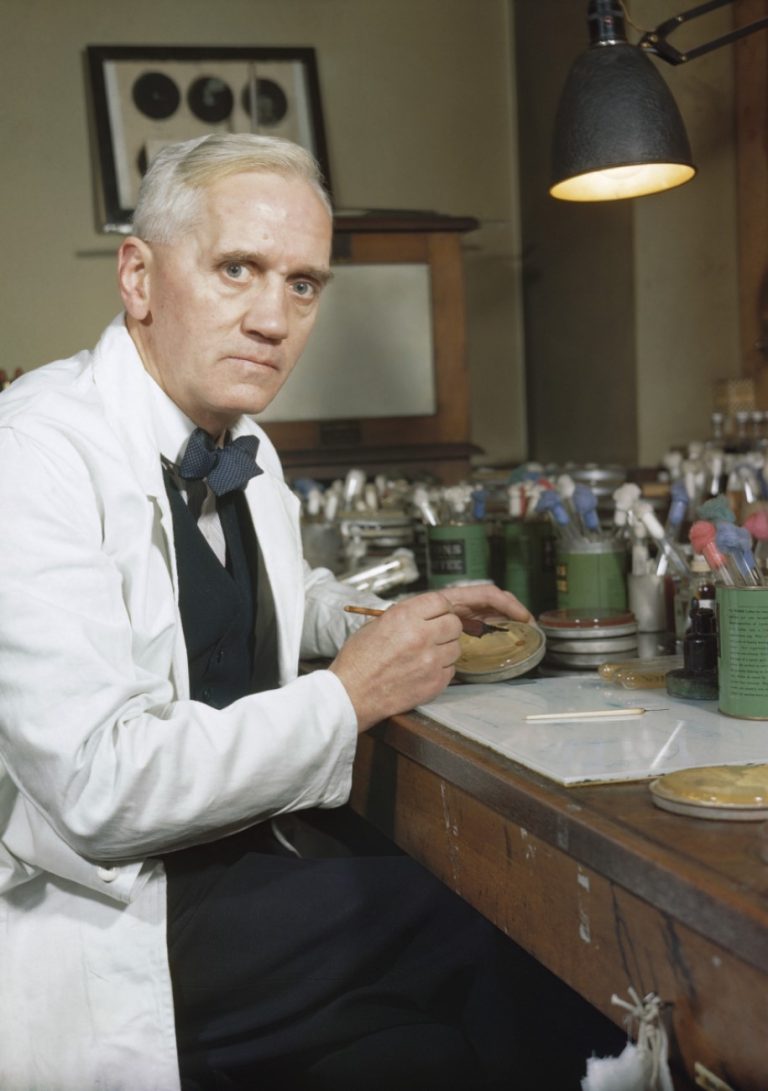
In 1956, seven students participated in the Oklahoma Medical Research Foundation Summer Scholar Program which was originated by…