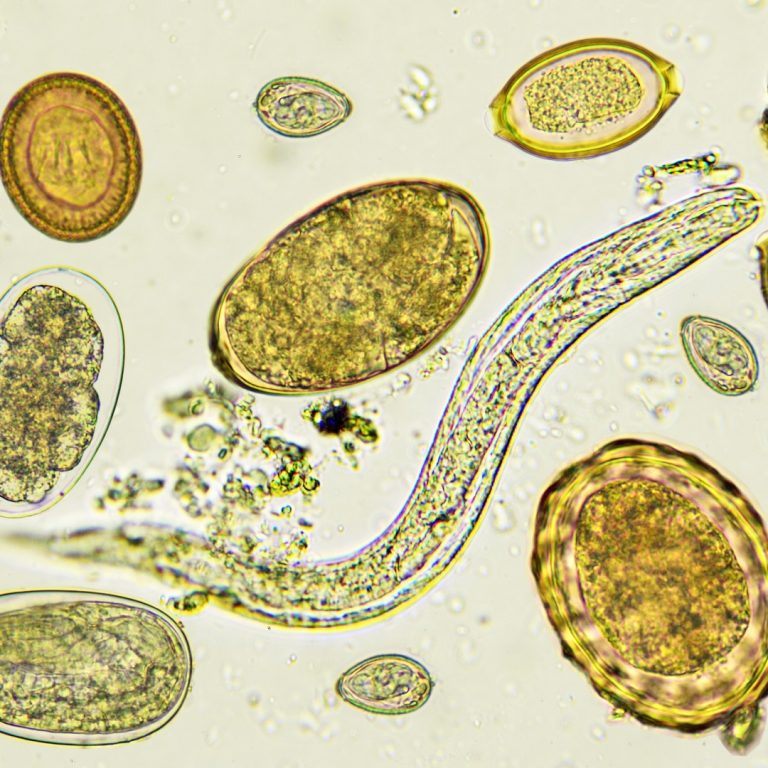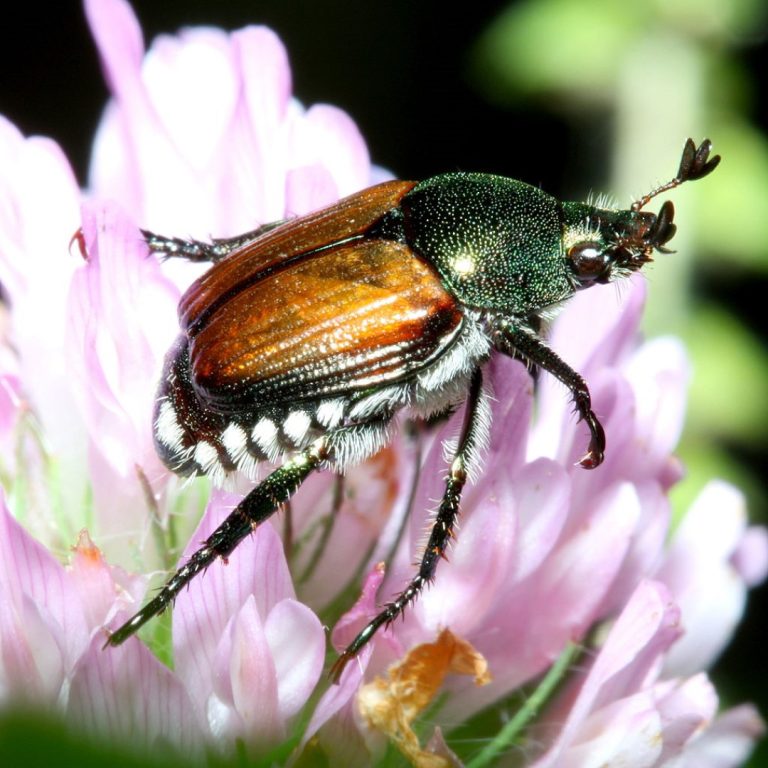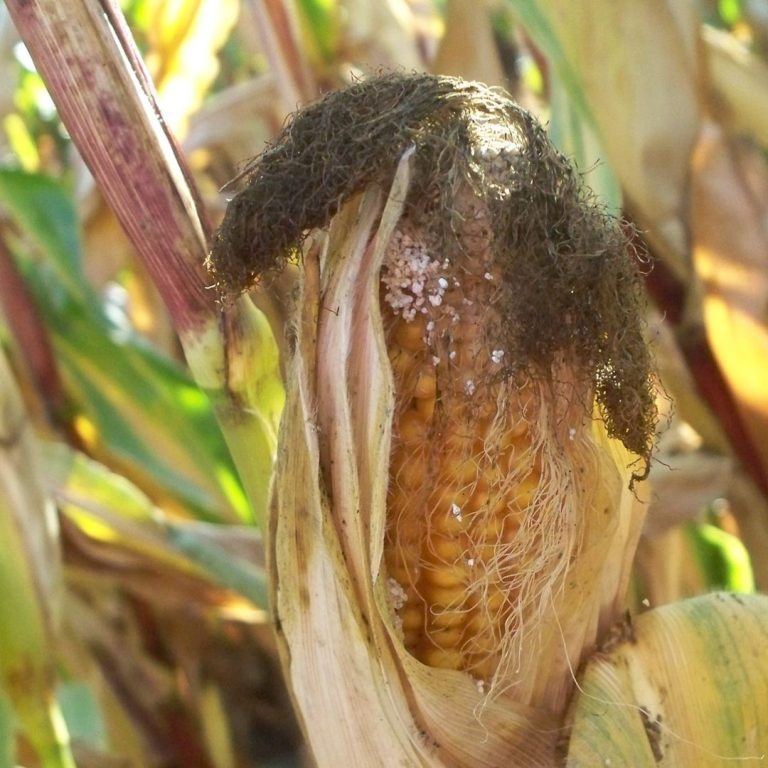
A smallscale test of formulated Bacillus thuringiensis for corn borer control began in Europe
In 1938, a small scale test of formulated Bacillus thuringiensis (Bt) for corn borer control begins in Europe….
In 1938, as Director of the Natural Sciences Division of the Rockefeller Foundation, Warren Weaver coined the term…
In 1938, the Iowa State University Research Foundation (ISURF) was established to manage the collection of intellectual property…
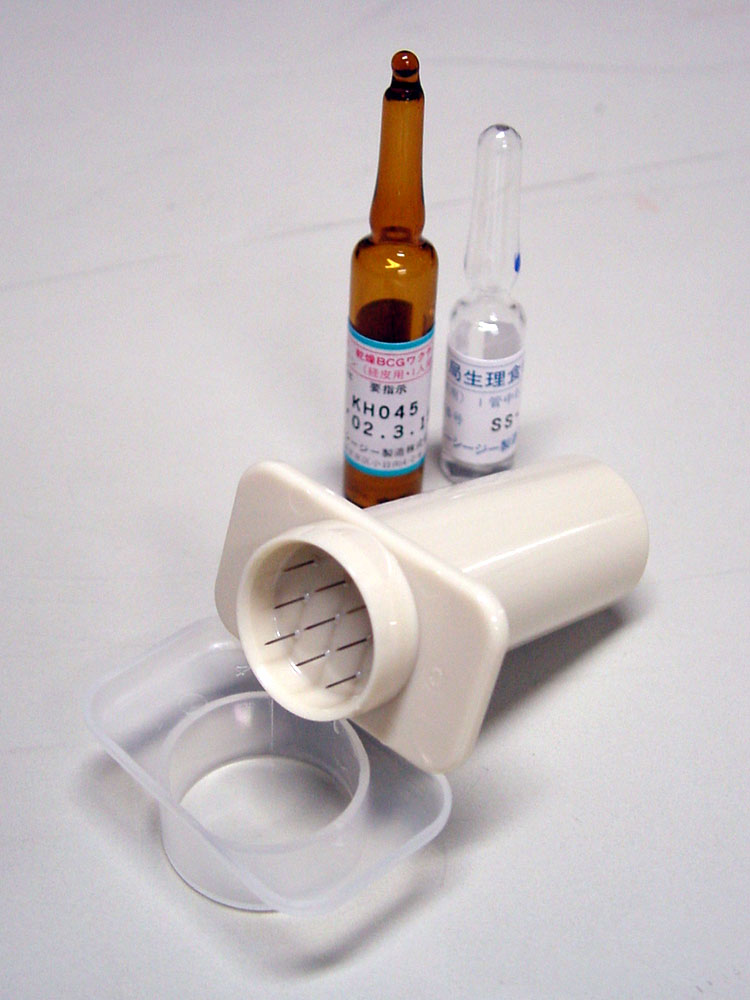
In 1938, Dr. Armand Frappier, at the Institut de Microbiologie et d’Hygiene de Montreal, conducted the first studies…
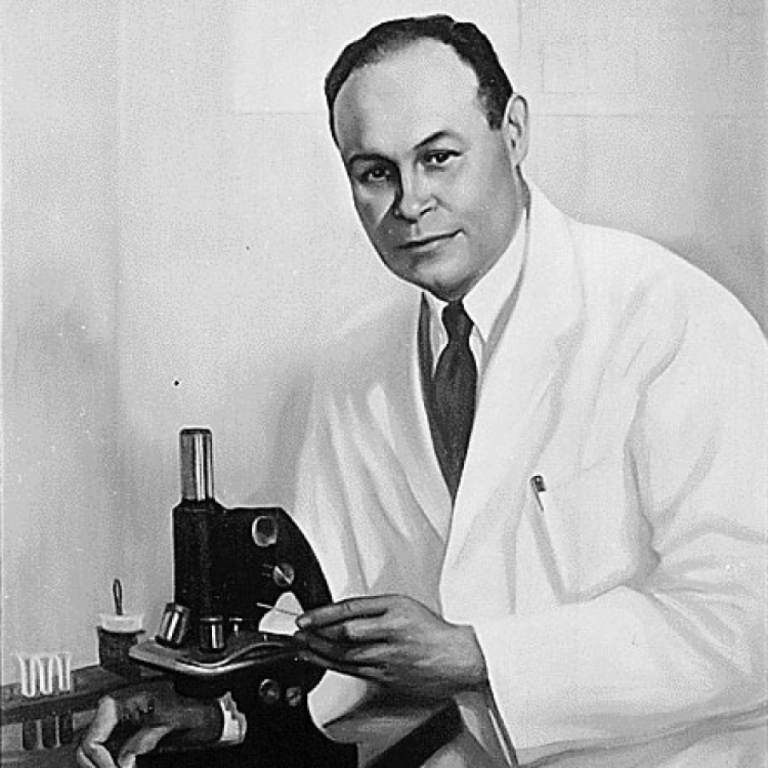
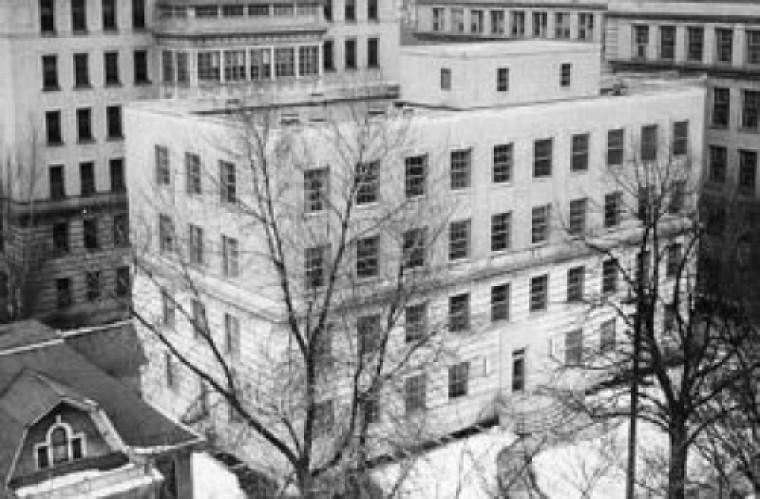
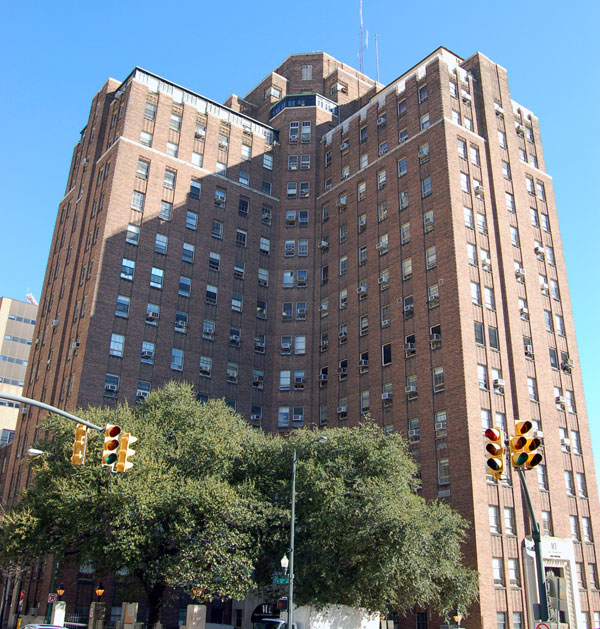
In 1938, The Medical College of Virginia opened a new laboratory and outpatient clinic (A. D. Williams Memorial…
In 1938, the National Advisory Cancer Council, created by the National Cancer Institute Act of Aug. 5, 1937,…
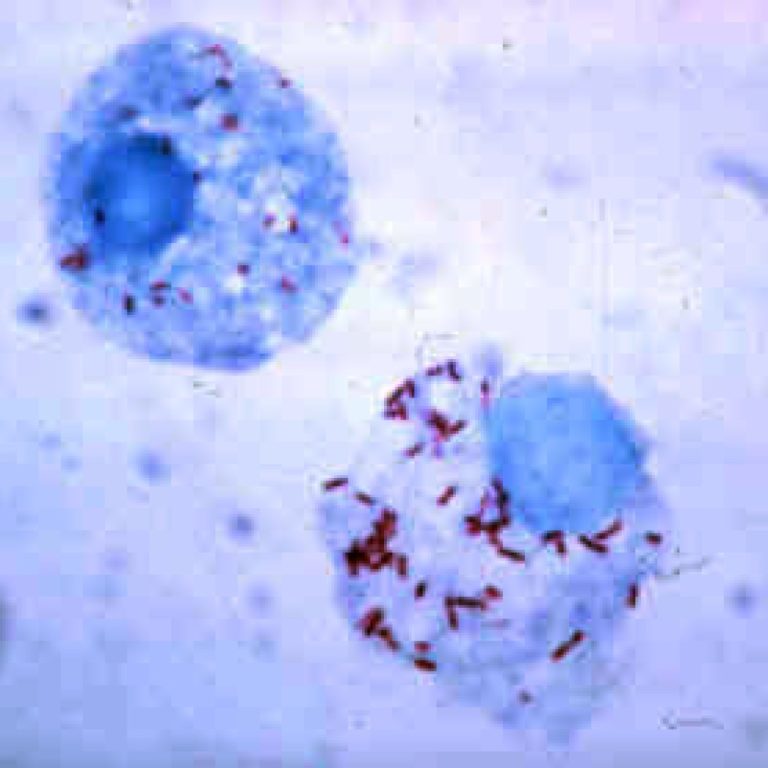
In 1938, Gordon E. Davis and Herald R. Cox identified a new rickettsial disease, which they called Nine…
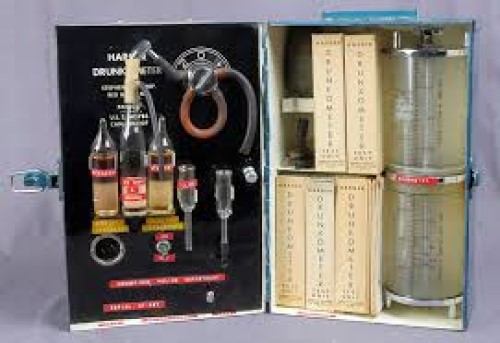
In 1938, Rolla Neil Harger of Indiana University School of Medicine collaborated with Robert Borkenstein of the Indiana…
On Aug. 5, 1937, the National Cancer Institute (NCI) Act, P.L. 244, 75th U.S. Congress, was signed by…
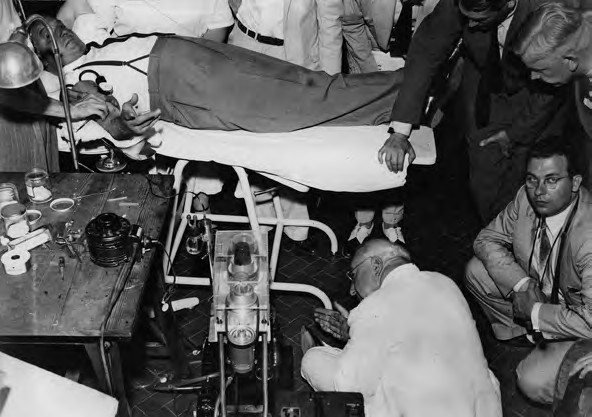
On Mar. 15, 1937, the world’s first blood bank was opened at Cook County Hospital in Chicago by…
In 1937, the Rocky Mountain Laboratory became part of the National Institute of Health (NIH). During World War…
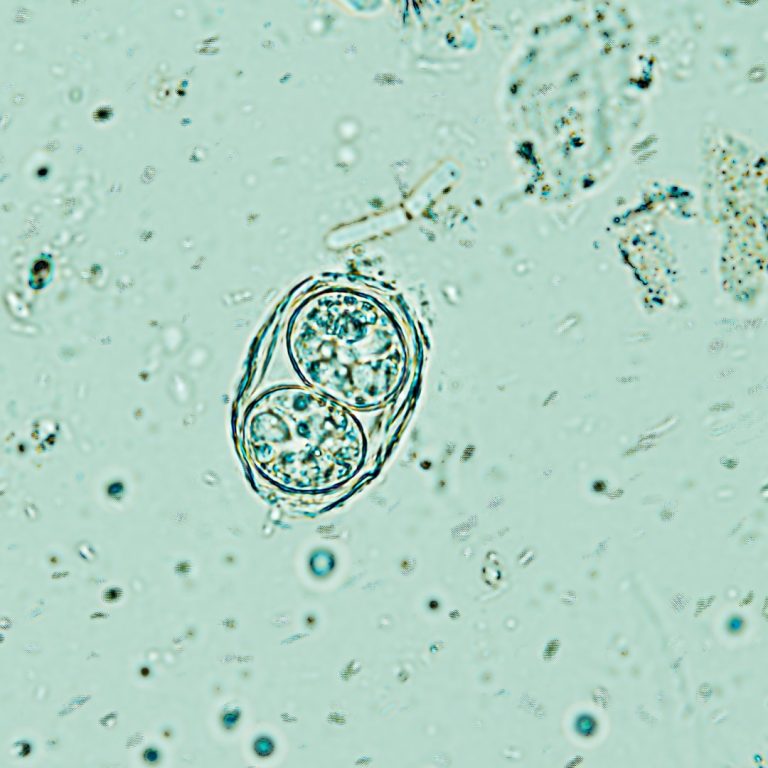
In 1937, Albert Sabin and Peter Olitsky demonstrated that the parasiteToxoplasma gondii (T. gondii) was an obligate intracellular…
In 1937, Joseph Hamilton was the first to use radioactive tracers to study circulatory physiology. Using radioactive sodium,…
In 1935, The University of Tennessee Research Foundation (UT) was founded as a non-profit 501(c)(3) organization, that promotes…
In 1934, George Hoyt Whipple, a graduate of Yale University (A.B. 1900), was awarded the 1934 Nobel Prize…
In 1934, William Perry Murphy, who shared the Nobel Prize for Medicine for discoveries concerning liver therapy in…
In 1933, Thomas Hunt Morgan was was awarded the Nobel Prize in Physiology or Medicine for his chromosome…
In 1933, the Statistical Laboratory at Iowa State was established as the first research and consulting institute of…
In 1932, Tompkins-McCaw Library at the Medical College of Virginia opened. Called the “college library” when the building…
In 1932, When Ellen Browning Scripps passed away at the age of 95, she left $300,000 (or the…
In 1930, the Ransdell Act changed the name of the Hygienic Laboratory to National Institute (singular) of Health…
In 1930, Sara E. Branham identified a new organism, Neisseria flavescens, as a rare cause of meningitis and…
In 1930, Ralph Lillie demonstrated that the cause of psittacosis was a rickettsia-like organism (later placed in the…
In 1930, Ernest Everett Just, an African American biologist, became the first American to be invited to the…
In 1930, the Mallinckrodt Institute of Radiology (MIR) at Washington University School of Medicine (WUSM) was established, funded…
In 1929, Hoffman-La Roche outgrew its New York offices, prompting the development of a new plant in Nutley,…
In 1928, Thimerosal was commercialized by Eli Lilly under the trade name Merthiolate, an antiseptic solution containing thimerosal,…
In 1928, George Papanicolaou discovered that vaginal cell smears (the Pap smear) revealed the presence of cervical cancer….
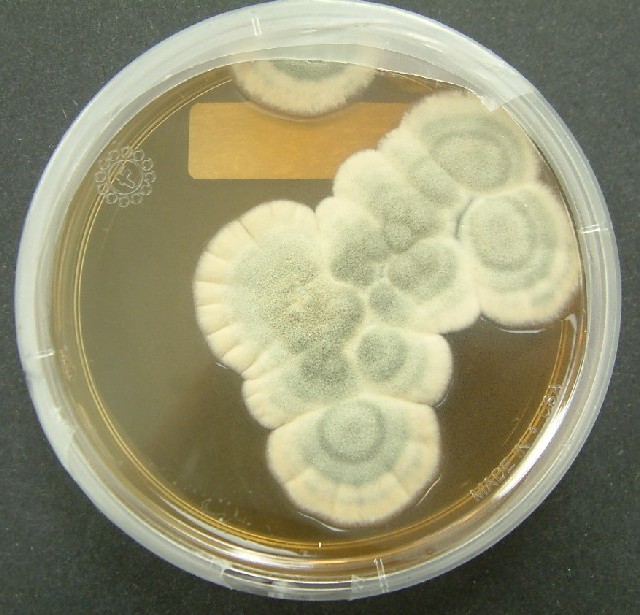
In 1928, Sir Alexander Fleming observed a culture of mold and discovered that the antibacterial substance was not…
In 1928, Dr. Eaton MacKay was invited from Stanford University to become the first director of research at…