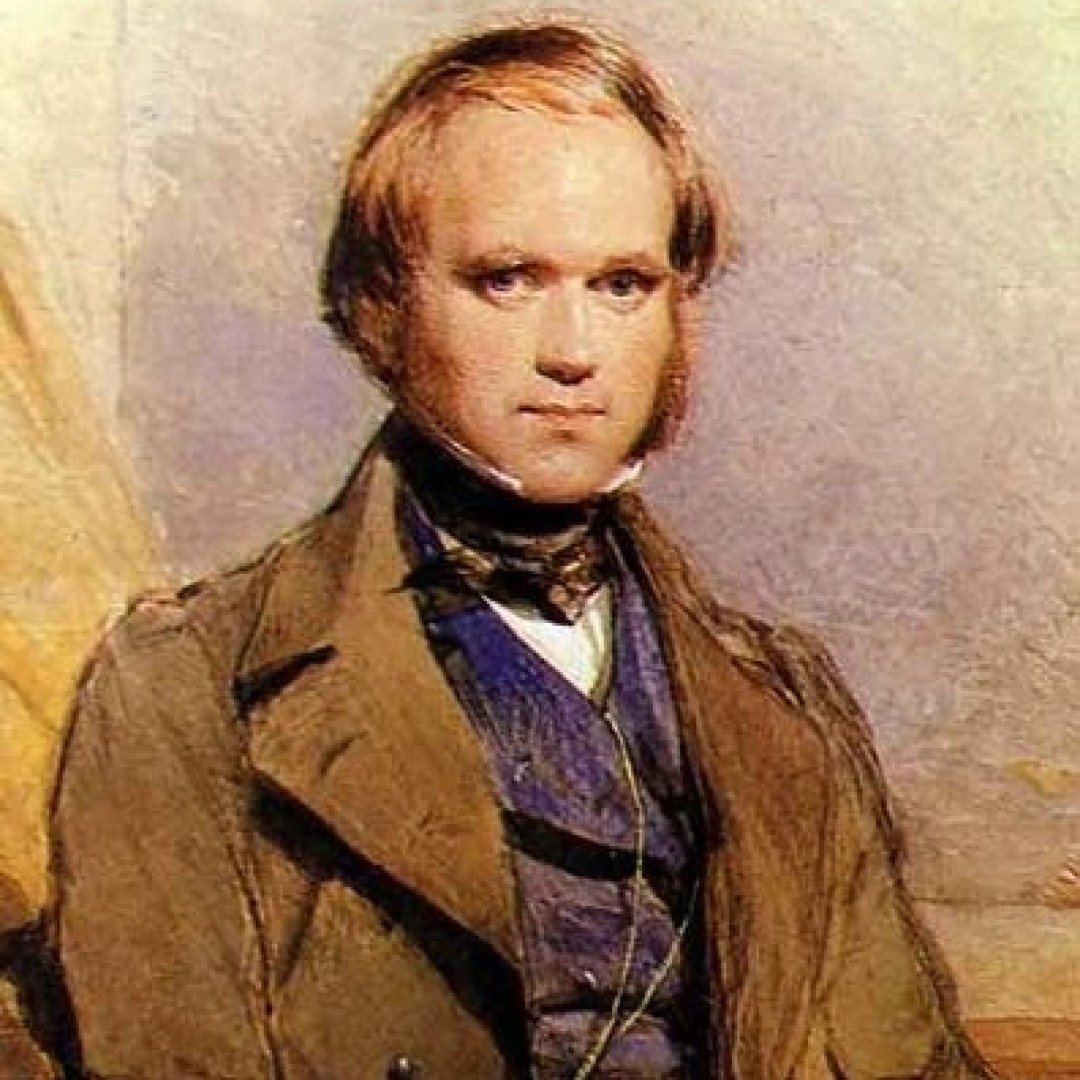
British naturalist Charles Darwin departed England on the voyage of the “Beagle”
On Dec. 27, 1831, naturalist Charles Darwin departed England on the British science expedition voyage of the “Beagle” around the world. For the next five years, Darwin served as the expedition’s naturalist, studied plants and animals, and collected specimens for further study.
Out of Darwin’s study grew his theory of evolutionary selection. His theory of evolution by natural selection, now the unifying theory of the life sciences, explained where all of the astonishingly diverse kinds of living things came from and how they became exquisitely adapted to their particular environments.
His theory reconciled a host of diverse kinds of evidence such as the progressive fossil record, geographical distribution of species, recapitulative appearances in embryology, homologous structures, vestigial organs and nesting taxonomic relationships. No other explanation before or since has made sense of these facts.
In further works Darwin demonstrated that the difference between humans and other animals is one of degree not kind. In geology, palaeontology, zoology, ecology, taxonomy, botany, philosophy, anthropology, psychology, literature and theology Darwin’s writings produced profound reactions, many of which are still ongoing.
Yet even without his evolutionary works, Darwin’s accomplishments would be difficult to match. His brilliantly original work in geology, botany, biogeography, invertebrate zoology, psychology and scientific travel writing would still make him one of the most original and influential workers in the history of science.
Tags:
Source: Darwin Online
Credit: