Bayer introduced new pain relief product under the trademark Aspirin (acetylsalicylic acid)
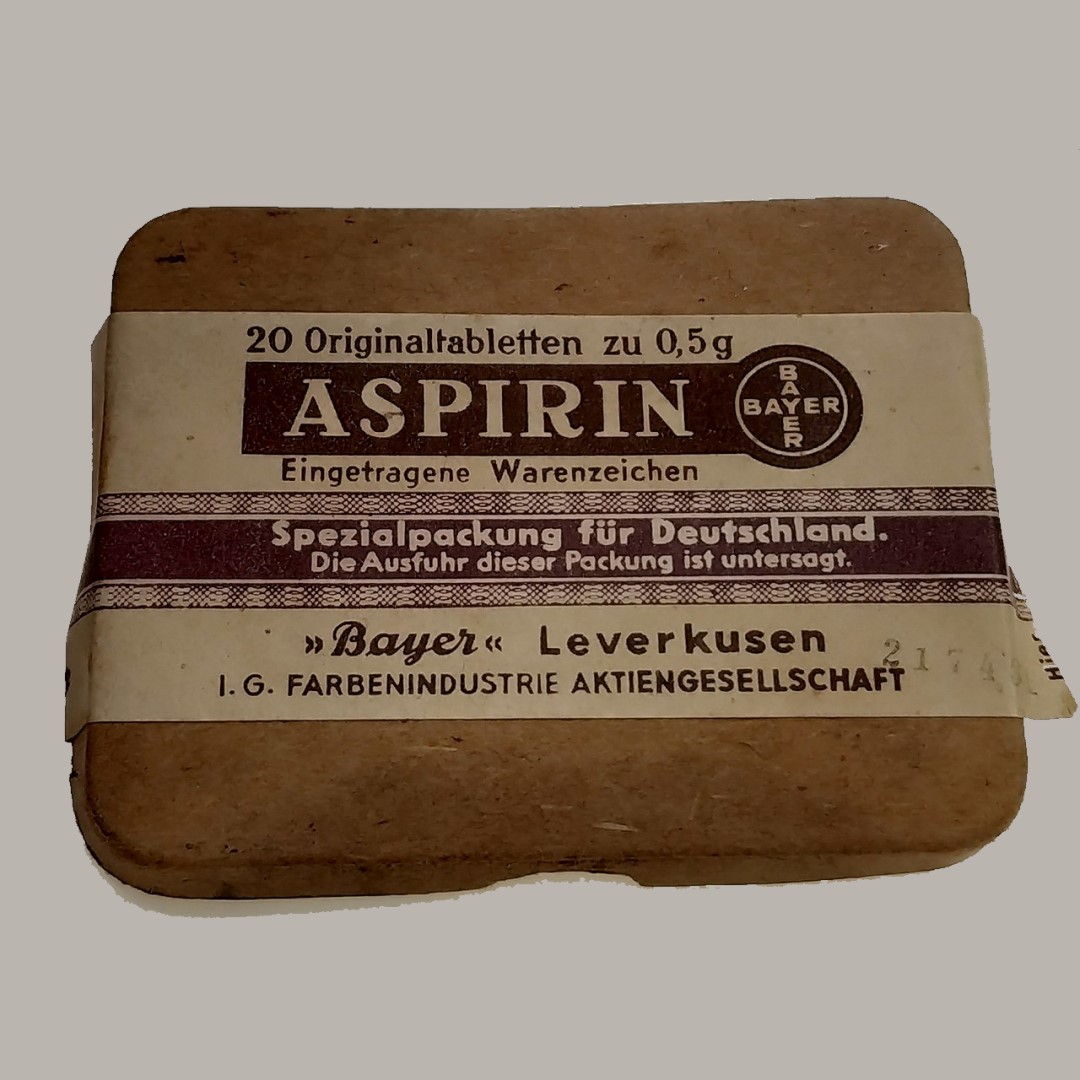
On Mar. 6, 1899, Bayer, based in Germany, introduced a newly patented pain relief product under the trademark Aspirin (acetylsalicylic acid).
In 1868, chemist Felix Hoffmann, one of the inventors of Aspirin, joined “Farbenfabriken vorm. Friedr. Bayer & Co.” to work in the company’s chemical laboratory.
It was mostly by chance that he made a discovery of historic significance on August 10, 1897. By acetylating salicylic acid with acetic anhydride, he succeeded in creating acetylsalicylic acid (ASA) in a chemically pure and stable form.
The pharmacologist responsible for verifying these results was skeptical at first, yet the extent of this pharmaceutical wonder became clear once several large-scale studies to investigate the substance’s efficacy and tolerability had been completed: Hoffmann had discovered a pain-relieving, fever-lowering and anti-inflammatory substance.
The company then worked flat out to develop a cost-effective production process that would allow the promising active ingredient to be supplied as a pharmaceutical product. It was launched for the first time under the trade name Aspirin™, initially as a powder supplied in glass bottles. Aspirin™ has made the Bayer name world-famous like no other drug product.
Tags:
Source: Bayer AG
Credit: