Scientists identified possible new transmission factor in hospital-acquired Klebsiella infections
On Jul. 22, 2024, scientists at ADA Forsyth Institute (AFI) announced they had identified a critical factor that may contribute to the spread of hospital-acquired infections (HAIs), shedding light on why these infections are so difficult to combat. Their study revealed that the dangerous multidrug resistant (MDR) pathogen, Klebsiella, thrives under nutrient-deprived polymicrobial community conditions found in hospital environments. In another study published in Microbiome, AFI scientists discovered that Klebsiella colonizing a healthy person not only have natural MDR capability, but also dominate the bacterial community when starved of nutrients.
“Our research demonstrated that Klebsiella can outcompete other microorganisms in its community when deprived of nutrients,” said Batbileg Bor, PhD, associate professor at AFI and principal investigator of the study. “We analyzed samples of saliva and nasal fluids to observe Klebsiella‘s response to starvation conditions. Remarkably, in such conditions, Klebsiella rapidly proliferates, dominating the entire microbial community as all other bacteria die off.”
Klebsiella is one of the top three pathogens responsible for HAIs, including pneumonia and irritable bowel disease. As colonizing opportunistic pathogens, they naturally inhabit the oral and nasal cavities of healthy individuals but can become pathogenic under certain conditions. “Hospital environments provide ideal conditions for Klebsiella to spread,” explained Dr. Bor. “Nasal or saliva droplets on hospital surfaces, sink drains, and the mouths and throats of patients on ventilators, are all starvation environments.”
Additionally, Klebsiella can derive nutrients from dead bacteria, allowing it to survive for extended periods under starvation conditions. The researchers found that whenever Klebsiella was present in the oral or nasal samples, they persisted for over 120 days after being deprived of nutrition.
Other notable findings from the study include the observation that Klebsiella from the oral cavity, which harbors a diverse microbial community, was less prevalent and abundant than those from the nasal cavity, a less diverse environment. These findings suggest that microbial diversity and specific commensal (non-pathogenic) saliva bacteria may play a crucial role in limiting the overgrowth of Klebsiella species.
The groundbreaking research conducted by AFI scientists offers new insights into the transmission and spread of hospital-acquired infections, paving the way for more effective prevention and treatment strategies.
This research was partially supported by grants from the National Institute of Dental and Craniofacial Research of the National Institutes of Health.
Tags:
Source: Forsyth Institute
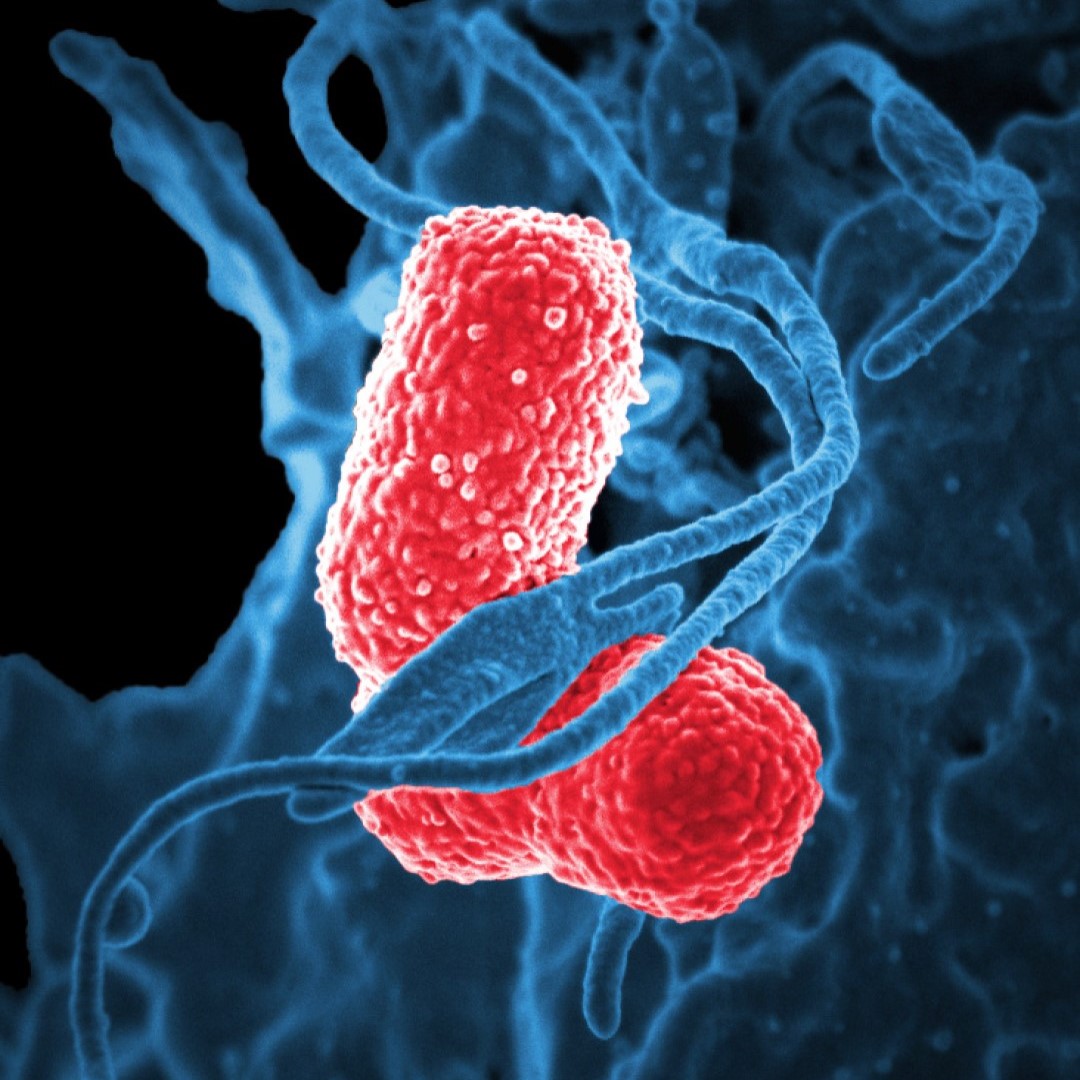
Credit: Photo: Microscopy of drug resistant klebsiella with pneumoniae neutrophil, courtesy National Institute of Allergy and Infectious Diseases.