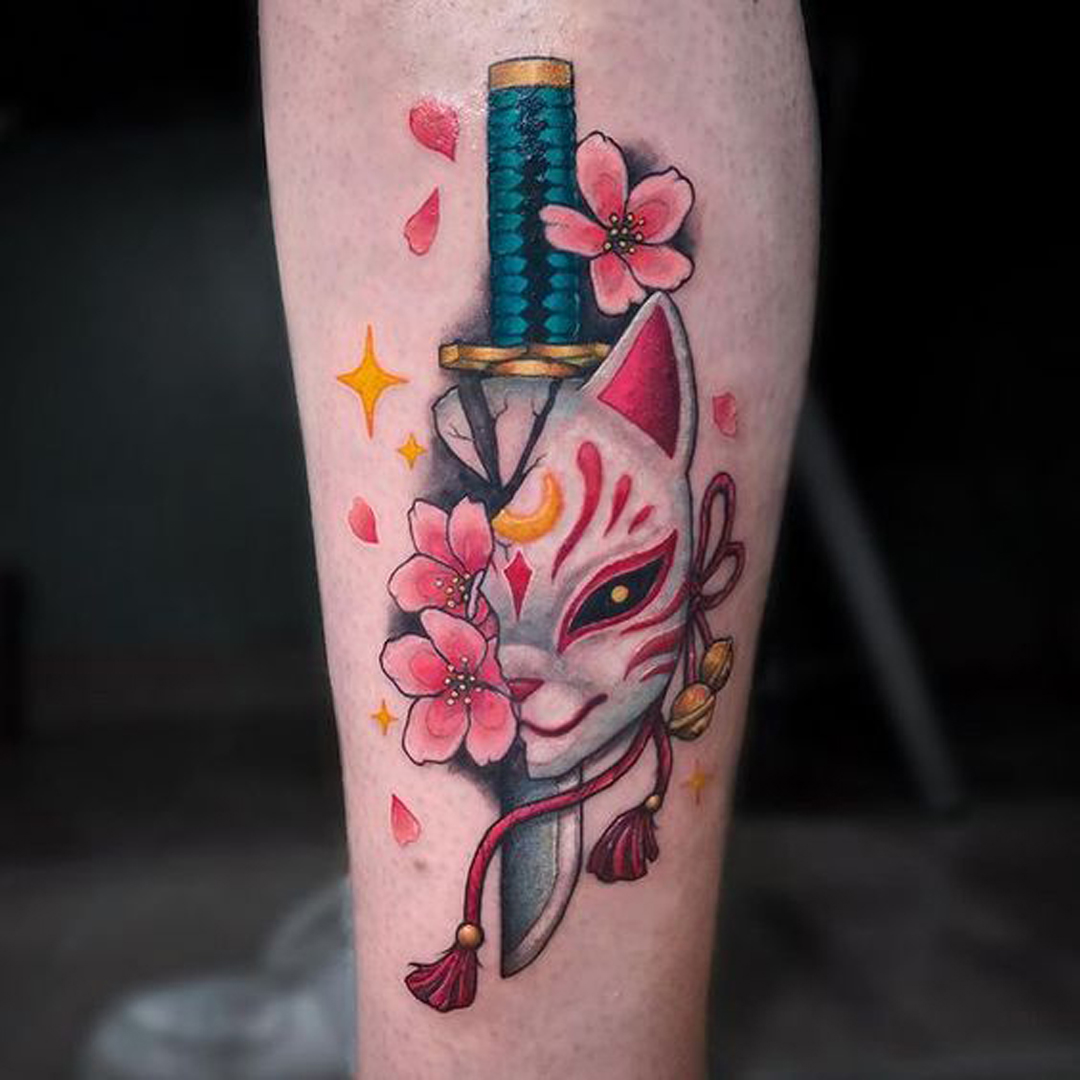
Study detected bacteria in 35% of commercial tattoos and permanent makeup inks sold in U.S.
On Jul. 2, 2024, a study was released that showed evidence that commercial tattoo and PMU inks are frequently contaminated with pathogenic microorganisms. No significant association was found between sterility claims on the ink label and the absence of bacterial contamination. The results indicate that tattoo and PMU inks can also contain anaerobic bacteria.
The findings, published in Applied and Environmental Microbiology revealed that unopened and sealed tattoo inks can harbor anaerobic bacteria, known to thrive in low-oxygen environments, such as the dermal layer of the skin, alongside aerobic bacteria.
Of 75 ink samples, we found 26 contaminated samples with 34 bacterial isolates taxonomically classified into 14 genera and 22 species. Among the 34 bacterial isolates, 19 were identified as possibly pathogenic bacterial strains. Two species, namely Cutibacterium acnes (four strains) and Staphylococcus epidermidis (two strains) were isolated under anaerobic conditions.
Two possibly pathogenic bacterial strains, Staphylococcus saprophyticus and C. acnes, were isolated together from the same ink samples (n = 2), indicating that tattoo and PMU inks can contain both aerobic (S. saprophyticus) and anaerobic bacteria (C. acnes).
No significant association was found between sterility claims on the ink label and the absence of bacterial contamination. The results indicate that tattoo and PMU inks can also contain anaerobic bacteria.
Tags:
Source: ASM Journals
Credit: