Axcella Therapeutics launched clinical program to develop treatment for patients with long COVID
On Oct. 26, 2021, Axcella Therapeutics announced a new clinical program to investigate AXA1125 as a potential treatment for patients with Long COVID, a complex condition also known as Post COVID-19 Condition and Post-Acute Sequelae of COVID-19 (PASC). The United Kingdomメs Medicines and Healthcare products Regulatory Agency (MHRA) accepted a Phase 2a clinical trial authorization submission from Axcella Oct. 22, 2021.
Led by researchers at the Radcliffe Department of Medicine at the University of Oxford (U.K.), the clinical trial is planned to begin by the end of this year at the Oxford Centre for Clinical Magnetic Resonance Research, with top-line data expected by mid-2022.
More than 240 million cases of COVID-19 have been reported worldwide to date1, and it is estimated that nearly a quarter of these people suffer from the virus’s long-term effects2. These patients continue to experience a wide range of symptoms months after their initial diagnosis. Similar to many other conditions and diseases, mitochondrial dysfunction is increasingly being implicated as a key driver of Long COVID-induced fatigue, which is the most common symptom associated with the condition.
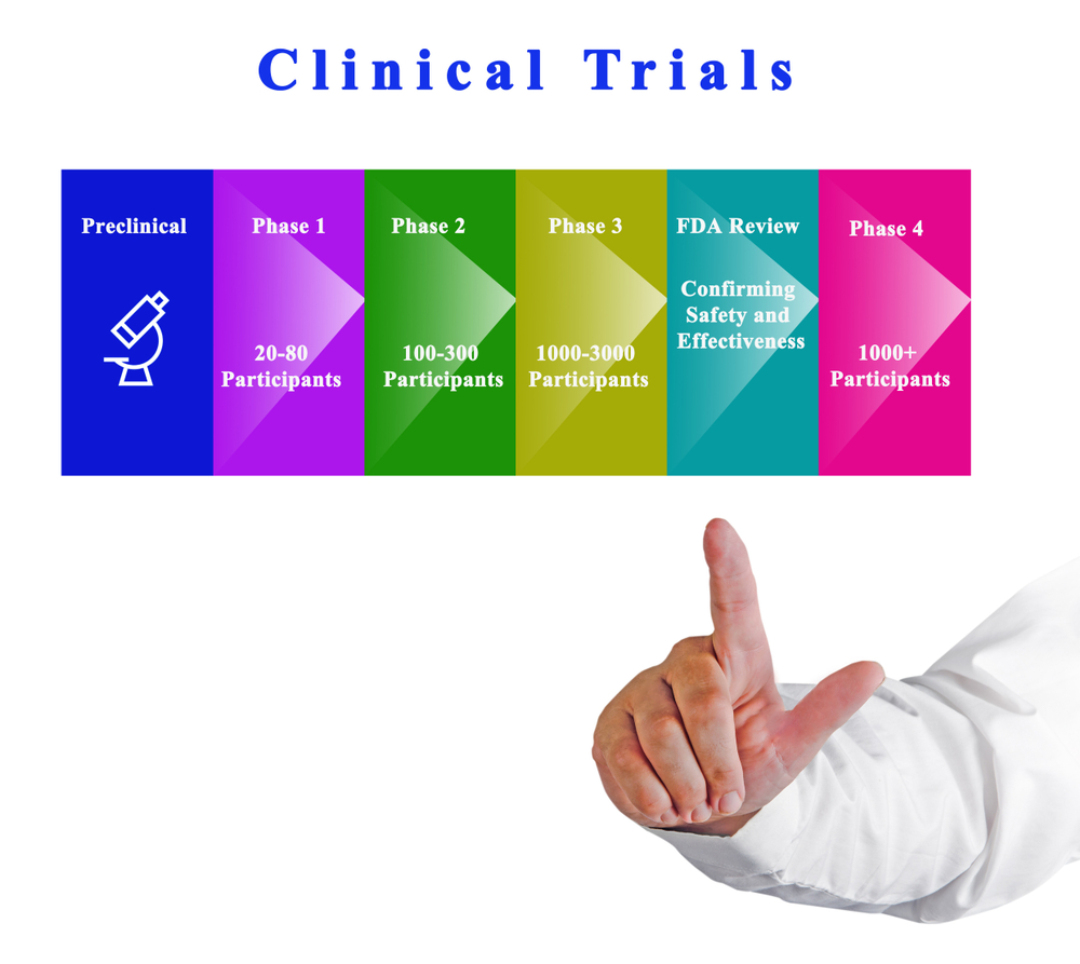
The Phase 2a trial will be a randomized, double-blind, placebo-controlled investigation to evaluate the efficacy and safety of AXA1125 in patients with exertional fatigue related to Long COVID. Approximately 40 patients will be enrolled and randomized evenly to receive either 67.8 grams per day of AXA1125 or a matched placebo in two divided doses for 28 days, with a one-week safety follow-up period.
The trial’s primary endpoint will assess the improvement of mitochondrial function within the skeletal muscle from baseline to Day 28 as measured by changes in phosphocreatine (PCr) recovery time via 31-phosphorus magnetic resonance spectroscopy (MRS). PCr recovery time is a well-established and highly sensitive measure that has been strongly correlated with a registrational endpoint (i.e., 6-minute walk test) in a number of other diseases in which fatigue and muscle weakness play a central role, including amyotrophic lateral sclerosis (ALS), Duchenne muscular dystrophy, and chronic kidney disease. Key secondary endpoints include lactate levels, a 6-minute walk test, fatigue scores, and safety and tolerability.
Tags:
Source: BusinessWire
Credit: