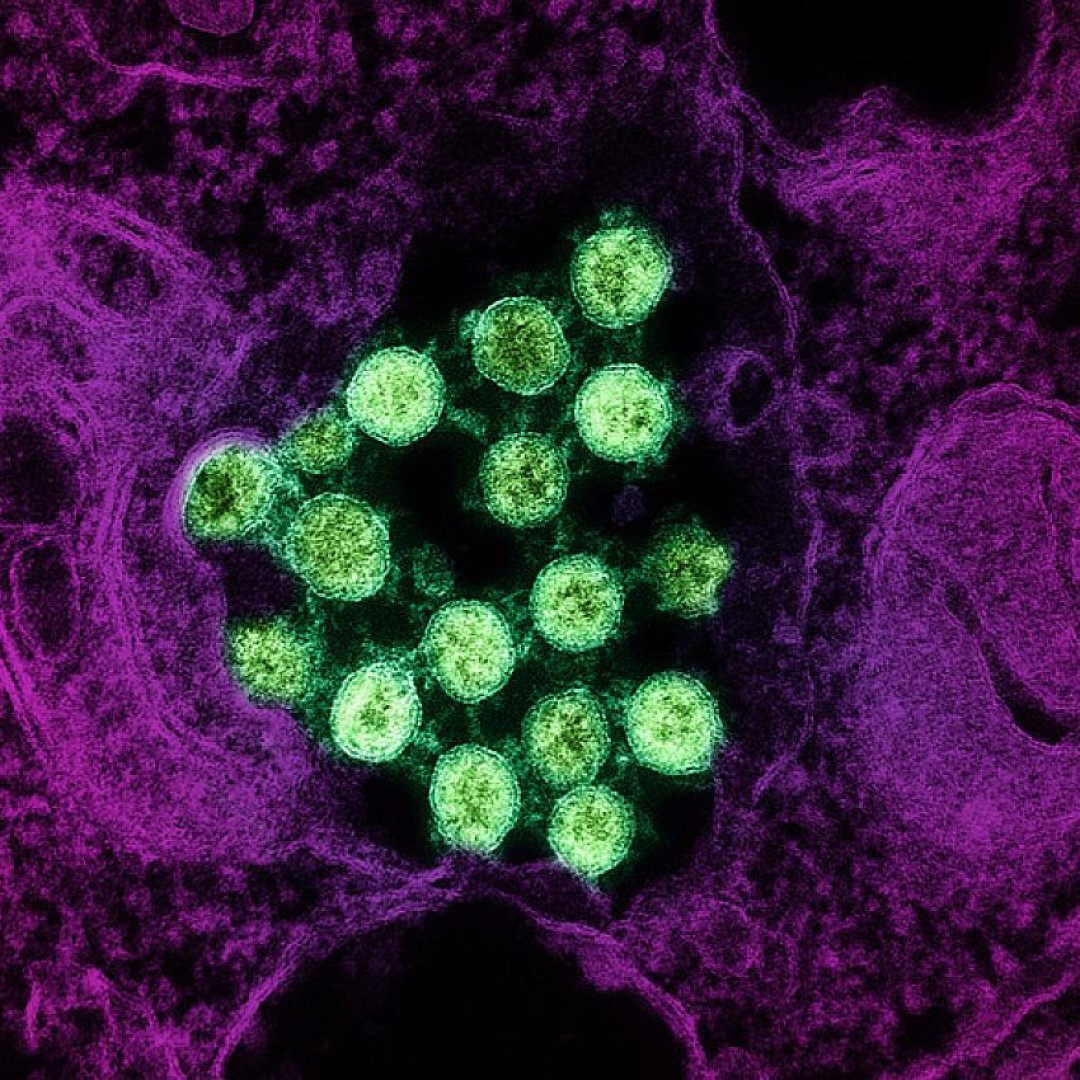
Brilacidin exhibited potent in vitro antiviral activity against SARS-CoV-2
On Nov. 1, 2020, scientists announced that increasing evidence shows that both natural and synthetic antimicrobial peptides (AMPs), also referred to as Host Defense Proteins/Peptides (HDPs), can inhibit SARS-CoV-2, paving the way for the potential clinical use of these molecules as therapeutic options.
The global COVID-19 pandemic resulting from infection by SARS-CoV-2, the novel coronavirus, has resulted in more than 1.16 million deaths worldwide, including 8.7 million cases and over 226,000 fatalities in the United States. Additional data indicate there is a significant underreporting of deaths. Moreover, the U.S. Congressional Budget Office estimates the pandemic will cost the U.S. economy nearly $8 trillion through 2030, with recent analysis estimating aggregate economic losses due to COVID-19 may be as high as $16 trillion.
Approximately 15 percent of COVID-19 patients will develop lung injury, including severe respiratory distress that can progress to Acute Respiratory Distress Syndrome (ARDS), often requiring prolonged ventilator support and leading to death. Intensive care units, hospitals and health care systems risk becoming overwhelmed by critically ill COVID-19 patients. COVID-19 itself is characterized by a heightened inflammatory component, with several pro-inflammatory cytokines, such as TNF-α, IL-1β, and IL-6, strongly upregulated in infected individuals. The prevalence of secondary bacterial infections, which can occur in up to 20 percent of cases among hospitalized patients, reinforces the need for a multi-pronged treatment approach that can address the complexities of COVID-19.
To date, no vaccines have been approved to prevent SARS-CoV-2 infection, alongside few modestly effective therapies to treat COVID-19, with remdesivir the only FDA-approved treatment. Therapies are predominately being developed to treat acute viral infections in hospital settings versus being evaluated for their prophylactic potential. It is likely multiple interventional strategies will be required to prevent and treat COVID-19, with SARS-CoV-2 possibly becoming an endemic viral infection. Drugs shown to exhibit broad spectrum antiviral activity might help address COVID-19 and potential future viral pandemics.
Clearly, an effective COVID-19 therapeutic (or therapeutics in combination) ideally would control both viral load and the corresponding inflammatory damage due to SARS-CoV-2, and mitigate bacterial co-infections. Exhibiting three-in-one properties—antiviral, immuno/anti-inflammatory, and antibacterial—brilacidin is being developed for the intravenous treatment of COVID-19 in hospitalized patients and may be able to address different disease parameters within the one therapeutic treatment.
Brilacidin has been successfully tested in 8 clinical trials across multiple indications providing established safety and efficacy data on over 460 subjects. The drug has exhibited potent antibacterial activity in a Phase 2b trial in Acute Bacterial Skin and Skin Structure Infections (ABSSSI) and anti-inflammatory activity, as supported in Phase 2 clinical trials in Ulcerative Proctitis/Ulcerative Proctosigmoiditis and Oral Mucositis (see Supplemental Information). Brilacidin, through modulation of cyclic adenosine monophosphate (cAMP)/cyclic guanosine monophosphate (cGMP) pathway, is postulated to regulate the immune response based largely on its observed inhibition of phosphodiesterases (PDE4 and PDE3). Interestingly, numerous PDE inhibitors have been proposed as potentially promising anti-SARS-CoV-2 treatments by suppressing the heightened inflammatory response.
Additional formulation work is planned for the inhaled delivery of brilacidin for prophylactic use, toward controlling infection in the nasal passage and lungs by leveraging brilacidin’s ability to inhibit SARS-CoV-2 by disrupting viral integrity and impacting viral entry. Such development efforts, if successful, may enable brilacidin to emerge as a particularly effective and differentiated antiviral by preventing and/or decreasing early infectivity due to SARS-CoV-2.
Tags:
Source: bioRxiv
Credit: