Clinical trials of monoclonal antibodies to prevent COVID-19 began enrollment
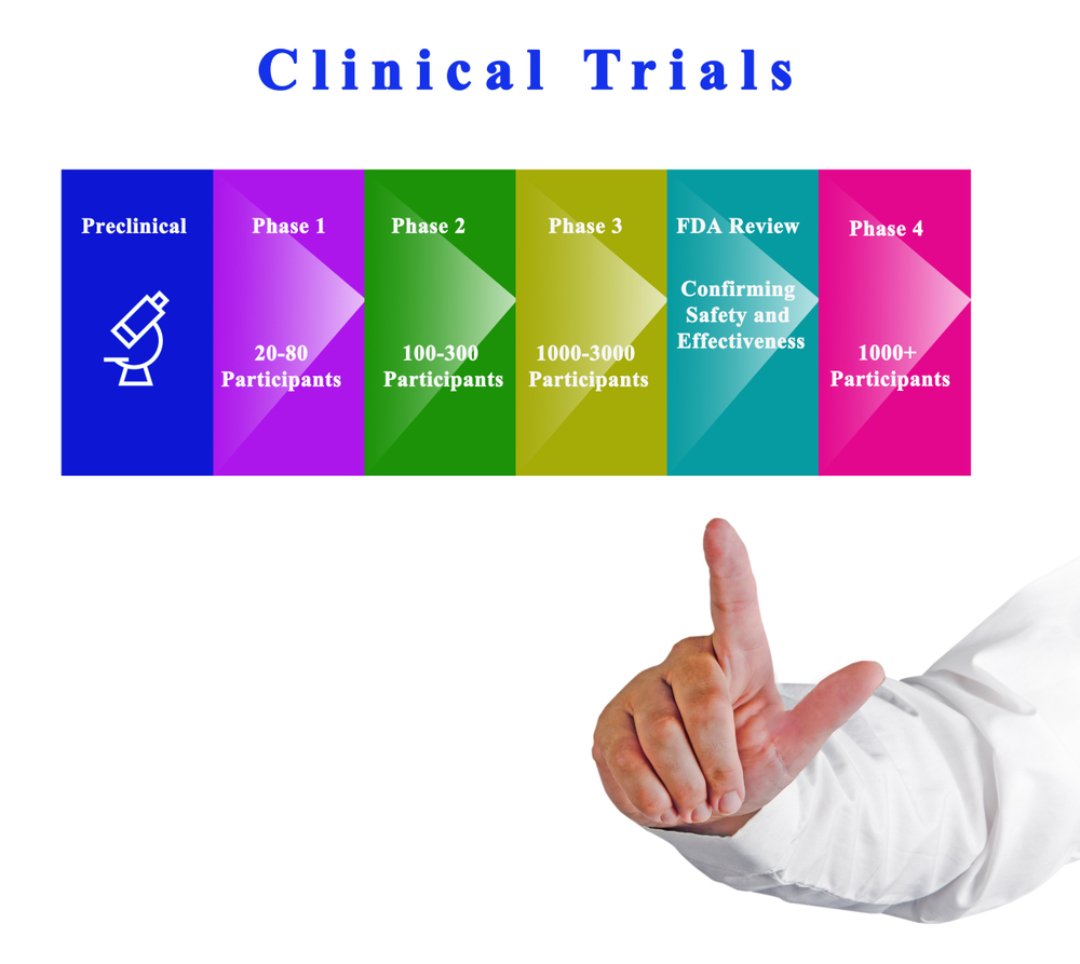
On Aug. 10, 2020, two Phase 3, randomized, placebo-controlled, double-blind clinical trials testing whether experimental monoclonal antibodies (mAbs) can prevent infection by SARS-CoV-2 coronavirus began enrollment of healthy adults at clinical trial sites in the U.S. The trials are enrolling adults who are at risk of infection due to close contact at work or home to persons with SARS-CoV-2 infection.
Monoclonal antibodies are laboratory-made versions of proteins naturally produced by the immune system in response to invading viruses or other pathogens. Neutralizing antibodies, whether natural or monoclonal, can bind directly to portions of viruses that they use to attach to and enter cells, preventing them from initiating the infection cycle. Monoclonal antibodies may provide short-term protection from SARS-CoV-2 and could serve as important components of the COVID-19 pandemic response until vaccines become available.
One trial is being conducted jointly by NIAID and trial sponsor Regeneron Pharmaceuticals of Tarrytown, New York. It will evaluate Regeneron’s investigational double mAb combination, REGN-COV-2, which is designed to bind to two points on the SARS-CoV-2 spike protein and prevent it from entering healthy cells. The trial will enroll approximately 2,000 asymptomatic adults who are household contacts of persons with SARS-CoV-2 infection. Participants must have been in close contact (typically due to residing at the same address) with the infected person in a 96-hour window preceding administration of either REGN-CoV-2 or placebo. In addition to assessing safety, the trial will seek to define whether REGN-COV-2 can prevent infection or disease symptoms in those already infected. The efficacy assessment will be a one-month period following administration of REGN-COV-2 or placebo. All trial participants will be followed for safety for seven months after efficacy assessment period ends.
A second trial, sponsored by Eli Lilly and Company of Indianapolis, Indiana, and implemented in collaboration with NIAID, will evaluate LY-CoV555, a mAb isolated from a recovered COVID-19 patient by scientists at AbCellera (Vancouver, British Columbia, Canada) and the NIAID Vaccine Research Center, and developed by Eli Lilly and Company. This trial will assess whether LY-CoV555 can prevent SARS-CoV-2 infection among people at high risk of exposure due to residing or working in skilled nursing or assisted living facilities. Within one week of identification of a case of SARS-CoV-2 infection at a facility, study investigators will enroll trial volunteers and evaluate the prevention efficacy and safety of LY-CoV555, compared to placebo, over an 8-week period.
The trial will also evaluate efficacy in preventing symptoms of a given severity in those already infected. Participants will continue to be followed for safety for an additional 16 weeks. Up to 2,400 participants will be randomized to receive intravenous infusion of either LY-CoV555 or placebo.
Tags:
Source: National Institutes of Health
Credit: