NIH delivered new COVID-19 testing technologies to meet US demand
On Jul. 31, 2020, the National Institutes of Health (NIH) announced that it had invested $248.7 million in new technologies to address challenges associated with COVID-19 testing (which detects SARS-CoV-2 coronavirus). NIHメs Rapid Acceleration of Diagnostics (RADx) initiative has awarded contracts to seven biomedical diagnostic companies to support a range of new lab-based and point-of-care tests that could significantly increase the number, type and availability of tests by millions per week as early as September 2020. With national demand estimated to be millions more tests per day above current levels, these technologies are expected to make a significant contribution to expanding the nation’s testing capacity.
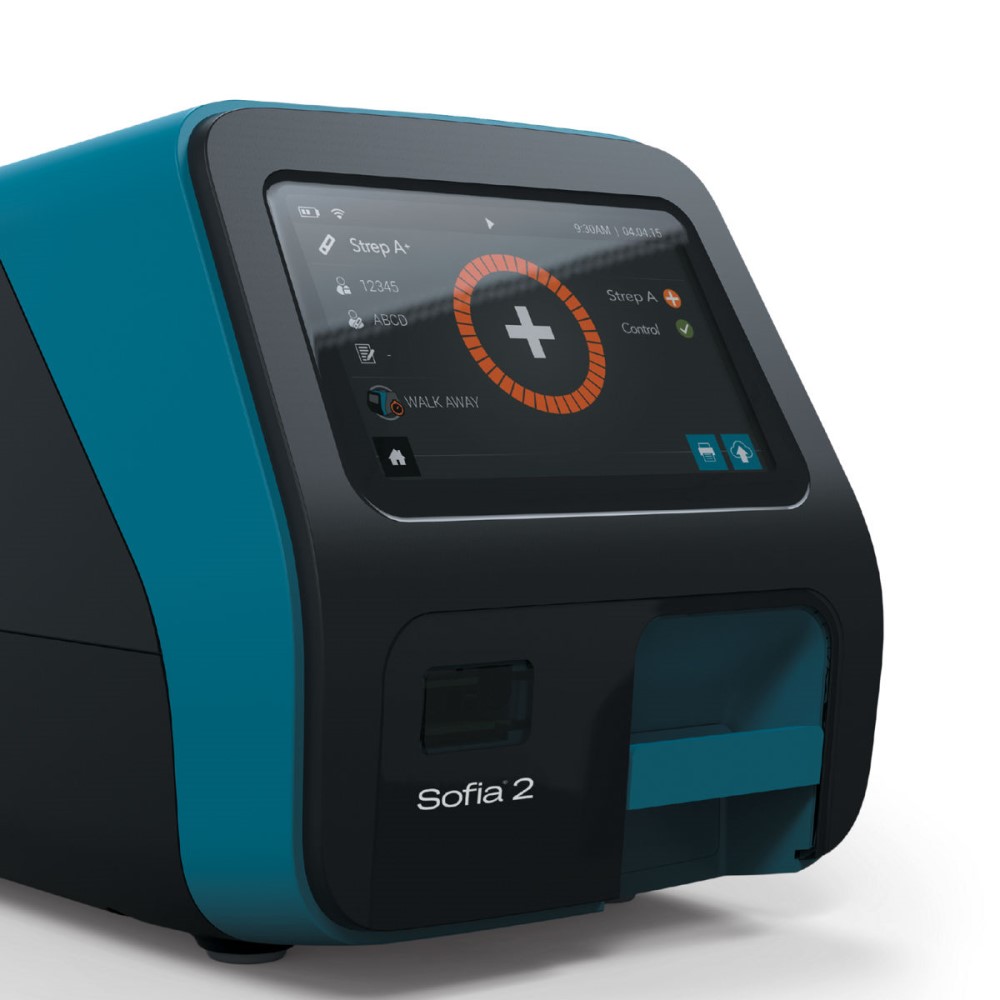
The seven technologies use different methods and formats and can be performed in a variety of settings to meet diverse needs. Four of the technologies introduce innovations in laboratory-based testing technologies including next generation sequencing, CRISPR and integrated microfluidic chips that could dramatically increase testing capacity and throughput while reducing the time to receive test results. Three technologies use platforms to provide nucleic acid and viral antigen tests that can give rapid results at the point of care, such as offices, manufacturing facilities, childcare centers, nursing homes and schools. Additionally, some of the tests offer more convenient sampling, such as saliva testing. The companies range in scope from small start-ups to large publicly held organizations. The U.S. Food and Drug Administration has been working with NIH and RADx external advisors to provide general advice on test validation and is prioritizing the review of emergency use authorization (EUA) for tests supported by RADx. The companies awarded today have either received EUA from the FDA for their COVID-19 test or have applications in process.
NIH launched RADx on April 29, 2020, just days after receiving an emergency supplemental appropriation of $1.5 billion from Congress to support innovative technologies to make millions of rapid COVID-19 tests per week available to Americans by the fall. At that time, Dr. Collins issued a nationwide call to science and engineering’s most innovative minds. An overwhelming response ensued, culminating in more than 650 applications to date.
Hundreds of experts from government, academia and industry, including the National Institute of Biomedical Imaging and Bioengineering’s (NIBIB) Point-of-Care Technology Research Network (POCTRN), are contributing to the RADx process by evaluating applications, providing core technical and clinical resources and guiding project teams. NIH selected approximately 100 of the best concepts to enter an intense one-week “shark-tank” technology evaluation process.
Thirty-one of these projects made the cut and moved to Phase 1, a rigorous four to six-week period of initial technology validation. The seven tests announced today are the first to be chosen for scale up, manufacturing and delivery to the marketplace through RADx. More than 20 companies remain actively engaged in meeting Phase 1 milestones and will be considered for Phase 2 awards in the coming weeks. In addition, dozens of promising concepts continue to move through the RADx “innovation funnel” and may be selected for Phase 1 and/or Phase 2 funding.
Tags:
Source: National Institutes of Health
Credit: