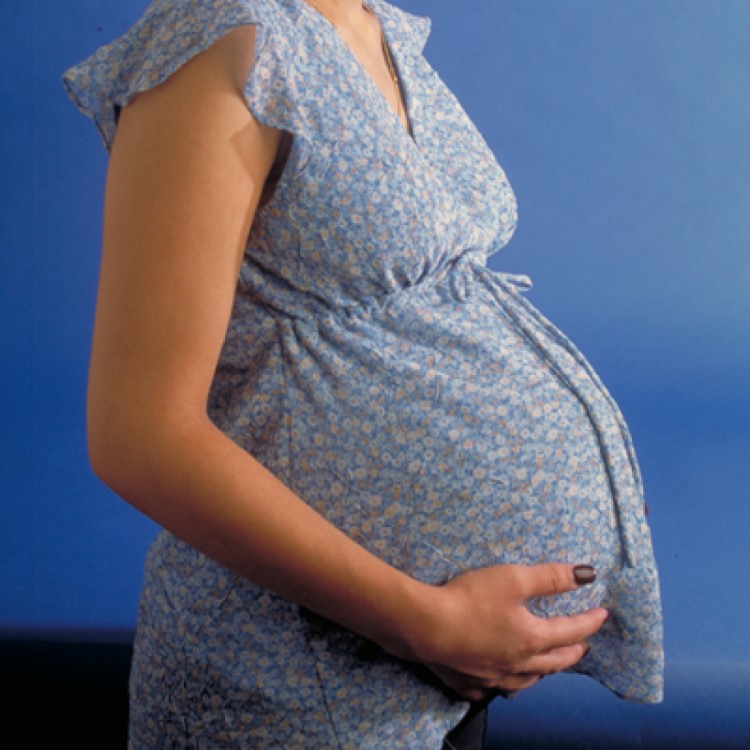
Large Study at Mount Sinai Investigated the Effects of COVID-19 on Pregnancy Outcomes
On Jun. 18, 2020, a multidisciplinary team at Mount Sinai is conducting the first large-scale prospective study to examine the impact of COVID-19 infection, and the immune response, during pregnancy on maternal and child outcomes. The study, known by the team as “Generation C,” was funded by a $1.8 million contract from the Centers for Disease Control and Prevention and was expected to be conducted through May 2022.
The study had an important public health mission—informing clinicians and patients about trimester-specific risks associated with contracting SARS-CoV-2, the virus that causes COVID-19, during pregnancy. The Mount Sinai team also examined the extent to which COVID-19 disproportionately impacts pregnant women from underserved communities, and how stress may mediate the effects of COVID-19.
The research team studied a cohort of 3,000 pregnant women at The Mount Sinai Hospital and Mount Sinai West, with more than 2,500 enrolled as of May 2021. “For the women involved, this is really a simple study,” Dr. Bergink said. “It’s basically only giving an extra tube of blood.”
Researchers examined plasma samples drawn as part of routine care at each trimester of pregnancy in all pregnant women at the two hospitals. Samples were tested for the immunoglobulin M and immunoglobulin G antibodies to SARS-CoV-2 at each trimester of pregnancy and at delivery. The hypothesis is that the level of inflammatory host response to SARS-CoV-2 exposure is related to the impact of the infection on maternal and child outcomes, and that timing is crucial.
The study examined the subjects’ electronic medical records, obtaining data on obstetric complications, miscarriage, premature rupture of membranes, delivery type, maternal ICU admissions, acute respiratory distress syndromes, sepsis, and maternal death. In addition, the team is extracting data on fetal growth and neonatal outcomes, including birth weight, preterm birth, neonatal morbidities, neonatal intensive care admissions, congenital malformations, and fetal and neonatal death.
Tags:
Source: Mount Sinai
Credit: