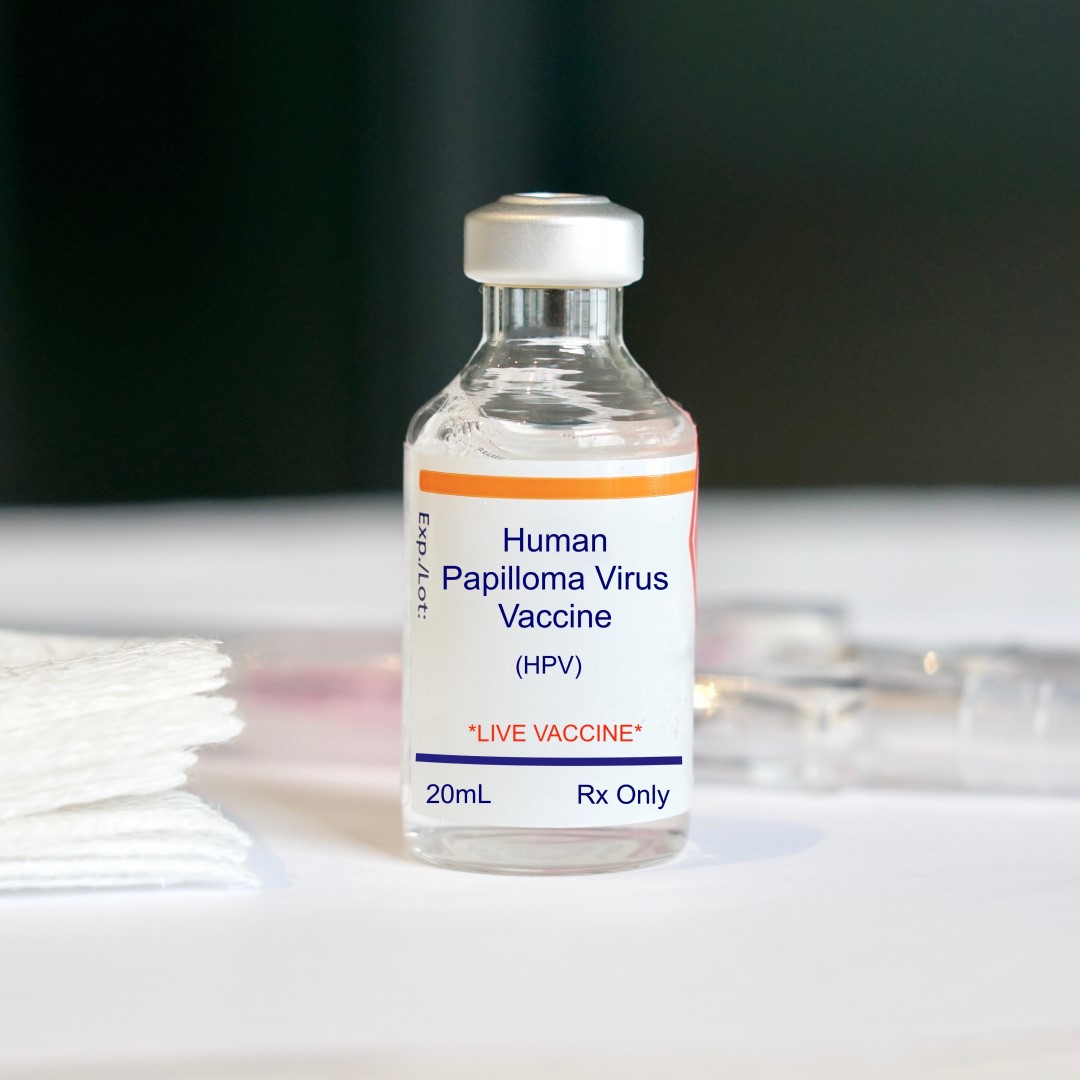
HPV vaccine manufacturers commited to provide enough supply to immunise at least 84 million girls in Gavi countries
On Jun. 3, 2020, vaccine manufacturers MSD, GSK, Innovax, Serum Institute of India (SII) and Walvax have pledged to ramp up human papillomavirus (HPV) vaccine supply availability for Gavi-supported countries, ahead of tomorrow’s Global Vaccine Summit 2020.
This commitment is part of an ongoing UNICEF-led tender that aims to enable Gavi to dramatically increase its reach from 50 million girls, as initially planned, to 84 million girls during the next five-year period, leading to the prevention of an estimated 1.4 million future deaths from cervical cancer.
Gavi’s initial target to vaccinate 40 million girls between 2016 and 2020 was reduced to 14 million due to increasing global demand for, and limited supply of, HPV vaccine. For its 2021–2025 period, Gavi had initially forecasted that only 50 million girls would have access to the vaccine (out of the 84 million girls who could have been reached with unconstrained supply).
Currently, only two manufacturers, MSD and GSK, produce WHO-prequalified HPV vaccines. Several others are developing HPV vaccines – including Innovax (whose vaccine is currently under review for WHO prequalification), as well as Serum Institute of India and Walvax. UNICEF issued a tender in December 2019 for additional supply of quality-assured, WHO-prequalified vaccines to Gavi-supported countries and Gavi-transitioned countries for 2021 and beyond.
Cervical cancer is the second-most common form of cancer in women living in less-developed regions. Eighty-five percent of global cervical cancer cases occur in low-income countries (LICs) and middle-income countries (MICs), with sub-Saharan Africa and Asia accounting for the highest incidence rates. To date, Gavi has helped 30 countries introduce HPV vaccine demonstration programmes, and 191 have successfully introduced the vaccine nationally. Five of them, Malawi, Tanzania, Uganda, Zimbabwe and Zambia, carry among the 10 highest cervical cancer burdens in the world.
Tags:
Source: GAVI
Credit: