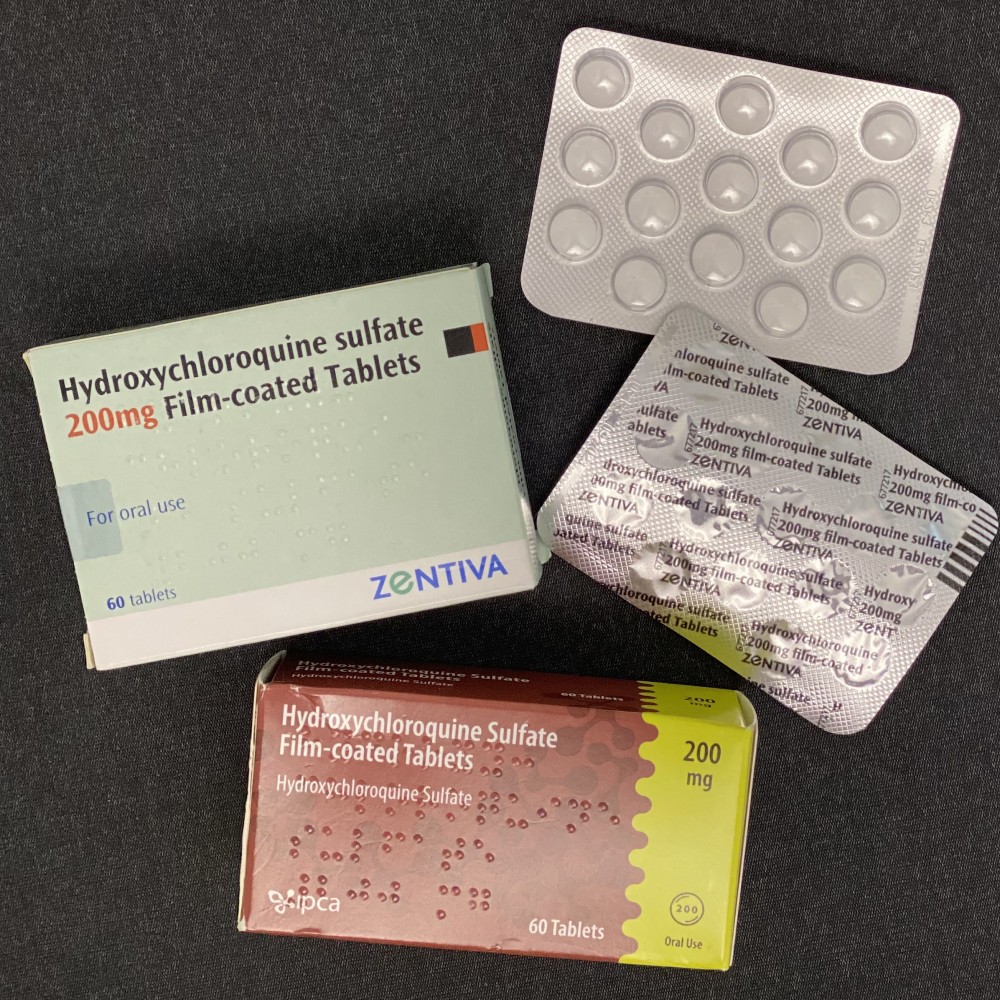
NIH began clinical trial of hydroxychloroquine as potential therapy for COVID-19
On Apr. 9, 2020, the first participants were enrolled in the trial at Vanderbilt University Medical Center, Nashville, one of dozens of centers in the PETAL Network. The Outcomes Related to COVID-19 treated with hydroxychloroquine among In-patients with symptomatic Disease study, or ORCHID Study, is being conducted by the Prevention and Early Treatment of Acute Lung Injury (PETAL) Clinical Trials Network of the National Heart, Lung, and Blood Institute (NHLBI), part of the National Institutes of Health.
The first participants have enrolled in the trial at Vanderbilt University Medical Center, Nashville, one of dozens of centers in the PETAL Network. The blinded, placebo-controlled randomized clinical trial aims to enroll more than 500 adults who are currently hospitalized with COVID-19 or in an emergency department with anticipated hospitalization. All participants in the study will continue to receive clinical care as indicated for their condition. Those randomized to the experimental intervention will also receive hydroxychloroquine.
While COVID-19 usually presents as an acute respiratory infectious illness, it can damage multiple organ systems, including heart, lung, and blood. Most adults with COVID-19 experience fever, cough, and fatigue and then recover within one to three weeks. However, some develop severe illness, typically manifesting as pneumonia and respiratory failure, with continued progression to acute respiratory distress syndrome and death. Currently, no therapies have been demonstrated to prevent the progression of COVID-19 to severe illness, but several medicines available in the United States have been proposed as potential therapies.
Hydroxychloroquine is used to treat malaria and rheumatoid conditions such as arthritis. In various studies, the drug has demonstrated antiviral activity, an ability to modify the activity of the immune system, and has an established safety profile at appropriate doses, leading to the hypothesis that it may also be useful in the treatment of COVID-19. The drug is not without risks as even short term use can cause cardiac arrythmias, seizures, dermatological reactions, and hypoglycemia.
ORCHID participants will be randomly assigned to receive hydroxychloroquine 400 mg twice daily for two doses (day one), then 200 mg twice daily for the subsequent eight doses (days two to five) or a placebo twice daily for five days.
Tags:
Source: National Institutes of Health
Credit: